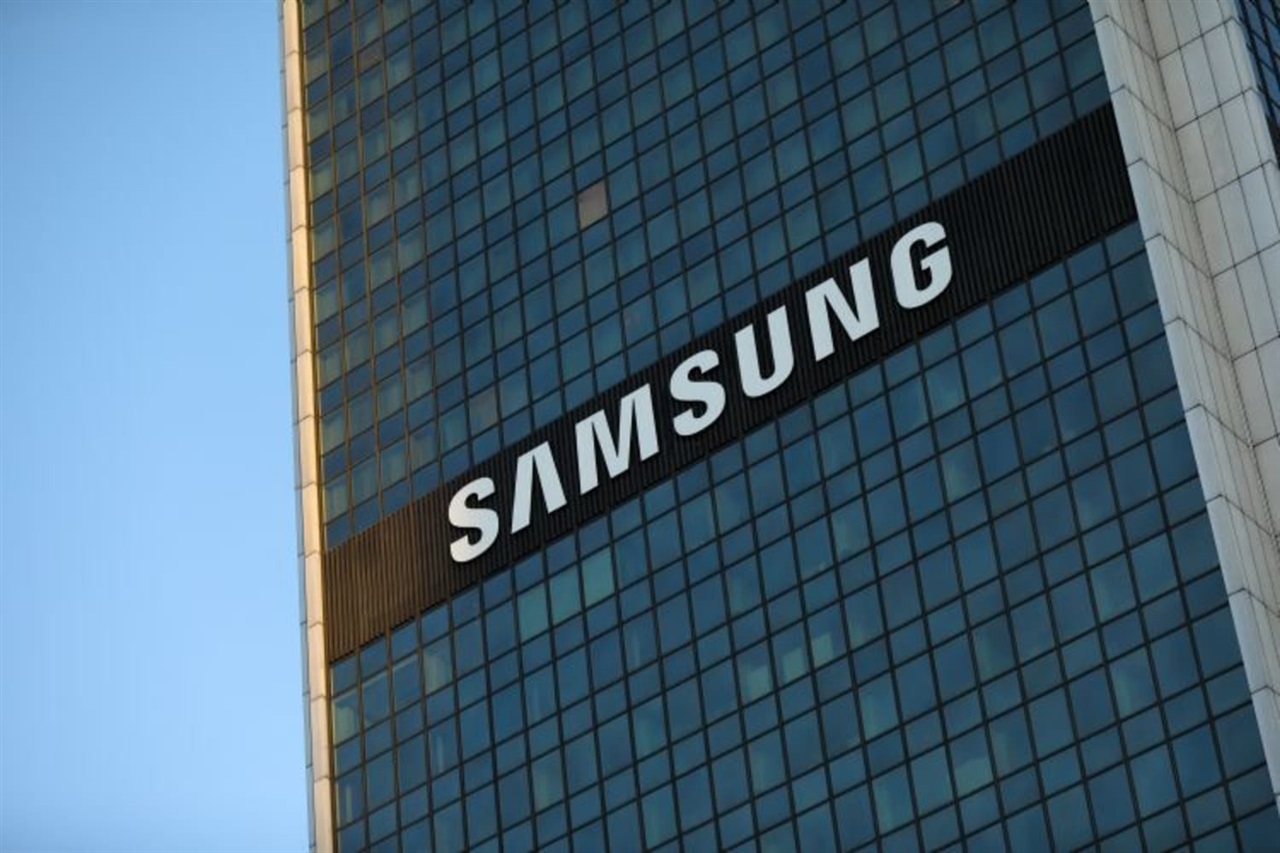
The scramble for HBM4 designers marks a structural shift in what memory companies actually are. High-bandwidth memory now demands base-die logic, advanced packaging, and near-processing architectures that look far more like ASIC design than commodity DRAM. When Samsung and SK Hynix pull senior engineers away from domestic fabless firms and design houses, they are not just filling seats — they are signaling that the value in memory has migrated from process yield to design differentiation. That reframes the competitive question for the entire supply chain: whoever controls scarce logic-design talent controls the roadmap for AI accelerators, because HBM is now the throughput bottleneck for training clusters.
Globally, this concentrates risk. A talent pool this thin, sitting inside two rivals with tightening non-compete and movement restrictions, means innovation velocity is hostage to a small number of teams. For Nvidia, AMD, and the hyperscalers designing custom silicon, HBM4 co-design becomes a dependency they cannot fully control. Expect more captive engineering arrangements, joint design centers, and premium contracts that lock in memory-logic collaboration years ahead of shipment. The fabless firms losing people, meanwhile, face a quiet hollowing-out that weakens the broader ecosystem even as the two giants win.
For Japan, this is both a warning and an opening. Kioxia and the wider Japanese memory and materials base have long competed on manufacturing and materials excellence, not on advanced logic design — and that is precisely the capability HBM4 now rewards. Japan's semiconductor revival, from Rapidus to the packaging and substrate suppliers around JASM, will only pay off if it can develop and retain design and advanced-packaging engineers rather than ceding that layer to Korea and Taiwan. The Korean talent squeeze suggests Japan should treat design-engineering pipelines, not just fab capacity, as the strategic constraint.
Japanese equipment, materials, and packaging players (think advanced substrates, bonding, and test) stand to benefit as HBM4 complexity raises the value of their inputs — but they must move upstream into co-design conversations rather than staying order-takers. For domestic enterprises and the SIer ecosystem, the second-order effect matters more: AI infrastructure costs will be shaped by HBM supply, and any bottleneck in memory design capacity flows straight through to GPU availability and cloud pricing that Japanese firms depend on. Planning AI budgets on the assumption of smooth accelerator supply is now a mistake; the constraint has moved to a room full of memory designers in Korea.