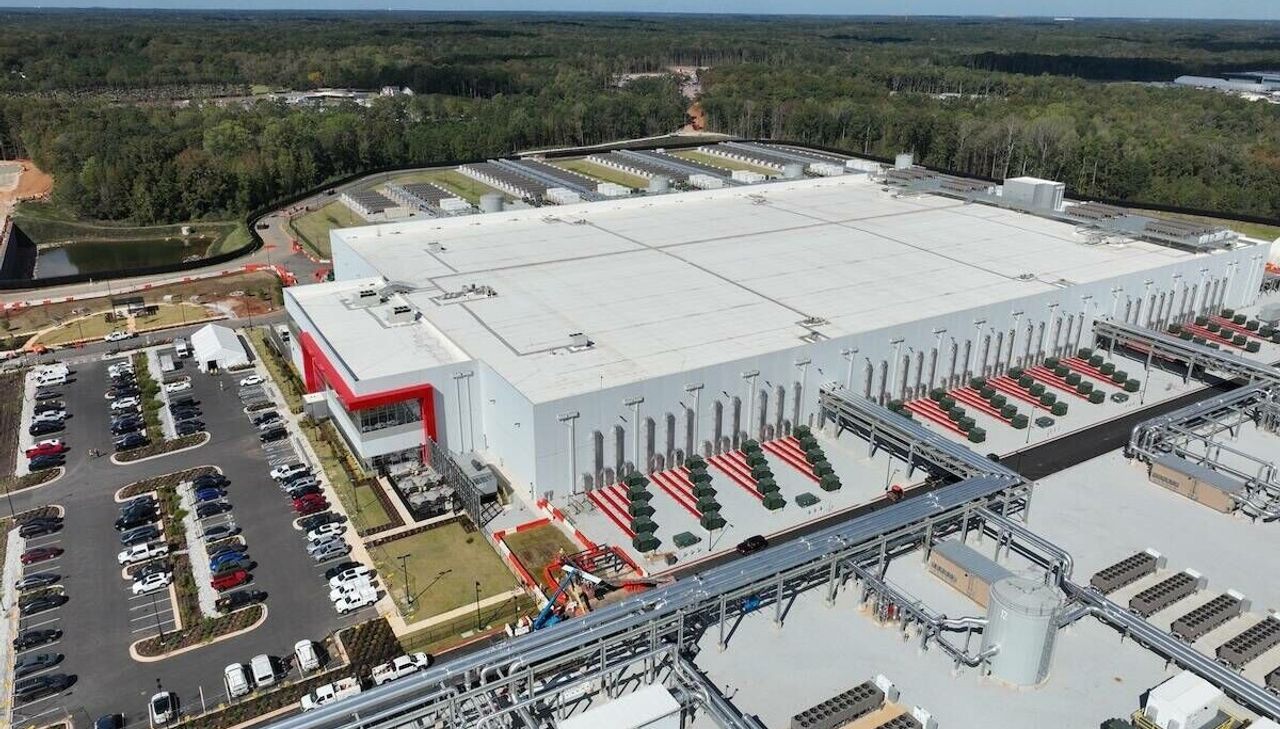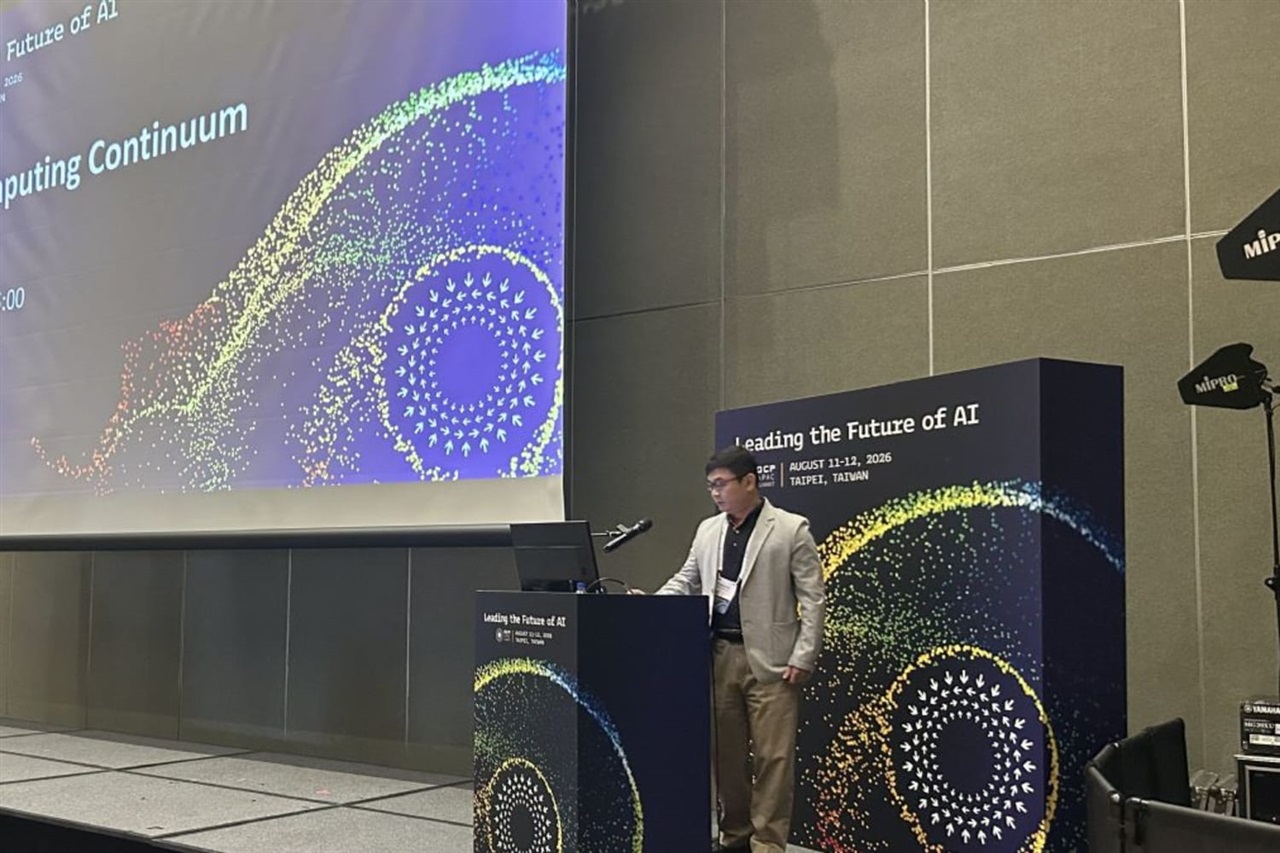
Edgecore Networks used the 2026 OCP APAC Summit to argue that single-campus AI data centers are hitting hard ceilings on power, space, and cooling, and to propose an all-optical fabric linking GPUs, servers, and storage across multiple sites and regions.
The strategic signal matters more than the product. For two years the industry assumed the answer to compute demand was bigger buildings on bigger substations. That model is breaking. Utilities in the US and Europe are quoting multi-year interconnection queues, and the largest training clusters already exceed what a single site can reliably power. Distributing a workload across sites only works if the network between them behaves like a backplane rather than a WAN—hence the push to move optical transport deeper into the fabric, collapsing electrical-to-optical conversion steps that waste power and add latency. If this direction holds, the competitive frontier shifts from who can pour the most concrete to who can stitch dispersed capacity into one coherent pool. That reweights value toward optical components, coherent transceivers, and the switching layer, and pressures incumbents whose margins depend on copper-heavy in-rack designs.
The risk is that 'distributed' becomes a marketing label for latency-sensitive workloads that still can't tolerate inter-site hops. Training tolerates it; low-latency inference and tightly-coupled parallelism often do not. Buyers should treat multi-site claims as workload-specific, not universal.
For Japan, this thesis lands on unusually fertile ground. The country's structural constraints—expensive power, scarce large parcels near demand centers, and grid bottlenecks outside a few regions—are exactly the pain points a distributed, optically-linked architecture targets. It also aligns with the domestic bet on photonic networking already underway through NTT's IOWN program, giving Japanese operators a credible reason to lead rather than follow. For SIers, the opportunity is real but demands new muscle: designing and operating geographically split AI estates requires optical transport expertise, cross-site orchestration, and failure-domain planning that most enterprise integration practices have never needed. The firms that build genuine optical and distributed-systems capability can move up the value chain; those that stay in rack-and-stack integration risk being reduced to installers on someone else's blueprint. Japanese enterprises evaluating AI buildouts should press vendors on which workloads actually survive the site boundary before committing to a distributed design.