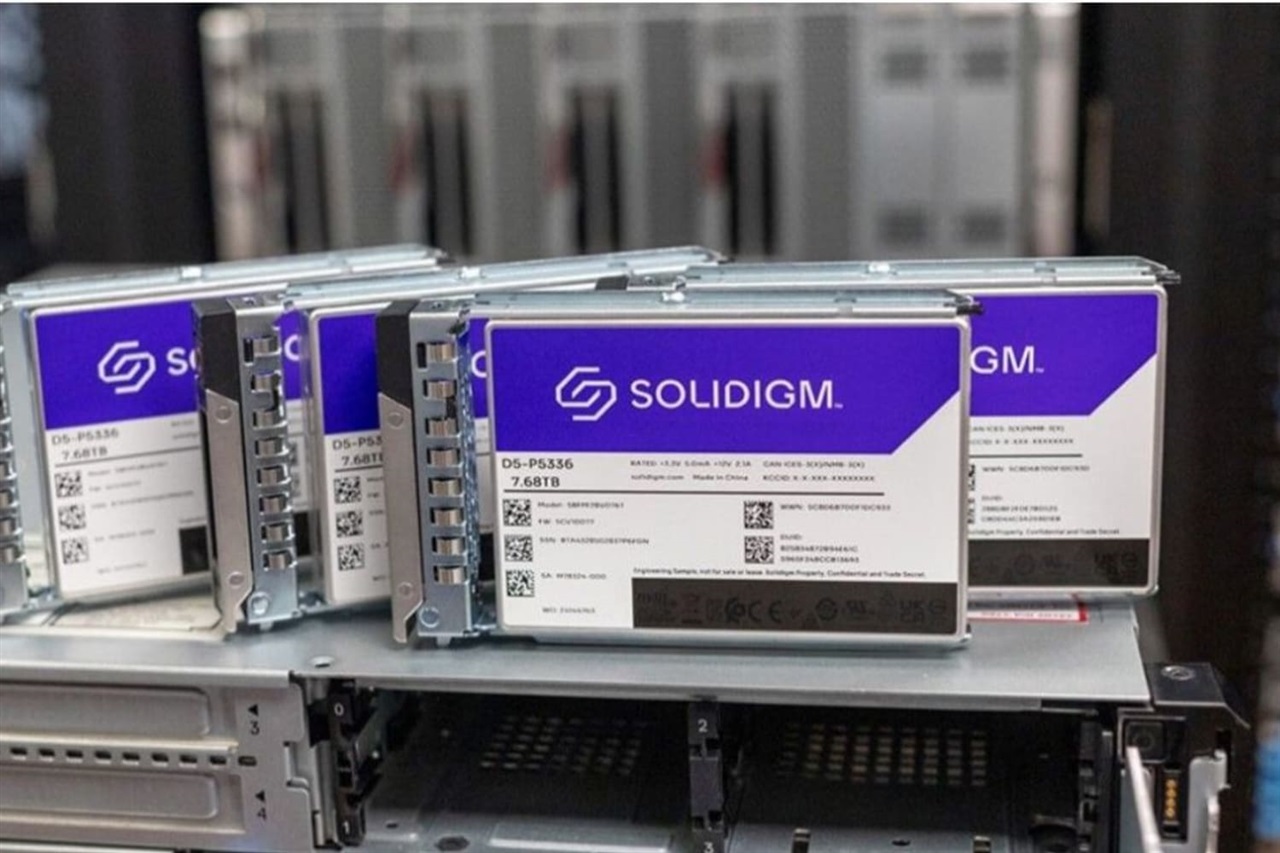
A single warranty dispute over an SSD refund looks trivial, but it exposes a structural fault line in how the industry handles hardware guarantees during a supply crunch. When a maker refunds the original purchase price instead of replacing a failed unit, the buyer is left holding a devalued voucher in a market where equivalent capacity now costs far more. The warranty clause, drafted for an era of steadily falling NAND prices, quietly transfers scarcity risk from manufacturer to customer.
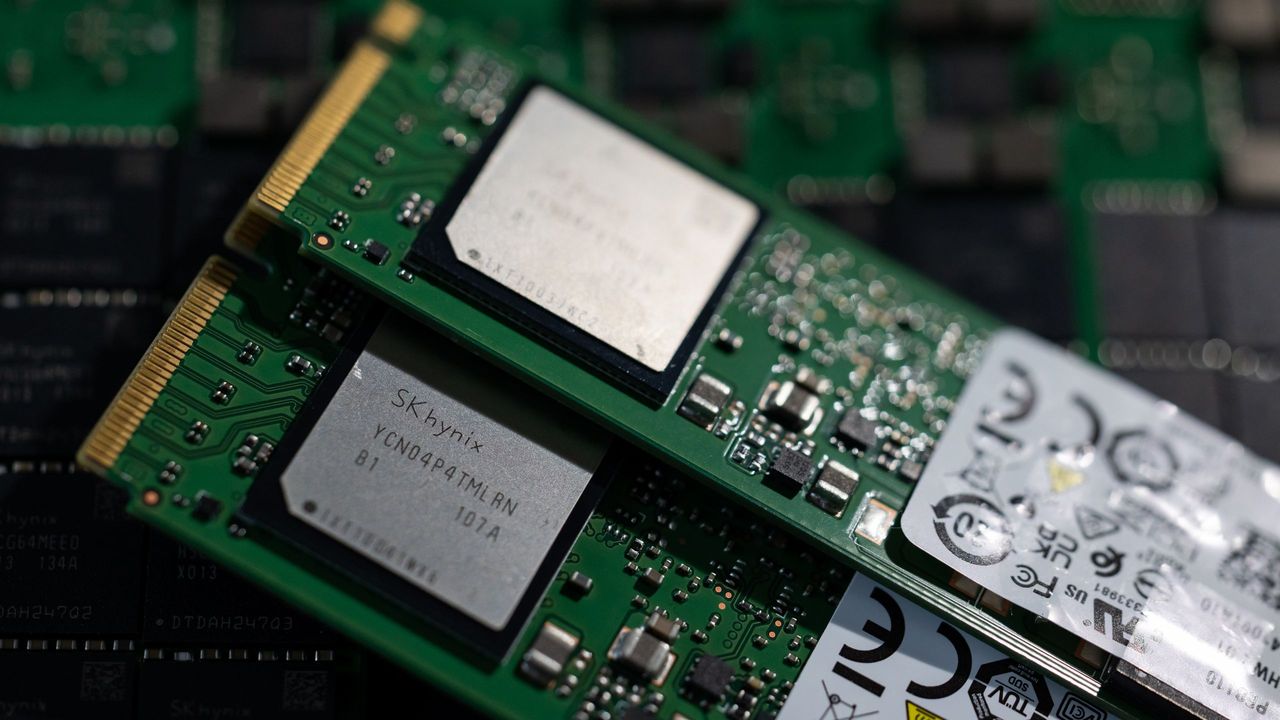
The global implication is that storage is no longer a deflationary commodity that buyers can assume will always be cheaper next quarter. As memory suppliers prioritize high-margin allocations for AI datacenter demand, consumer and channel inventory thins out, replacement stock dries up, and "cash-out" warranty settlements become the path of least resistance. For hyperscalers and OEMs, the lesson is contractual: replacement-in-kind guarantees and price-protection clauses matter more than headline unit cost. Procurement teams that locked in only nominal warranties are effectively unhedged against a doubling in spot prices.
For Japanese enterprises and SIers, this lands squarely in the middle of hardware refresh and datacenter build cycles. System integrators bundling storage into multi-year managed-service contracts often carry the replacement obligation themselves. If a vendor settles a failed drive at original cost while street prices climb, the SIer absorbs the gap or breaches its own SLA. That margin exposure is rarely modeled in fixed-price integration deals, which remain common in the Japanese market.
The practical response is to renegotiate supplier warranty terms toward like-for-like replacement, build price-escalation buffers into storage line items, and stockpile critical spares ahead of further AI-driven allocation shifts. For local dev and infrastructure teams, it also strengthens the case for capacity planning that treats storage as a constrained, appreciating input rather than an afterthought. The quiet fine print of today becomes the budget overrun of next fiscal year.