Taiwan's July ICT export orders jumped nearly 90% year-over-year on AI server demand, with foundry and memory orders up more than 70%, even as buildouts in advanced economies run into power shortages. The headline number is a demand signal; the more important story is that the supply side is breaking in two places at once.
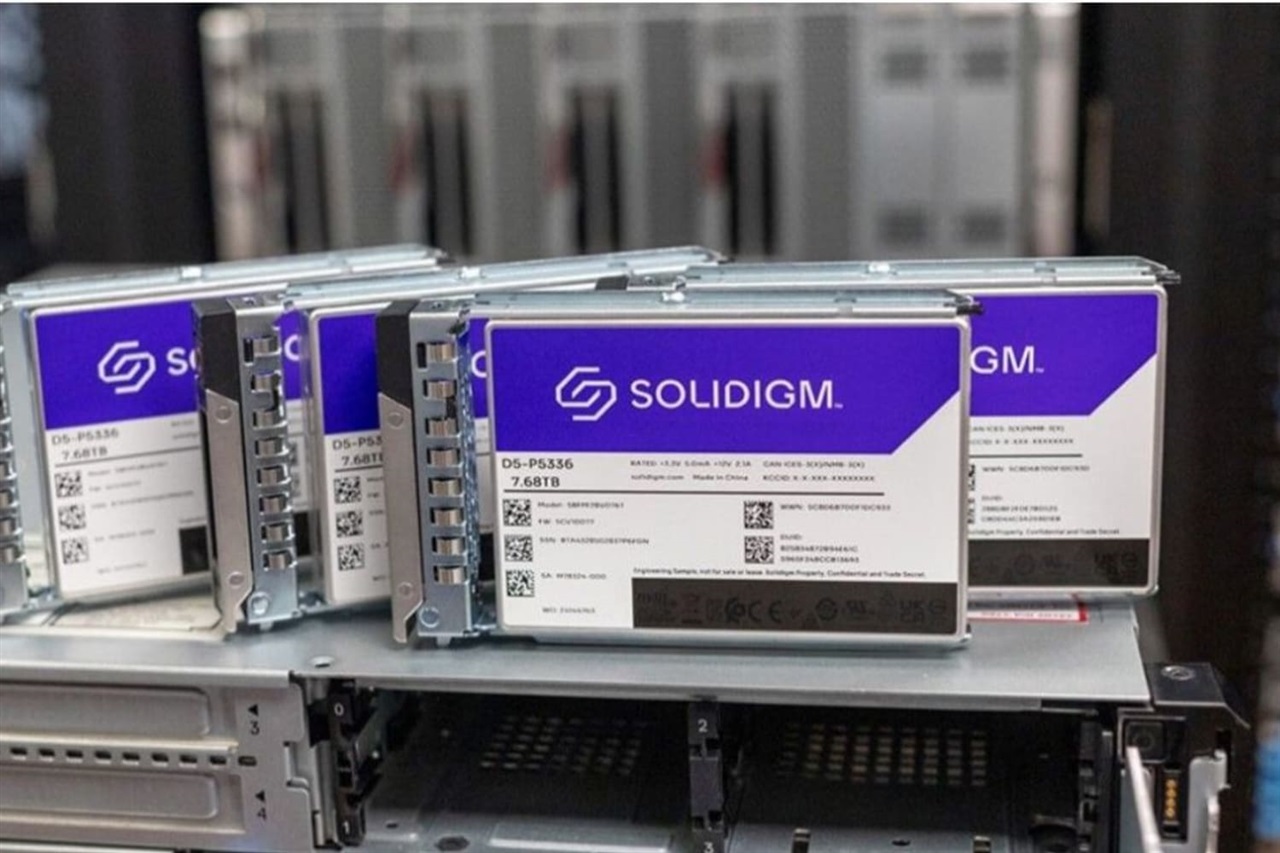
The first fracture is memory. When Amazon reportedly lifts hardware prices by around 60% and points to the DRAM and NAND crunch, that is the Taiwan order book showing up in a consumer and enterprise invoice. HBM and high-density DRAM are being vacuumed up by AI accelerators, starving the commodity memory that ordinary servers, laptops, and edge devices depend on. This is not a spot-price blip—it is a structural reallocation of fab capacity toward AI, and it puts a floor under bill-of-materials costs across the entire device economy for multiple quarters.
The second fracture is power. The same buildout that fills Taiwanese order books cannot be energized fast enough, which is why hyperscalers are now signing nuclear deals rather than negotiating utility contracts. Compute expansion has become an energy-procurement problem, and the winners will be operators who lock in long-term capacity and net-zero credentials early. For everyone else, siting a new AI cluster increasingly means waiting on the grid, not the GPUs.
For Japan, this compounds an already tight position. Japanese enterprises and their SIers budget IT refresh cycles in multi-year server and storage procurement plans; a sustained memory premium and a weak yen turn those plans into margin events, not routine line items. Hardware-heavy integrators should expect clients to defer refreshes, extend depreciation, and push harder toward consumption-based cloud—shifting risk, but not eliminating it, since cloud list prices ultimately reflect the same silicon scarcity.
The practical response for Japanese dev teams and RPA-heavy operations is to treat compute as a scarce, priced resource rather than an assumption. That means right-sizing models, favoring smaller or quantized inference where accuracy allows, and exploiting the frontier price cuts now appearing at the API layer instead of building out owned GPU capacity into a supply squeeze. SIers that can advise on power-aware architecture and total cost of ownership—not just deployment—will differentiate as the bottleneck persists.