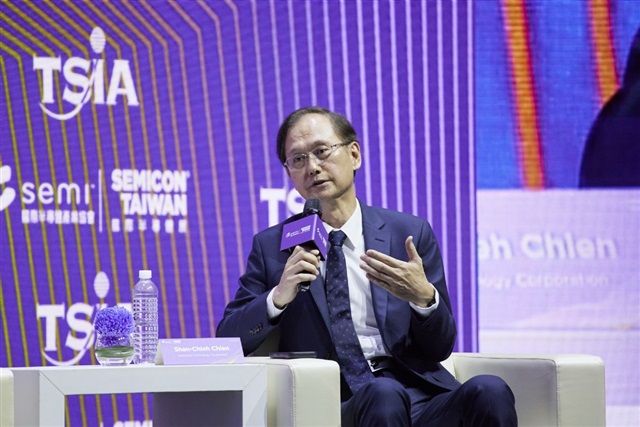
Unimicron chairman SC Chien signaling multi-year capacity support for MediaTek at Semicon Taiwan reframes where the AI hardware bottleneck actually sits. The market fixates on GPUs and HBM, but the constraint is quietly migrating down to the package: high-layer-count ABF substrates that carry advanced logic. When a substrate maker talks in three-to-five year horizons, it is confirming that demand visibility now exceeds the industry's willingness to add capacity on normal cycles.
The global implication is that substrate supply becomes a gating factor for AI accelerator output, not GPU wafers alone. Substrate capacity is capital-intensive, slow to ramp, and dominated by a handful of players. That hands pricing power to incumbents and forces hyperscalers and fabless designers to lock in multi-year allocation deals, mirroring how HBM was pre-committed. For buyers, the risk is asymmetric: a substrate shortfall can strand expensive silicon, so procurement teams will pay premiums for guaranteed slots. Broadcom's softer guidance this week is a useful counterweight, hinting the AI capex cycle may be lumpier than the substrate commitments imply, and that overbuilding into 2029 carries its own downside.
For Japan, this is squarely favorable and strategically significant. Ibiden and Shinko Electric are the reference names in top-tier ABF substrates, the exact segment tightening for AI logic. Sustained shortage strengthens their negotiating position, supports higher-margin mix, and justifies the plant investments both have signaled. The risk is execution and concentration: any yield issue or disaster at a Japanese site now ripples across the entire AI supply chain, making these firms systemically important in a way that invites both customer pre-payment and geopolitical attention.
For Japanese enterprises and SIers, the second-order effect matters more than the component itself. If accelerator supply stays constrained and priced at a premium through 2029, on-premise AI buildouts and GPU-heavy data center projects face longer lead times and volatile costs. SIers advising clients on AI infrastructure should treat hardware availability, not model choice, as the primary planning constraint, favoring cloud consumption and phased rollouts over speculative capacity purchases. Component-level scarcity is becoming a boardroom variable, and the firms that model it into roadmaps now will avoid stranded budgets later.