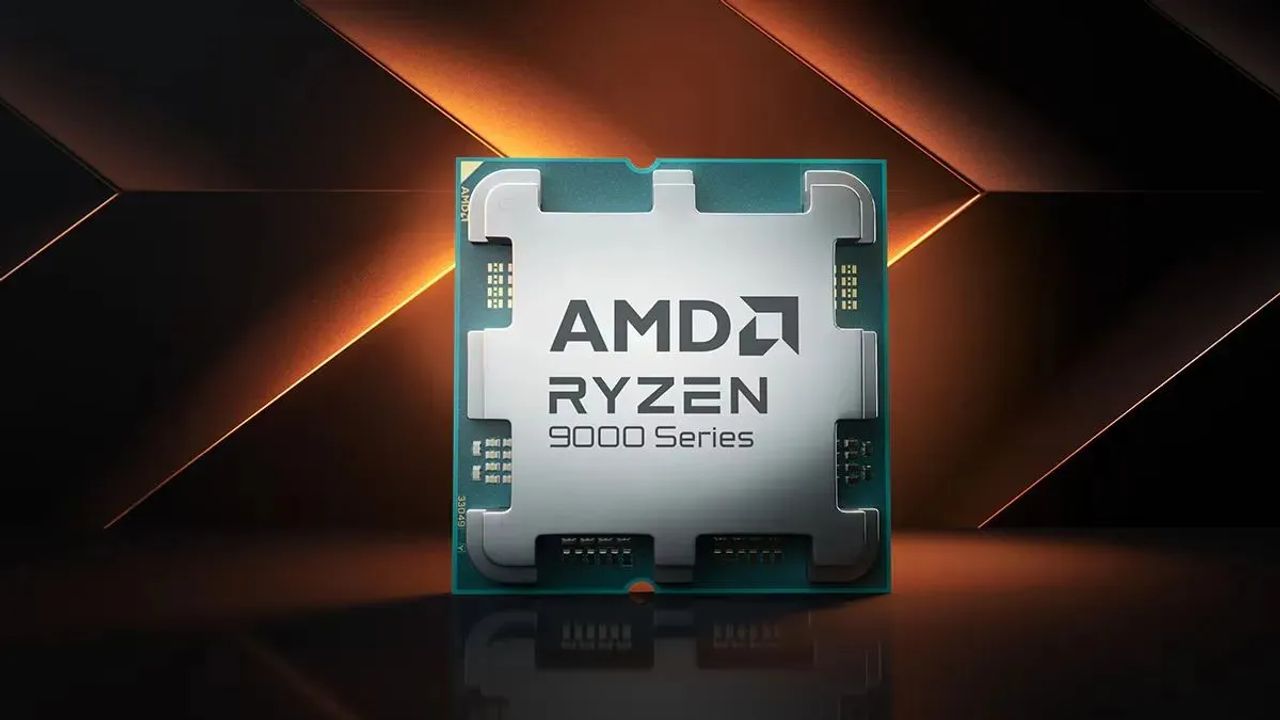
AMD's x86 share crossing 30% (30.3% in Q2, per Mercury Research) is less a single quarter's win than confirmation of a decade-long compounding: Zen's consistent execution against Intel's manufacturing stumbles has finally translated share gains into a durable position. But the more consequential number is Arm at 15% of the total PC CPU market. That figure quietly redefines the battlefield. For thirty years the PC question was Intel versus AMD; it is now x86 versus Arm, with two vendors trading blows inside a category that is itself losing ground.
Globally, this fractures assumptions that underpinned enterprise IT for a generation. Apple Silicon proved Arm's viability at the high end, Qualcomm's Windows-on-Arm push added a second front, and the payoff is battery life and performance-per-watt that x86 struggles to match in thin-and-light form factors. The strategic risk for Intel is compounding: it is defending against a resurgent AMD on its home turf while an entirely different instruction set erodes the perimeter. For software vendors and cloud providers, 15% is the threshold where dual-architecture support stops being optional and becomes a baseline build target.
For Japanese enterprises, this lands on an unusually conservative installed base. Corporate procurement here has historically standardized on Intel-based fleets from domestic and global OEMs, and change-averse IT governance means Arm migration will lag Western adoption by years, not quarters. That gap is itself a planning problem: waiting does not make the transition disappear, it concentrates it into a sharper, costlier cutover later.
SIers and internal dev teams should read the 15% as a signal to begin dual-architecture readiness now. Legacy business applications, custom .NET or Java stacks, and the long tail of RPA scripts built on x86 assumptions all carry silent architecture dependencies. Firms like Fujitsu already understand Arm deeply from HPC work, but that expertise rarely reaches the enterprise desktop and app-modernization practice. The competitive opening for Japanese integrators is to package Arm-compatibility assessment and application remediation as a service before clients feel the pressure.
The near-term forecast: Japan's PC fleets stay overwhelmingly x86 through the next refresh cycle, with AMD gaining at Intel's expense inside that base. The real inflection arrives when Windows-on-Arm hardware and native app coverage mature enough for cautious CIOs to justify the switch. SIers that have quietly built migration capability by then will be the ones who capture the modernization spend.