CCSH Corporation, parent of NAND leader YMTC, has cleared the first gate for a STAR Market listing targeting roughly RMB33 billion (about $4.9 billion), selling 10-12% of its enlarged capital to fund fab upgrades and R&D. Strip away the record-IPO headline and the real signal is strategic: Beijing is routing patient domestic capital into memory precisely as global supply visibly tightens.
The timing is the story. Amazon just raised Echo, Fire TV, and Kindle prices by up to 60%, blaming memory and storage costs — a rare case of upstream DRAM/NAND scarcity surfacing directly in consumer pricing. That environment is a gift to YMTC. A well-capitalized listing lets it push 3D NAND layer counts and expand output while incumbents Samsung, SK Hynix, Micron, and Kioxia manage supply discipline to protect margins. Public-market funding also hardens YMTC against the US Entity List constraints that have throttled its equipment access. The medium-term risk for Western and Korean players is not that YMTC wins the leading edge tomorrow, but that it floods mainstream and legacy NAND tiers, compressing pricing power in the commodity segment where volume lives.
For Japan, the exposure is unusually direct. Kioxia — freshly public and rebuilding its balance sheet — competes head-on with YMTC in NAND, and a state-backed Chinese rival with cheap equity and a captive domestic market pressures exactly the mid-tier products where Kioxia needs pricing stability. Japanese materials and equipment suppliers face a split incentive: near-term order upside from Chinese fab expansion versus long-term customer concentration and export-control whiplash.
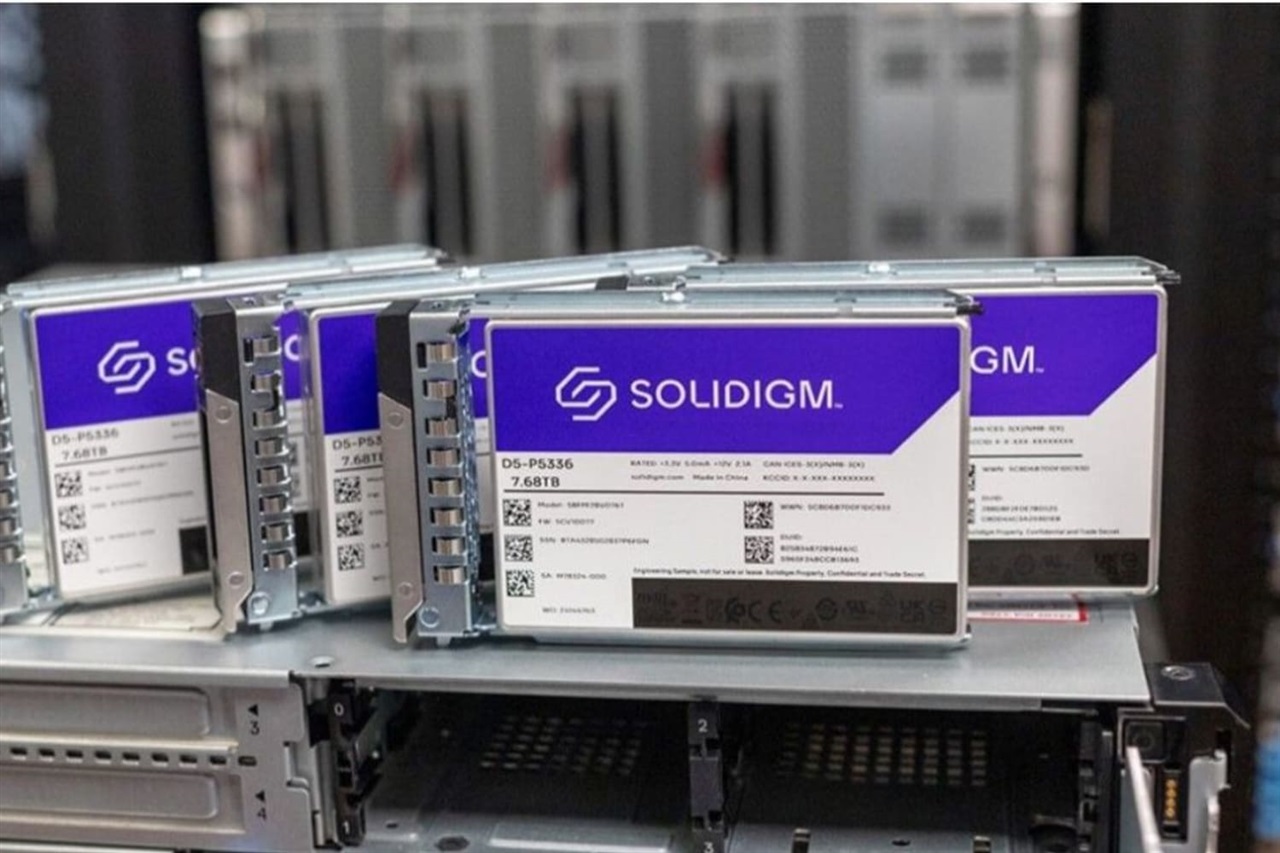
For Japanese enterprises, SIers, and cloud and data-center operators, the near-term reality is harder procurement math. Memory is a growing share of server and storage bills, and tightening supply feeds directly into system build costs and refresh-cycle planning. SIers scoping on-prem AI infrastructure or storage-heavy modernization should build memory-price sensitivity into multi-year quotes now, hedge with longer supplier commitments, and steer clients toward architectures — tiered storage, compression, workload right-sizing — that blunt exposure to a NAND market where a new, aggressive, politically-funded supplier is about to scale.