Apple has reportedly sought Washington's clearance to buy memory from CXMT, a Chinese maker on the US entity list, to blunt rising DRAM and NAND costs. Even with political sign-off, CXMT's chronic capacity constraints—and its apparent disinterest in supplying volume—could leave the arrangement hollow.
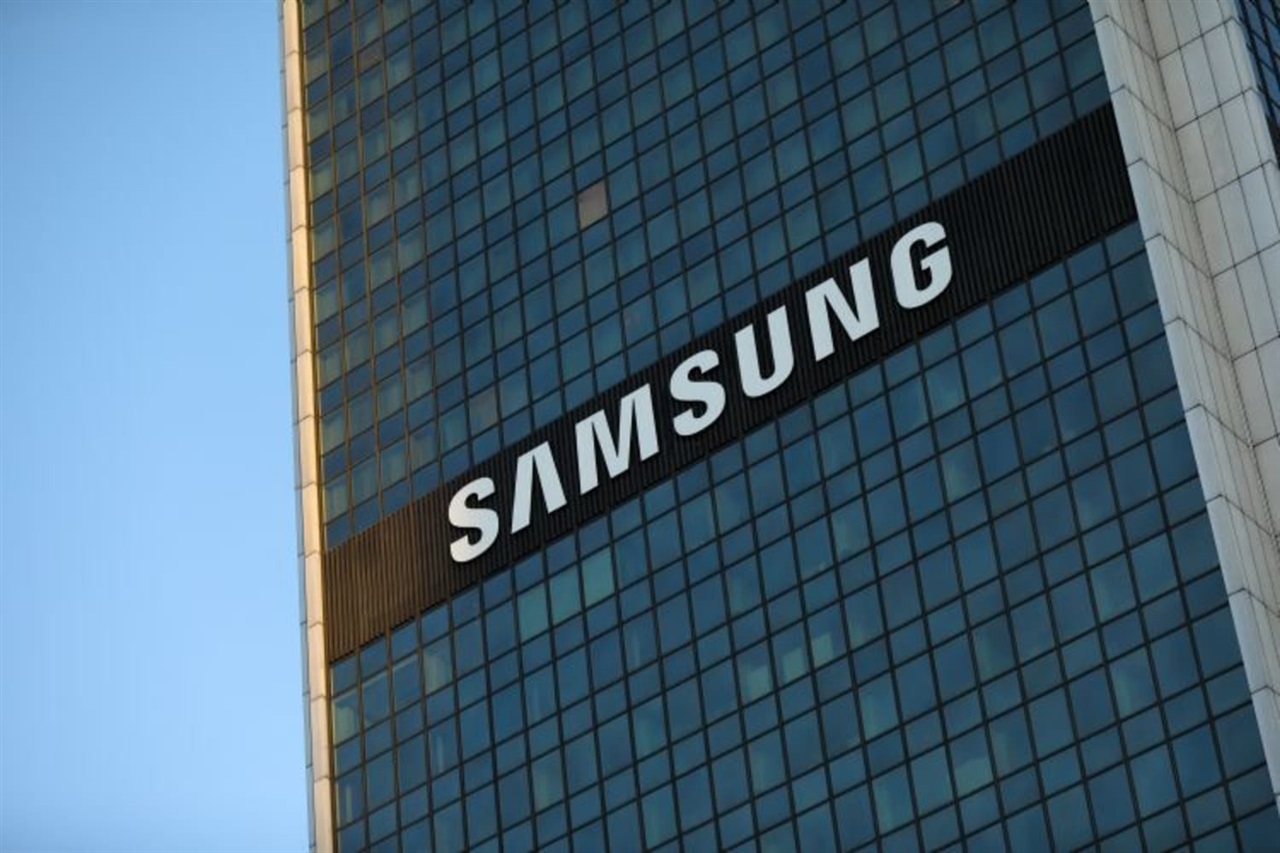
The more revealing signal here is not geopolitics but pricing. Memory is entering a genuine squeeze as AI infrastructure buildouts divert wafer capacity and advanced packaging toward HBM, starving the commodity DRAM and NAND pools that consumer devices depend on. When a company with Apple's leverage starts shopping a blacklisted supplier, it tells you the incumbents—Samsung, SK Hynix, Micron—are already sold out on the terms Apple wants. Diversification is less a strategy than a symptom of scarcity.
The synthesized reporting adds a sharp twist: CXMT and YMTC reportedly have little appetite to become critical nodes in Apple's supply chain. They want the reputational dividend of an Apple logo—proof that Chinese DRAM and NAND now sit at quality parity with the West—without absorbing the margin discipline and volume obligations Apple demands. For Beijing's champions, an Apple stamp is a marketing asset to wield against other Western buyers, not a commercial commitment. That inverts the usual power dynamic and suggests Apple's negotiating position on memory is weaker than its scale implies.
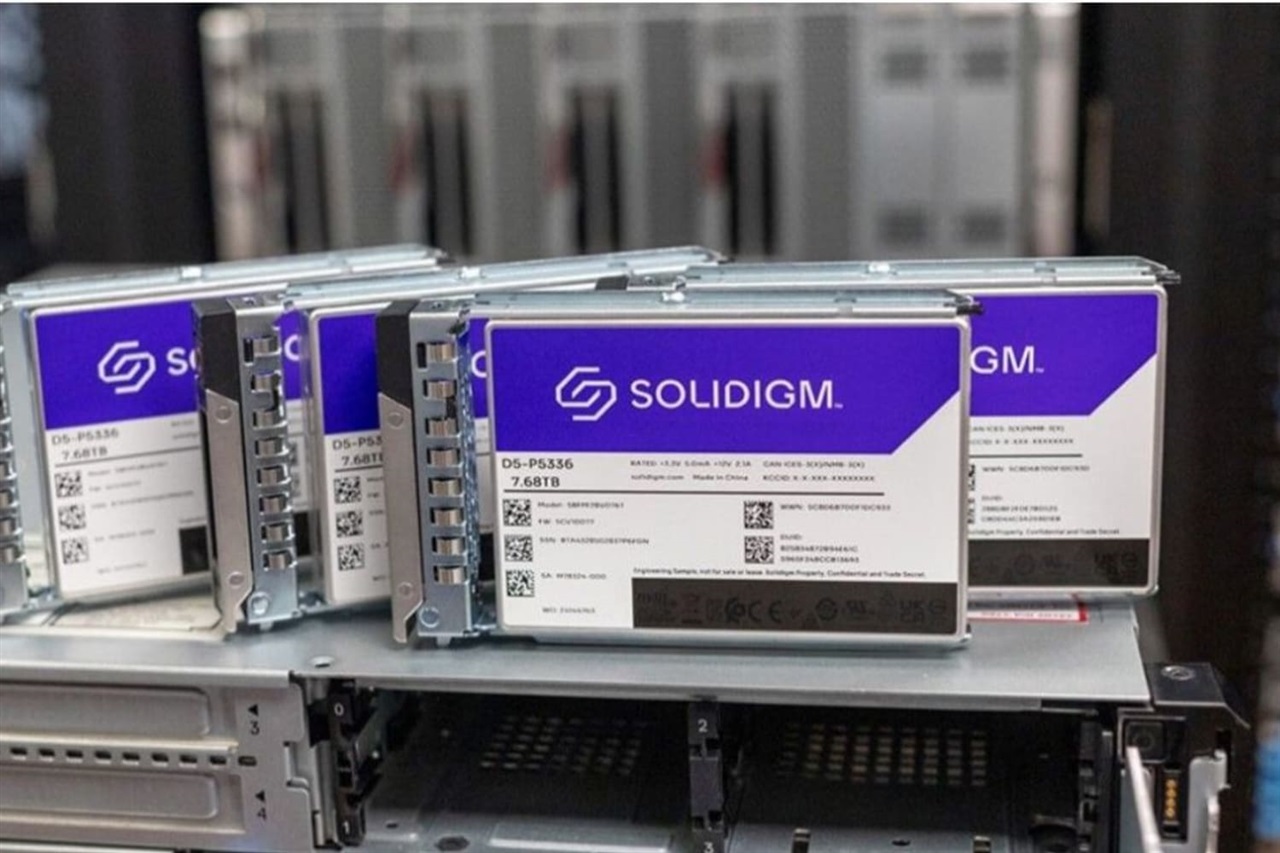
For Japan, this is a live opportunity dressed as a supply-chain headache. Kioxia, still the country's anchor in NAND, and Japan's dense layer of memory materials, test, and equipment suppliers stand to benefit from any tightening that pushes buyers toward trusted, non-sanctioned sources. A memory cycle that rewards capacity and quality plays directly to Japan's strengths, and to the strategic logic behind domestic semiconductor rebuilding efforts.
The near-term pain lands on Japanese hardware OEMs, server vendors, and the SIers who spec and procure enterprise infrastructure. Rising memory costs feed straight into server bills of materials, on-prem refresh budgets, and ultimately cloud pricing—meaning integrators quoting multi-year infrastructure contracts should model memory inflation now rather than assume the deflationary curve of the past decade. Development teams sizing GPU and memory-heavy AI workloads face the same math: commodity memory is no longer a rounding error in capacity planning, and procurement timing is becoming a genuine architectural variable.