Apple, a company that spent a decade selling silicon on vibes rather than nanometers, just named its 2nm node at launch and pushed prices up across the range. Read those two moves together and the message is clear: the marginal cost of a flagship phone chip is no longer set by the logic transistor. It's set by the memory bolted next to it and the packaging that stitches the two together.
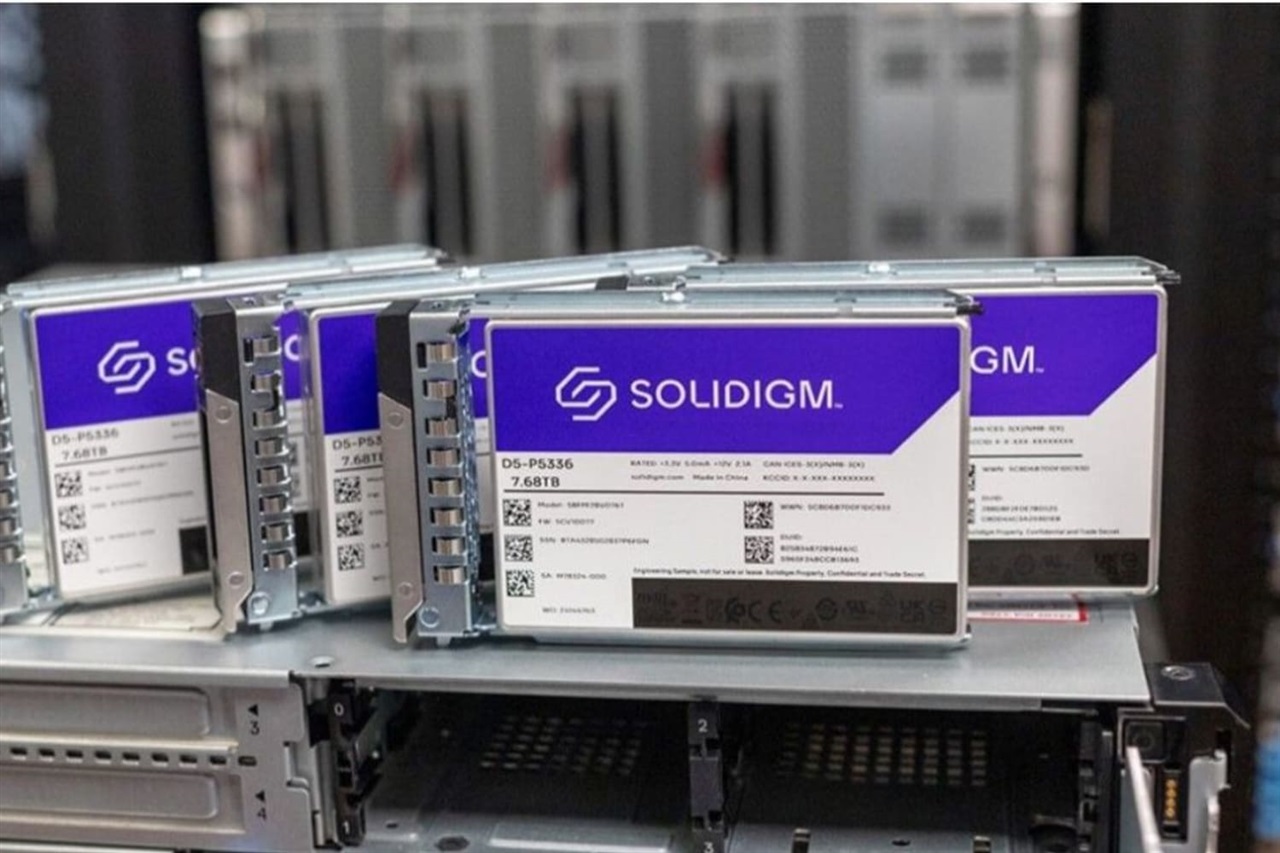
This is a quiet inversion of how the industry has talked about progress for thirty years. Node shrinks used to deliver more transistors for less money. Now the expensive part sits outside the logic die entirely—high-density memory, whose pricing has firmed as AI demand soaks up capacity, and the 2.5D/3D packaging that binds memory to compute at acceptable power. Apple's decision to stop eating that cost tells every device maker with thinner margins that price relief isn't coming. It also validates a structural shift: value and scarcity are migrating from the foundry's front-end to the back-end, where yield is harder to guarantee and capacity is genuinely constrained.
For the broader market, expect this to ripple into premium Android, AI PCs, and any product leaning on stacked memory. When the industry's most powerful buyer signals it can't hold the line on cost, smaller OEMs have no leverage at all. Component allocation, not chip design, becomes the competitive battleground of the next two years.
Here the Japanese angle is unusually direct, and it's a rare case where a consumer-price story is actually a Japanese supply-chain story. The bottleneck Apple is describing—packaging and memory—runs straight through Japan's materials and equipment base. Advanced packaging leans on Japanese photoresists, bonding materials, and precision tools; IC-substrate and back-end grinding, dicing, and test equipment are areas where Japanese suppliers hold genuine share. As packaging becomes the value center, these firms move from commodity vendors toward pricing power, provided they can add capacity fast enough.
The caution for Japanese enterprises is the flip side. Device makers, telecom carriers, and retailers importing premium hardware face imported cost inflation amplified by a soft yen, squeezing consumer-electronics margins at home. For SIers and enterprise IT teams planning device refreshes and edge-AI hardware, budget assumptions built on ever-cheaper silicon are now stale; total-cost-of-ownership models should price in a memory-and-packaging premium that looks structural rather than cyclical. The winners in Japan won't be assemblers—they'll be the upstream materials and back-end equipment specialists sitting exactly where the scarcity now lives.