A fresh round of first-half earnings shows several Chinese AI chip designers reaching profitability while others still bleed cash. The signal matters more than the numbers: state-backed demand is finally converting into revenue for a domestic silicon industry that spent years as a policy project rather than a business.
The global read is that decoupling is entering a durable second phase. The first phase was about survival under US export controls. This phase is about commercial viability. When a domestic chipmaker can post profit, it can fund its own next-generation roadmap, retain talent, and no longer depends purely on subsidies to exist. That changes the calculus for Nvidia and AMD, whose China revenue was already capped by Washington. Every profitable quarter for a local rival hardens a walled-off market that Western vendors were counting on for growth. Expect the divergence between profitable and loss-making players to trigger consolidation, with Beijing quietly steering demand toward the survivors to concentrate scale.
The more important nuance is that profit here is being manufactured by procurement mandates, not open competition. That makes these firms strong inside China and structurally weak outside it. Their margins rest on a captive market, so their real test comes only if they ever try to sell into markets where customers can choose freely.
For Japan, the implication runs through the toolchain rather than the chips themselves. Japanese suppliers of photoresist, deposition equipment, testing gear, and specialty materials sit upstream of every fab, including China's. A maturing domestic Chinese AI chip industry sustains demand for that upstream layer even as it competes with Western logic vendors, and Japan's export-control alignment with the US puts firms like the equipment and materials majors in a permanent balancing act between a large China order book and Washington's restrictions.
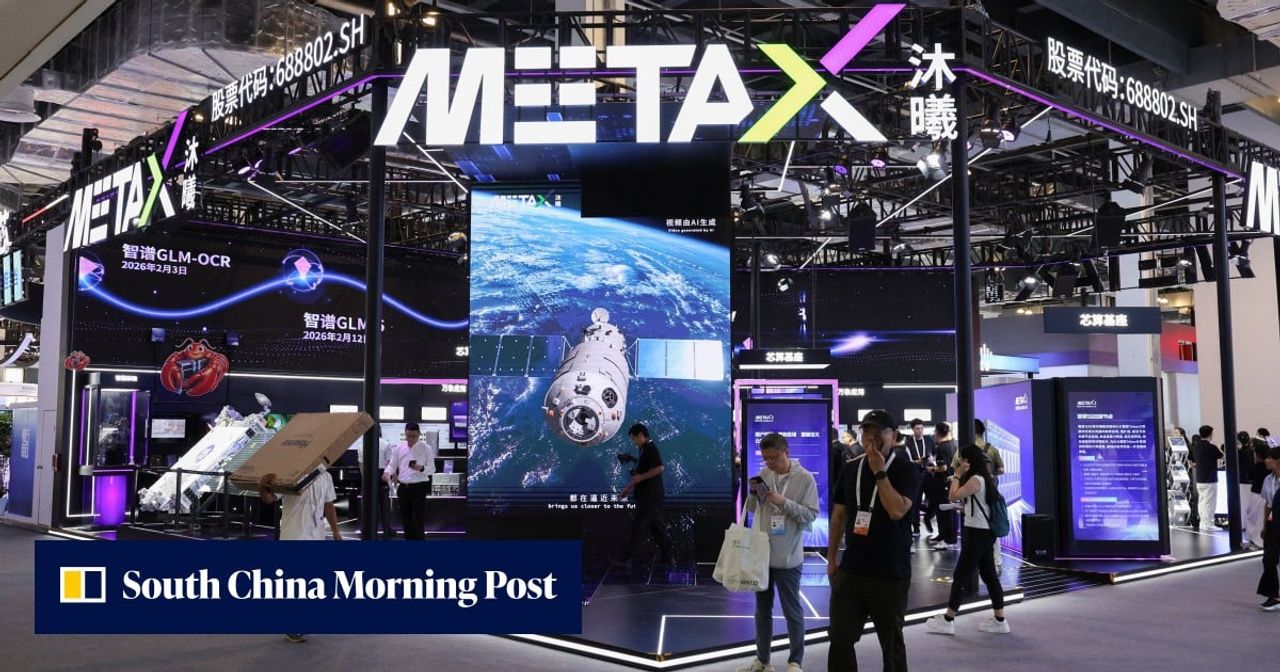
For Japanese enterprises and SIers, the strategic takeaway is supply diversification, not chip selection. Most will never buy a MetaX or Biren part directly, but they will increasingly build systems for clients with China operations who must run on domestic silicon and domestic clouds. That fragments the reference architectures SIers can offer, forcing them to design for a world where the underlying accelerator differs by jurisdiction. Teams standardizing on CUDA-based stacks should begin treating hardware abstraction as a genuine architectural requirement rather than a hedge, because the assumption of a single global AI hardware standard is quietly eroding.