SK Hynix is evaluating Japan as a location for a joint-venture memory fab, one of several options it is weighing to meet AI-driven demand while keeping production costs in check. The signal matters more than the site search itself. Memory has quietly become the second bottleneck of the AI buildout after logic and packaging: HBM stacks consume enormous DRAM wafer capacity, and the resulting displacement is now tightening conventional DRAM and NAND supply. A new node in Japan would be a hedge against concentration risk in Korea and against the geopolitical fragility of any single-country manufacturing base.
The JV structure is the tell. Greenfield memory fabs run into the tens of billions of dollars, and Hynix appears unwilling to shoulder that alone at a moment when it is already pouring capital into HBM expansion. A partner absorbs capital intensity, shares demand risk, and—if that partner is Japanese—buys immediate access to the world's densest cluster of semiconductor materials and equipment suppliers. That proximity to photoresist, specialty gases, silicon wafers, and tool vendors is the strategic core of choosing Japan over cheaper alternatives.
For Japan, this is a continuation of a deliberate reindustrialization arc that already includes TSMC in Kumamoto, Rapidus in Hokkaido, and Micron and Kioxia's domestic footprints. A Hynix memory node would deepen the country's shift from upstream materials supplier to actual chip fabricator, and it would come with subsidy expectations that Tokyo has so far been willing to meet. The competitive question is whether Japan risks overbuilding fab capacity faster than it can staff it—engineer shortages are already the binding constraint at Kumamoto.
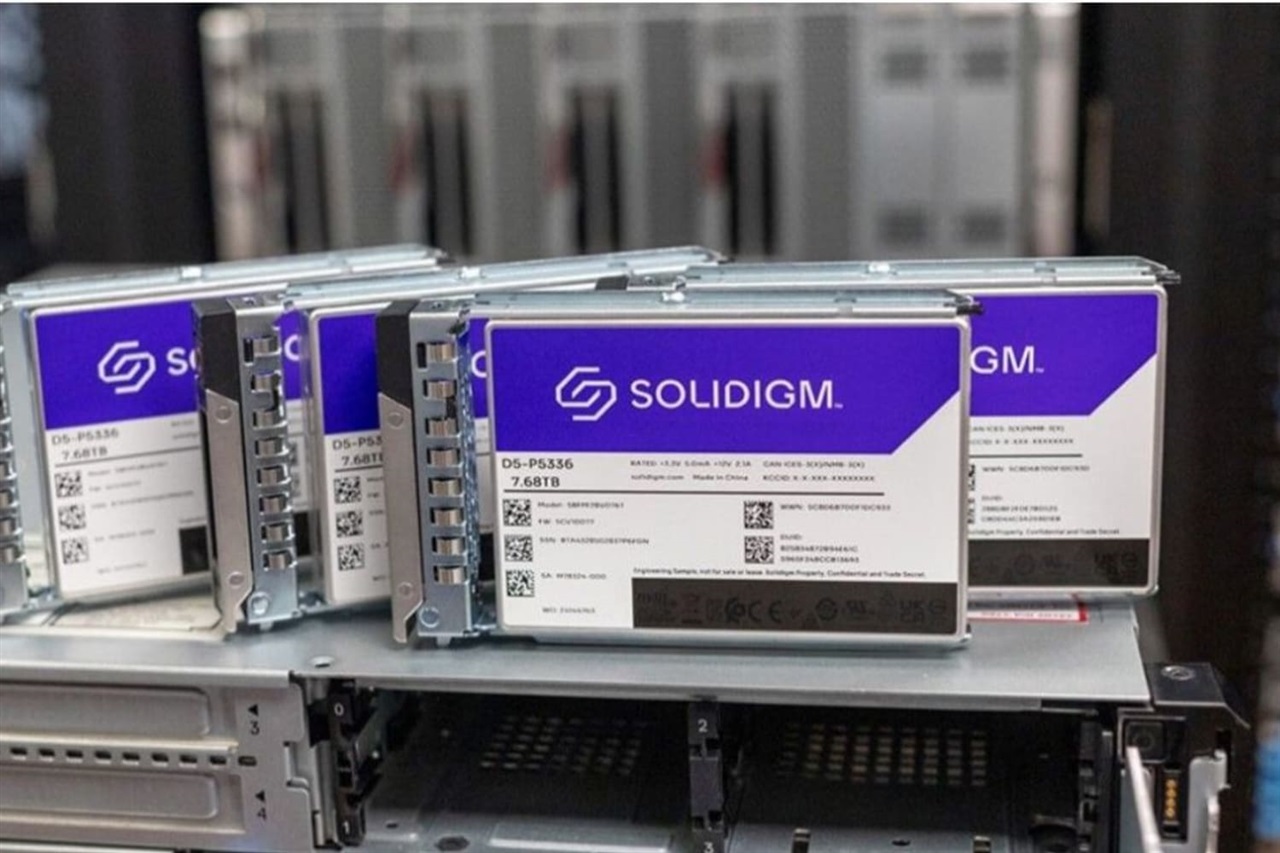
For Japanese enterprises, SIers, and development teams, the implication is indirect but real. Domestic memory production strengthens supply resilience for the hardware layers underneath every cloud migration, edge deployment, and on-prem AI cluster that integrators are now building. SIers advising manufacturing and infrastructure clients should treat a Hynix JV as a demand catalyst: fab construction pulls through automation, MES, industrial IoT, and quality-control systems—work that flows to local integrators and RPA vendors. The near-term risk is pricing. If HBM continues to cannibalize commodity DRAM and NAND capacity, memory costs for server and storage procurement could stay elevated, and that belongs in every 2026 infrastructure budget conversation.