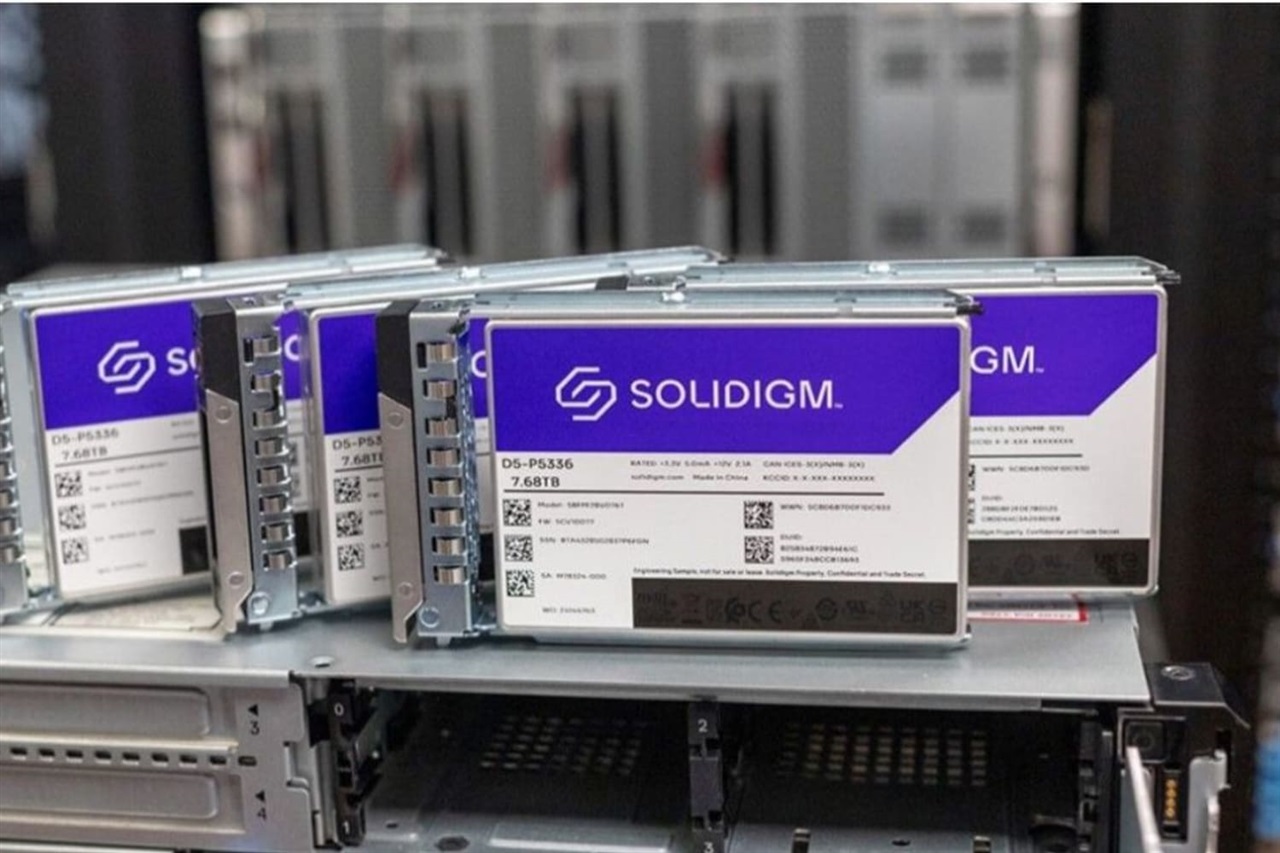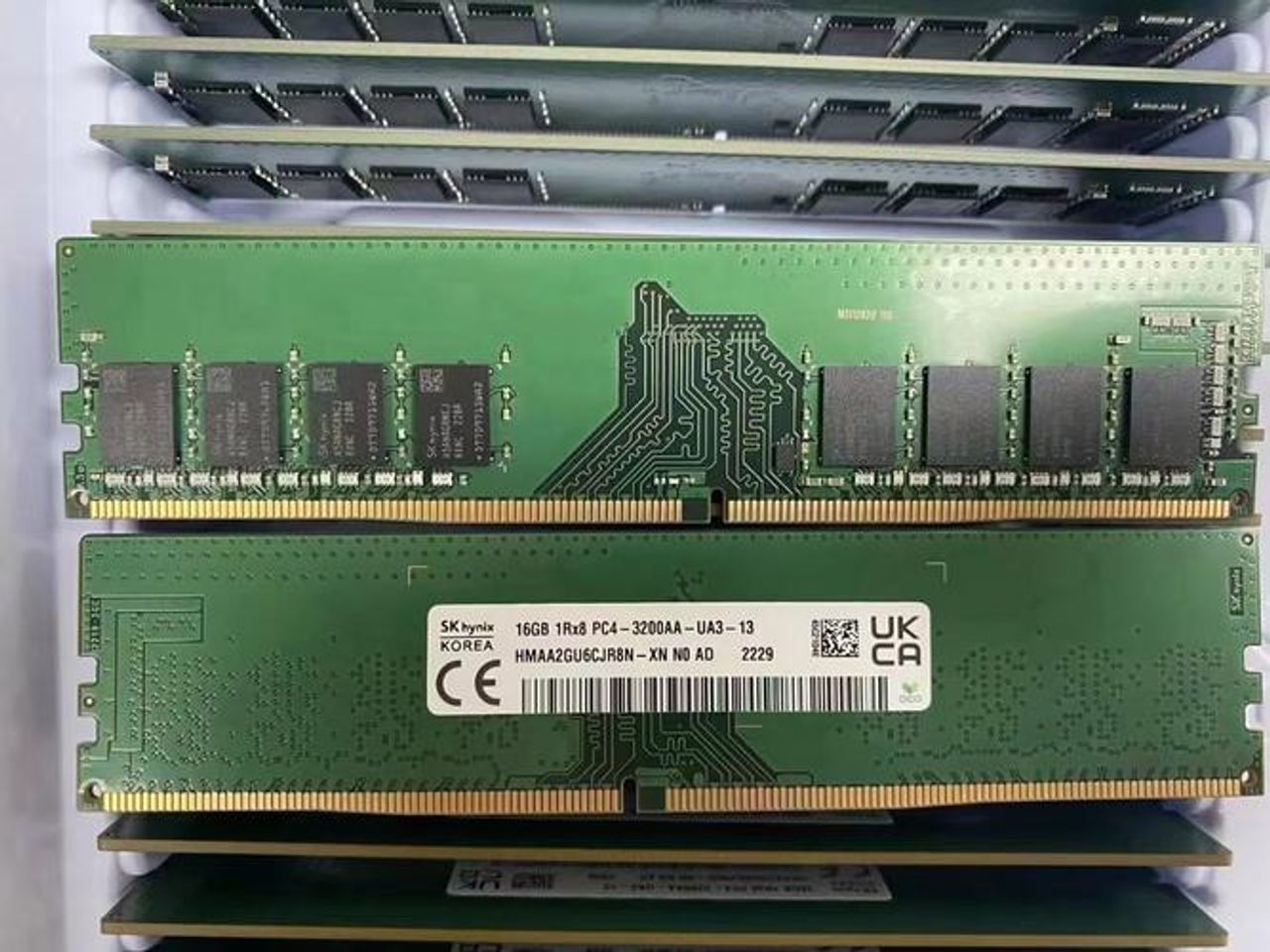
A Chinese storage maker is committing 4.5 billion yuan (US$672 million) to a third-phase advanced packaging and testing project in Dongguan, exceeding its combined earlier outlays and signaling a broader industry migration from module assembly into wafer-level operations.
The strategic logic is straightforward but consequential. Module assembly is the commodity floor of the memory business: low margins, brutal price cycles, and near-total dependence on foreign DRAM and NAND wafers from Samsung, SK Hynix, and Micron. Advanced packaging is where value is increasingly created, not just in memory but across the entire compute stack. As process-node shrinks slow and cost more, packaging techniques like chiplets, hybrid bonding, and high-density interconnect have become the primary lever for performance gains. HBM, the memory that makes AI accelerators viable, is fundamentally a packaging achievement. By pushing into wafer-level work, Chinese firms are positioning for the part of the value chain that export controls have not yet fully choked off, since packaging tools face lighter restrictions than EUV lithography. It is a pragmatic path to climb without needing the leading-edge fabrication China cannot currently access.
The global implication is a slow rebalancing of where memory value accrues. If Chinese packaging capacity scales, it pressures the incumbent OSAT players in Taiwan and the packaging margins of the memory majors, while giving China domestic optionality for AI-relevant memory it currently imports. This does not close the technology gap in high-end HBM, but it narrows the dependency at the back end of the process.
For Japan, the read is sharper than it first appears. Japan's strength in this story sits upstream: packaging materials, precision equipment, and testing gear where firms like Shin-Etsu, JSR, Resonac, Advantest, and Disco hold genuine leverage. A Chinese build-out of packaging capacity is, in the near term, demand for exactly the materials and back-end tools Japanese suppliers dominate. The tension is longer-dated: the same capacity buildout advances a competitor that Japanese policy is simultaneously trying to contain through the Rapidus and JASM (TSMC Kumamoto) national bets. Tokyo's suppliers face a familiar bind, selling into a market their own government treats as a strategic rival.
For Japanese enterprises and the SIer ecosystem, the effect is indirect but real. A more diversified, China-inclusive memory supply chain reshapes procurement risk for the AI server and datacenter buildouts that SIers are now designing for domestic clients. Integrators sizing on-prem AI infrastructure should treat memory sourcing, especially HBM availability and pricing, as a first-order planning variable rather than a line item, because packaging-stage bottlenecks now drive both cost and lead times more than raw wafer supply does.