Qualcomm placing both of its new 2nm Snapdragon flagships at TSMC is less a routine sourcing decision than a verdict on where trust in leading-edge manufacturing now sits. The industry's most-watched fabless customer had every commercial incentive to dual-source: Samsung offers pricing leverage, capacity relief, and a hedge against TSMC's premium node scarcity. Choosing not to signals that yield, power efficiency, and delivery certainty at 2nm still outweigh diversification. That matters because Qualcomm's flagship tapeouts are a reference point the rest of the mobile and PC silicon ecosystem reads carefully.
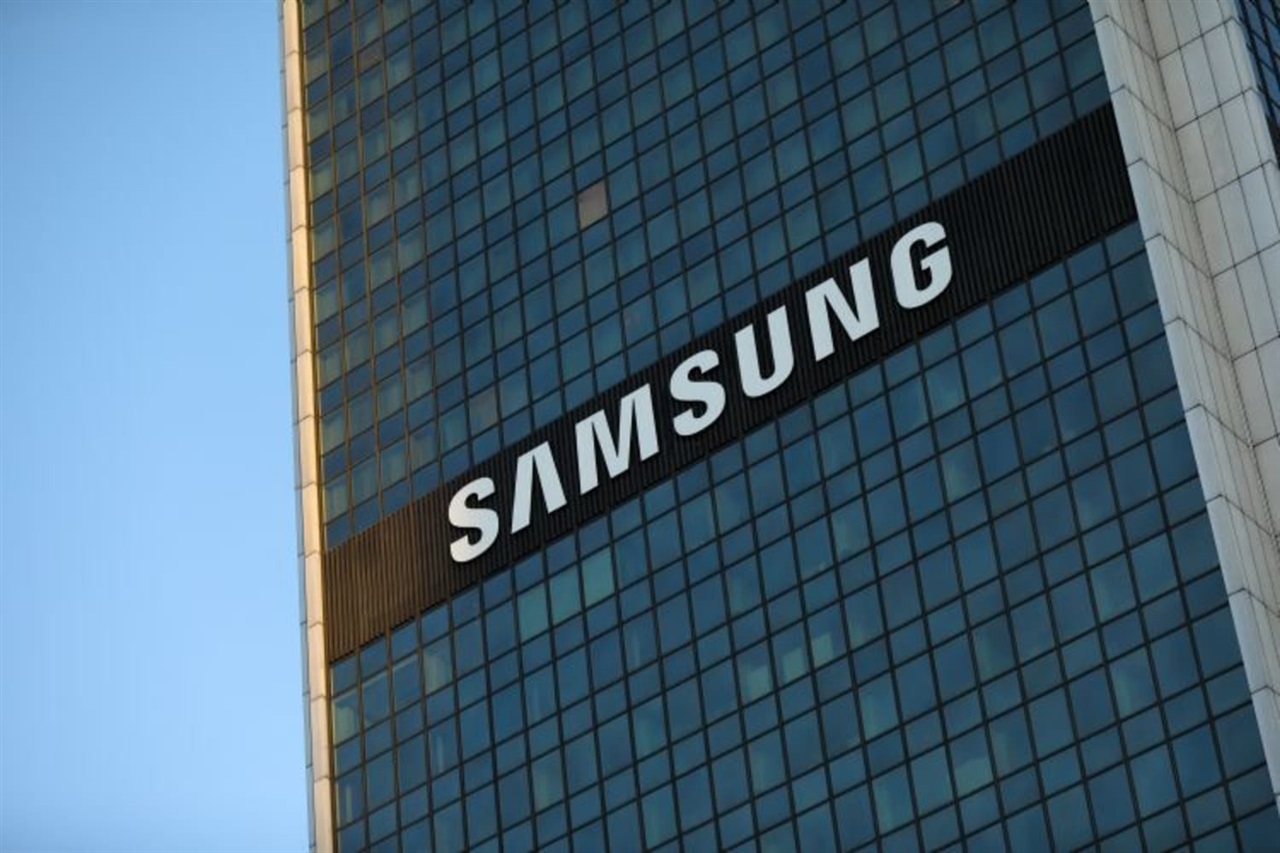
The global implication is a widening credibility gap between TSMC and Samsung at the frontier. Samsung is ramping its second-generation 2nm process and courting external customers aggressively, but the customers who most validate a node — high-volume, margin-sensitive, reputation-defining accounts — keep landing at TSMC. Each cycle this repeats compounds: TSMC funds the next node from guaranteed premium volume, while Samsung fights to prove parity on yields it cannot fully demonstrate without marquee wins. For buyers, single-source concentration at TSMC also revives supply-chain and geopolitical fragility that no one has genuinely solved.
Qualcomm's parallel move into audio and wearable silicon — a new Snapdragon Sound platform pushing on-device AI, integrated low-power Wi-Fi, and adaptive audio into earbuds and smart glasses — points to the second front. As flagship SoCs consolidate at the leading edge, Qualcomm is broadening its footprint into the ambient-computing layer where AI features run locally on tiny power budgets. Read together, the two stories describe a company defending premium-node dominance while seeding the next hardware category.
For Japan, the sharper edge is structural dependence. Japanese device makers, automotive suppliers, and the industrial electronics base rely on the same TSMC-centric leading-edge supply that Qualcomm just reaffirmed. Rapidus, the domestic 2nm venture, is targeting exactly the frontier where Samsung is struggling to convert capacity into trusted volume — a sobering benchmark for how hard customer validation, not just fabrication, will be. Japanese SIers and enterprise buyers should treat leading-edge silicon as a concentrated risk in any multi-year hardware or edge-AI roadmap.
The wearable-AI angle deserves attention from Japanese product and development teams building on-device intelligence. As on-device AI moves into audio and glasses form factors, Japanese consumer-electronics and component suppliers — long strong in acoustics, sensors, and optics — have a genuine opening to supply the AI-wearable stack rather than merely consume finished platforms. The strategic question for local players is whether they position as differentiated component and integration partners in this emerging layer, or default again to downstream assembly while the silicon value accrues elsewhere.