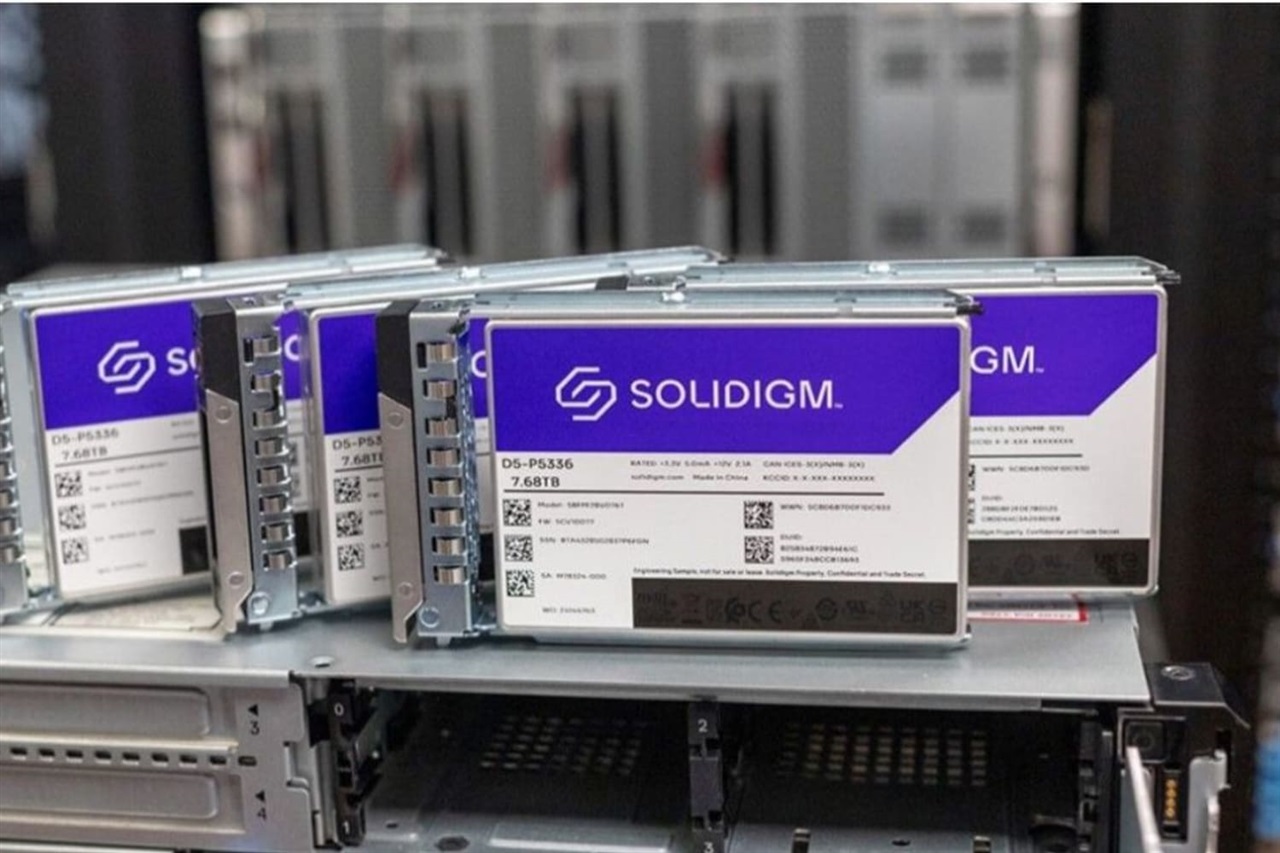
Two forces are converging in the memory market. China's YMTC is closing on SK Hynix in NAND revenue share while running a more aggressive layer mix, and CXMT has moved to High-k Metal Gate (hafnium-based) transistors to curb leakage and push toward the 1a DRAM node, with a broader HBM roadmap and stated ambitions of 800,000 wafers per month by 2031. At the same time, cloud operators may direct as much as 68% of hardware capex toward DRAM and NAND as prices spike.
The strategic read is that China is graduating from a low-end volume player into a credible process competitor precisely as the rest of the industry hits a supply wall. That timing matters. HKMG is not a marginal tweak; it is the same physics-driven transition that Western and Korean makers made years ago, and clearing it removes a structural excuse for keeping CXMT boxed into legacy nodes. If Beijing's capacity comes online into a tight market, it changes the shape of the next glut rather than just adding a follower. For hyperscalers, the near-term pain is real: memory is becoming the swing cost in AI datacenter economics, and those bills will flow into cloud pricing for everyone downstream.
For Japan, the exposure runs on both sides of the ledger. Kioxia sits directly in YMTC's line of fire in NAND, where Chinese share gains and advanced layer counts compress the pricing and margin room Kioxia needs to fund its own capex through a cyclical trough. This sharpens the logic behind consolidation and government backing for the domestic memory base, and it raises the stakes for Rapidus and the broader push to keep advanced fabrication onshore.
The more overlooked upside is Japan's materials and equipment layer. High-k adoption at scale means more demand for hafnium precursors, deposition tools, and specialty chemistry, where Tokyo Electron, Shin-Etsu, JSR and peers hold real positions. Export-control dynamics complicate who they can sell to, but the underlying technical shift favors suppliers regardless of which flag the fab flies.
For Japanese enterprises, SIers and in-house dev teams, the practical signal is cost. Rising DRAM and NAND prices feed straight into server refresh cycles, on-prem storage, and cloud invoices. Teams planning AI workloads should model memory-driven cloud inflation into 2026 budgets now, prioritize memory-efficient architectures, and revisit capacity assumptions rather than treating hardware pricing as a stable input.