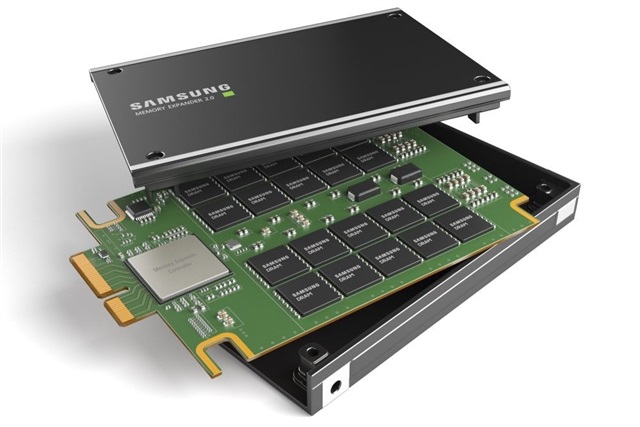
The core tension is straightforward: CXL lets systems pool and expand memory far beyond what a single socket can hold, while HBM delivers the raw throughput that frontier training and inference demand. Engineers at OpenAI and Intel drawing the line here matters because it signals that the industry has stopped treating CXL as an HBM killer and started treating it as a complementary tier. That reframing has real architectural consequences.
Globally, this points to a future data center where memory is explicitly stratified. HBM sits closest to the accelerator for latency- and bandwidth-sensitive work; CXL-attached DRAM handles capacity-hungry but less throughput-critical tasks like large context windows, embeddings stores, and cold model weights. For hyperscalers and neoclouds racing to stretch every dollar of scarce HBM, CXL becomes a cost-control lever rather than a performance play. The economic logic is compelling: HBM supply is constrained and priced accordingly, so offloading anything that does not strictly need it is rational. But CXL adds latency and protocol overhead, so the win only materializes when workloads are carefully placed. This is a scheduling and software problem as much as a hardware one, and whoever masters memory-tier orchestration captures margin.
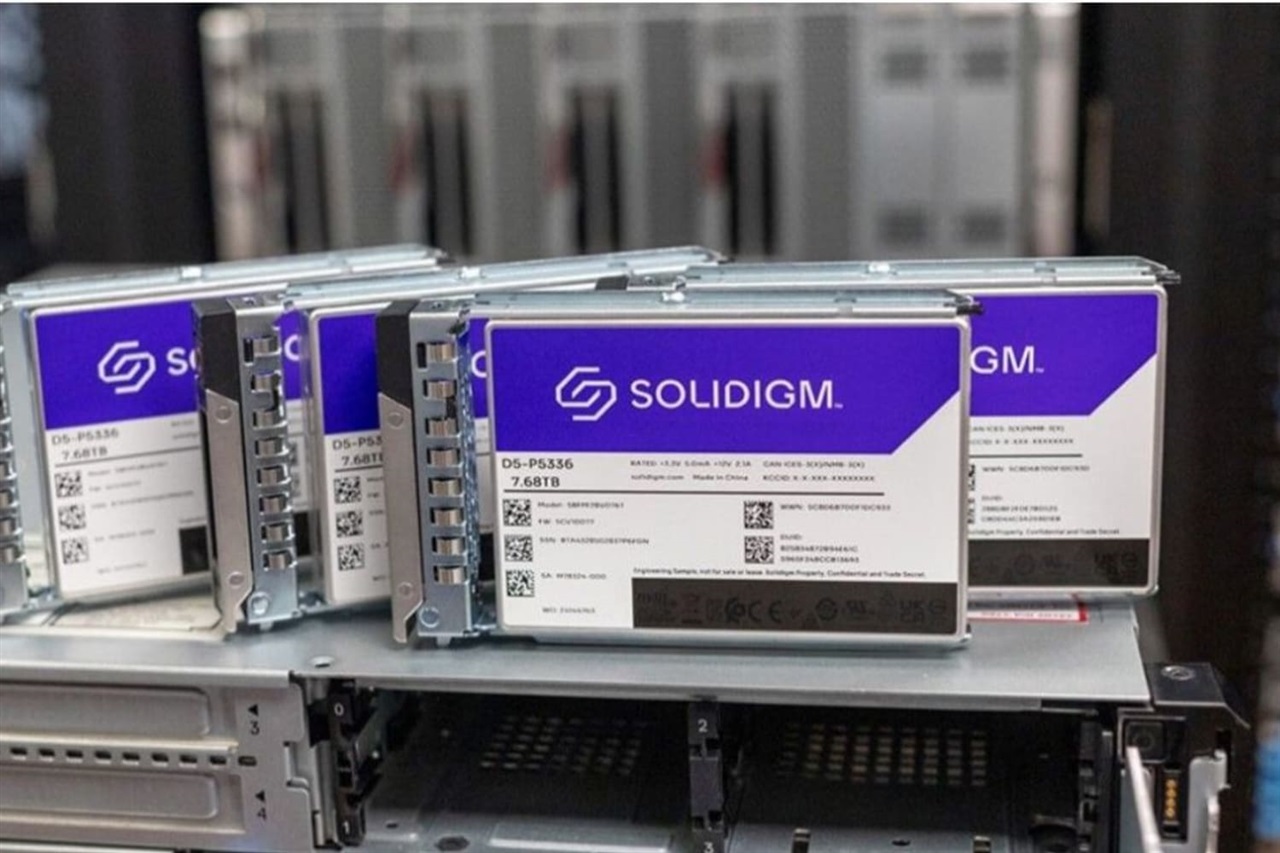
For Japan, the memory angle cuts close. Kioxia and the broader Japanese memory and materials supply chain benefit from any architecture that expands total DRAM and storage-class memory demand, even if the highest-value HBM layers remain dominated by Korean and US players. CXL's rise widens the addressable market for conventional DRAM and NAND, which plays to domestic strengths in components and packaging.
For Japanese SIers and enterprise IT teams, the practical takeaway is that AI infrastructure design is becoming a memory-tiering discipline. On-premise AI builds for regulated sectors like finance and manufacturing will increasingly need architects who understand where HBM is non-negotiable and where CXL pooling cuts cost. This is a genuine consulting opportunity for firms willing to build that expertise, and a risk for those still selling AI infrastructure as a simple GPU headcount. The teams that treat memory as a first-class design variable, not an afterthought, will deliver materially more efficient systems for their clients.