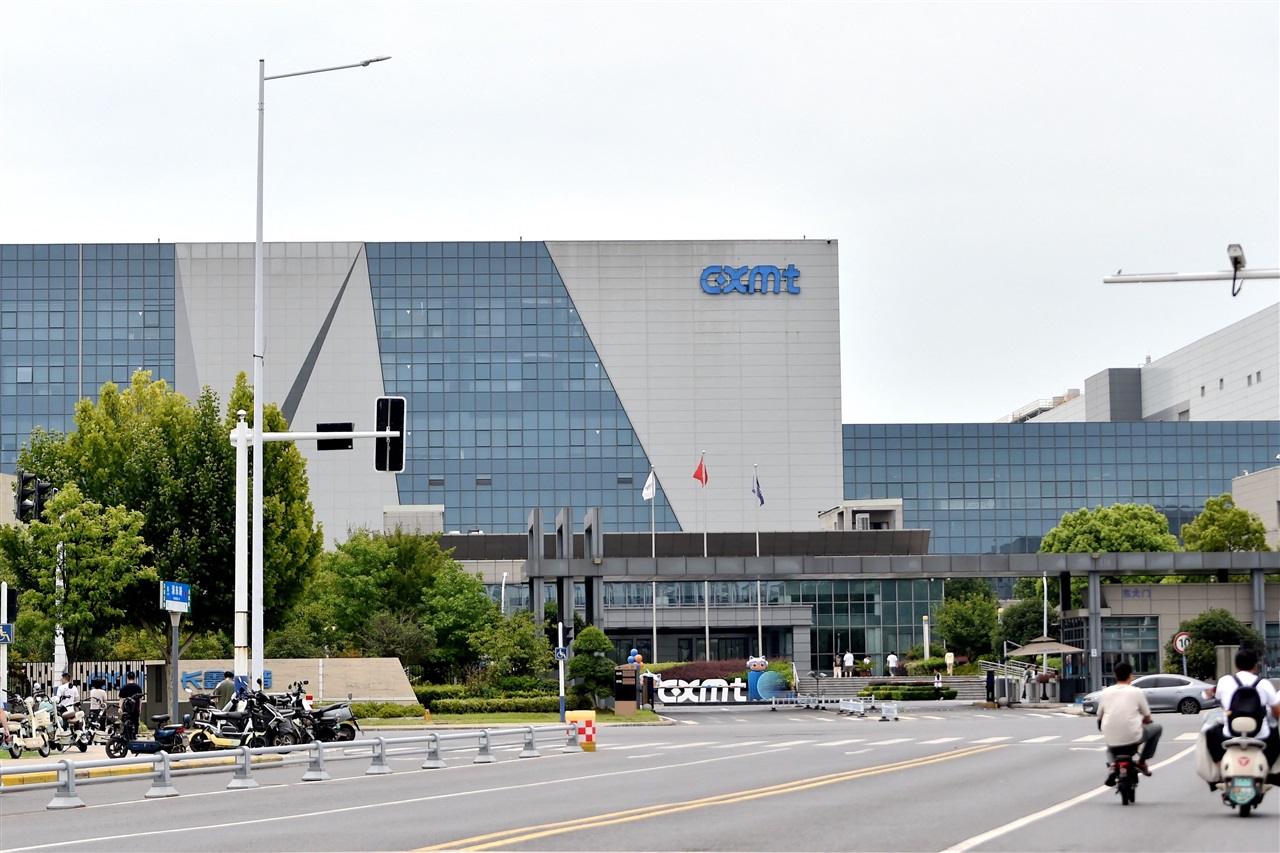
The underlying shift is straightforward: China's largest DRAM maker is converting cyclical shortage economics into fatter margins and using that cash to climb toward LPDDR6 and high-bandwidth memory.
Globally, this matters less for the commodity DRAM tier than for what it signals about trajectory. HBM is the profit center of the memory industry right now because it feeds AI accelerators, and it has been effectively a three-company oligopoly. A credible fourth entrant, even one a generation behind, changes the negotiating posture of hyperscalers and could compress the premium that incumbents enjoy over the next few cycles. The near-term risk is not that a challenger matches leading-edge HBM tomorrow, but that state-backed capacity expansion in commodity and mid-tier DRAM absorbs cheap capital and distorts pricing when the current shortage inevitably flips to glut. Buyers should read the shortage windfall as the funding mechanism for the next oversupply.
The second-order story is supply-chain sovereignty. As China's memory ecosystem moves upstream into materials, tools, and packaging, it insulates domestic makers from export controls and gradually removes demand from Western and allied suppliers. That is a slow-motion revenue erosion for the equipment and materials layer, not a sudden cliff.
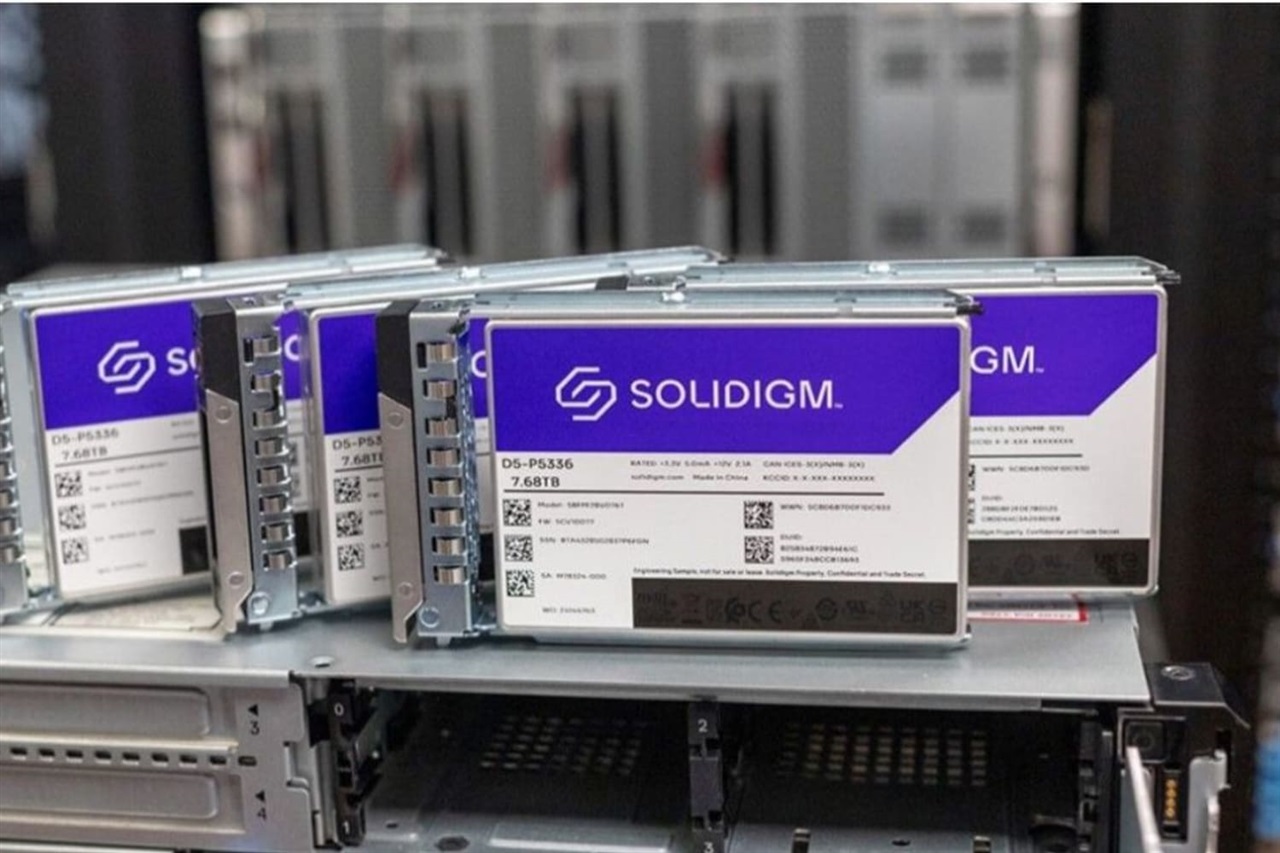
For Japan, the exposure is concentrated and consequential. Japanese firms dominate the parts of this chain that sit above the memory maker: photoresists, silicon wafers, deposition and etch tools, and precision materials. A more self-sufficient Chinese memory bloc is a structural headwind for that segment even as short-term tool orders stay strong. Kioxia and the broader domestic NAND position also feel the read-through, since capital chasing DRAM and HBM reshapes the whole memory investment landscape.
For Japanese enterprises and SIers, the practical pressure is procurement. AI server builds, on-prem inference clusters, and edge devices all ride on memory pricing, and a shortage-driven cycle inflates the bill of materials for every data-center and RPA-adjacent automation project priced this fiscal year. SIers scoping multi-year AI infrastructure contracts should build memory volatility into pricing clauses rather than assuming today's spot rates hold. The strategic takeaway for Japanese decision-makers is to treat memory as a geopolitical input, diversify qualification across suppliers early, and avoid locking long-term deployments to a single cost assumption.