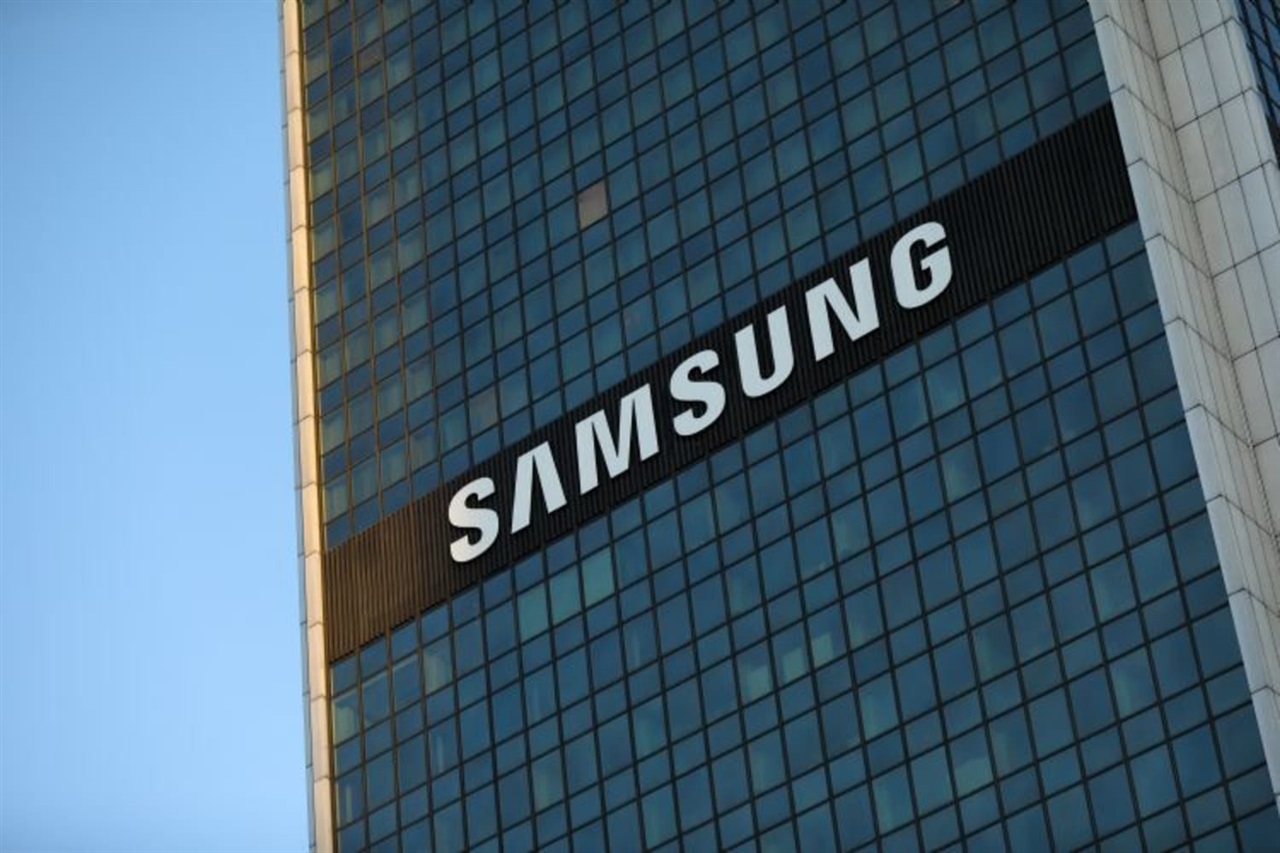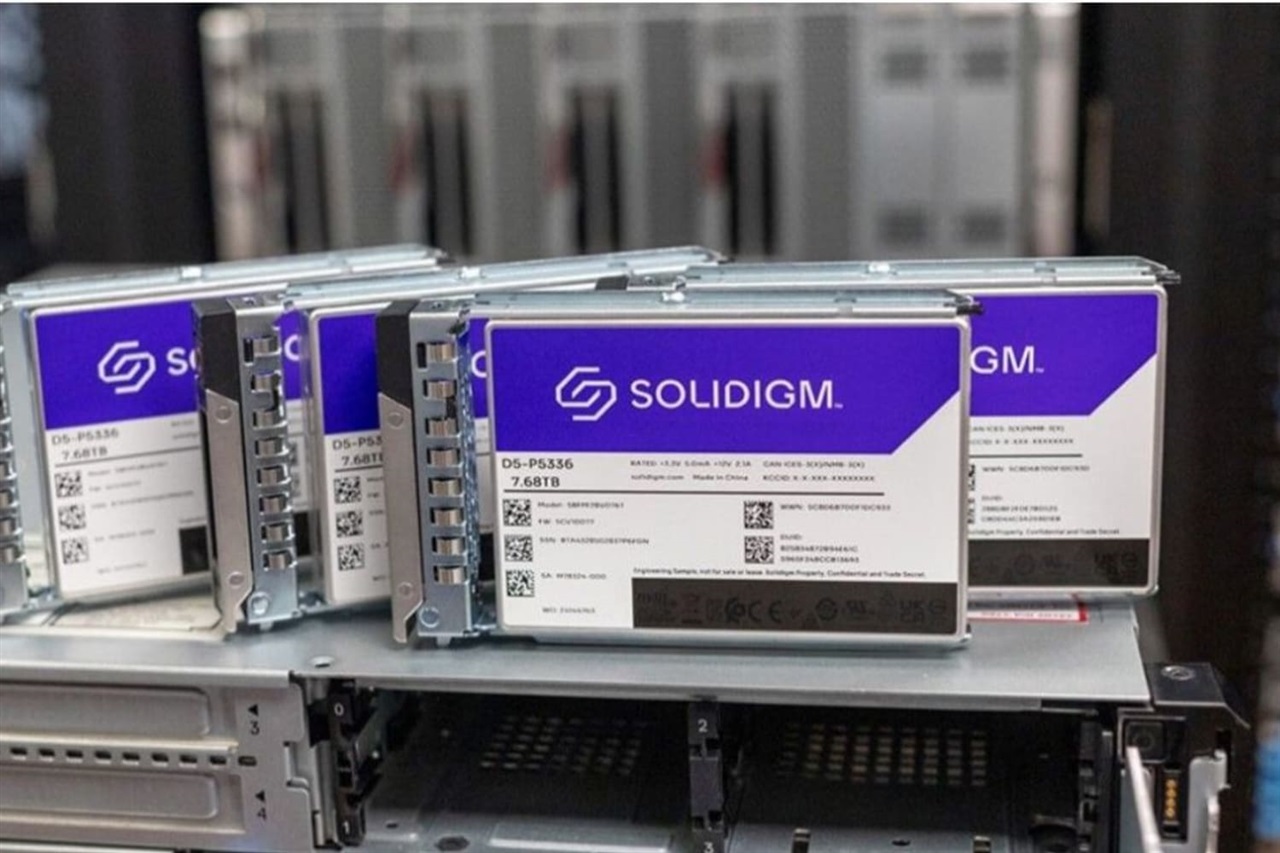
Memory vendors are converting a cyclical shortage into a structural one. By committing 50-70% of capacity to long-term agreements and stretching terms from three to five years, suppliers are effectively removing a large slice of output from the open market before it is even produced.
The global implication is a two-tier market. Buyers with signed LTAs gain volume certainty but surrender pricing flexibility for half a decade; everyone else competes for a shrinking spot pool that will reprice sharply upward as AI-server, HBM, and datacenter demand collides with constrained wafer starts. This is a deliberate discipline shift. After years of boom-bust whiplash, suppliers are using contract structure, not just fab investment, to smooth revenue and shift inventory risk onto customers. The strategic cost is optionality: hyperscalers and OEMs that lock in now are betting on demand curves through 2029-2030, and any misjudgment becomes a multi-year liability rather than a quarter of pain.
For Japan, the story cuts two ways. Kioxia sits on the supply side with a reported ~50% LTA share, giving it a rare window to stabilize earnings and fund its Yokkaichi and Kitakami roadmap ahead of a long-signaled listing. But most of corporate Japan is on the demand side, and that is where the exposure concentrates. Server, industrial-equipment, automotive, and consumer-electronics makers that historically bought memory opportunistically now face a market where the best allocations went to those who committed early and at scale.
Japanese SIers and hardware integrators should treat this as a procurement-strategy problem, not a purchasing one. Firms building on-prem AI infrastructure, edge appliances, or bespoke server configurations for enterprise clients may find lead times and BOM costs moving against them precisely as domestic AI adoption accelerates. The practical response is to model memory as a contracted input with its own risk register: negotiate multi-year allocation through distribution partners, design products with flexible memory tiers, and price in escalation clauses rather than assuming spot availability. Development and platform teams have a parallel lever, optimizing memory footprints and favoring cloud-elastic deployments where capacity risk sits with the provider. The organizations that plan for scarcity as a baseline condition through 2027 will protect both margins and delivery timelines.