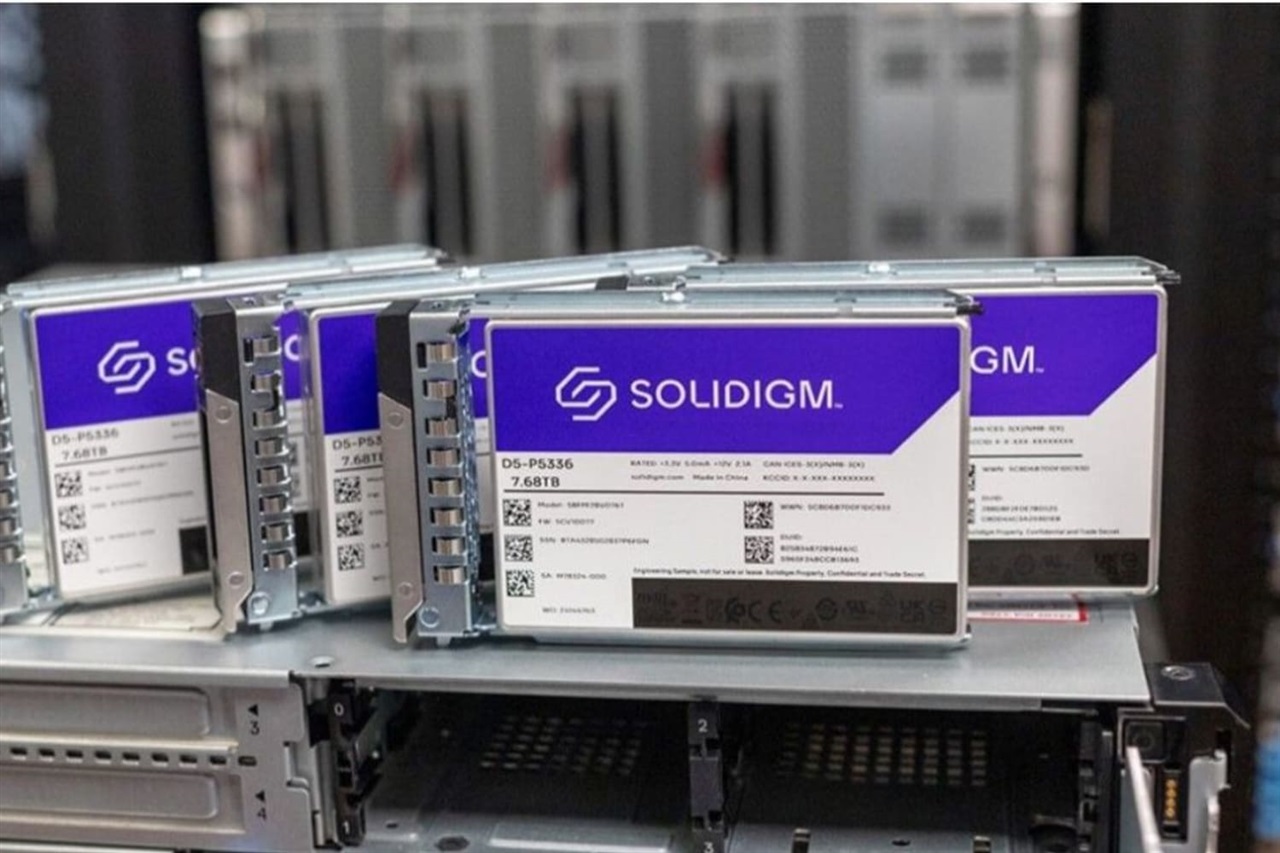
The week's semiconductor signals point in one direction: AI demand is now dictating pricing and allocation across memory, foundry, and data-center hardware. HBM4 and server needs tightened DRAM and NAND, Intel raised CPU prices, and vendors from Micron to ASML and Synopsys advanced plans tied to advanced-node capacity (Sept 7-13, 2026).
The strategic story is not scarcity itself but who holds pricing power. When memory becomes the gating factor for accelerator systems, value migrates upstream to whoever controls HBM output and packaging. Intel lifting CPU prices into that environment is a tell: silicon suppliers sense a seller's market and are testing how much cost buyers will absorb. For hyperscalers and model labs, the binding constraint is no longer just GPU count but the surrounding stack — high-bandwidth memory, advanced packaging, power delivery, and the fabs that produce them. Capex commitments will increasingly hedge against component allocation risk rather than compute price alone.
For Japan, this reshapes both supply-side opportunity and demand-side cost. Japanese firms sit deep in the materials, equipment, and NAND layers that this buildout consumes, so tighter memory cycles favor domestic suppliers of photoresists, wafer materials, and test and packaging tooling. Rapidus-era ambitions gain urgency, since advanced-node scarcity is precisely the gap Japan's foundry push aims to address. The opportunity is real, but it depends on execution and yield, not just favorable demand.
The harder problem lands on the demand side. Japanese enterprises and SIers planning on-prem AI or private data-center capacity face rising and less predictable hardware costs, longer lead times, and allocation queues that favor larger buyers. SIers should reframe AI infrastructure proposals around total-cost volatility, not fixed quotes — building in memory-price contingencies, staged procurement, and cloud-burst fallbacks. RPA and internal dev teams should assume compute-cost pressure will push more inference toward efficient, smaller models and shared clusters rather than dedicated hardware. The teams that win will treat capacity as a managed portfolio, locking allocation early and designing workloads to degrade gracefully when supply tightens.