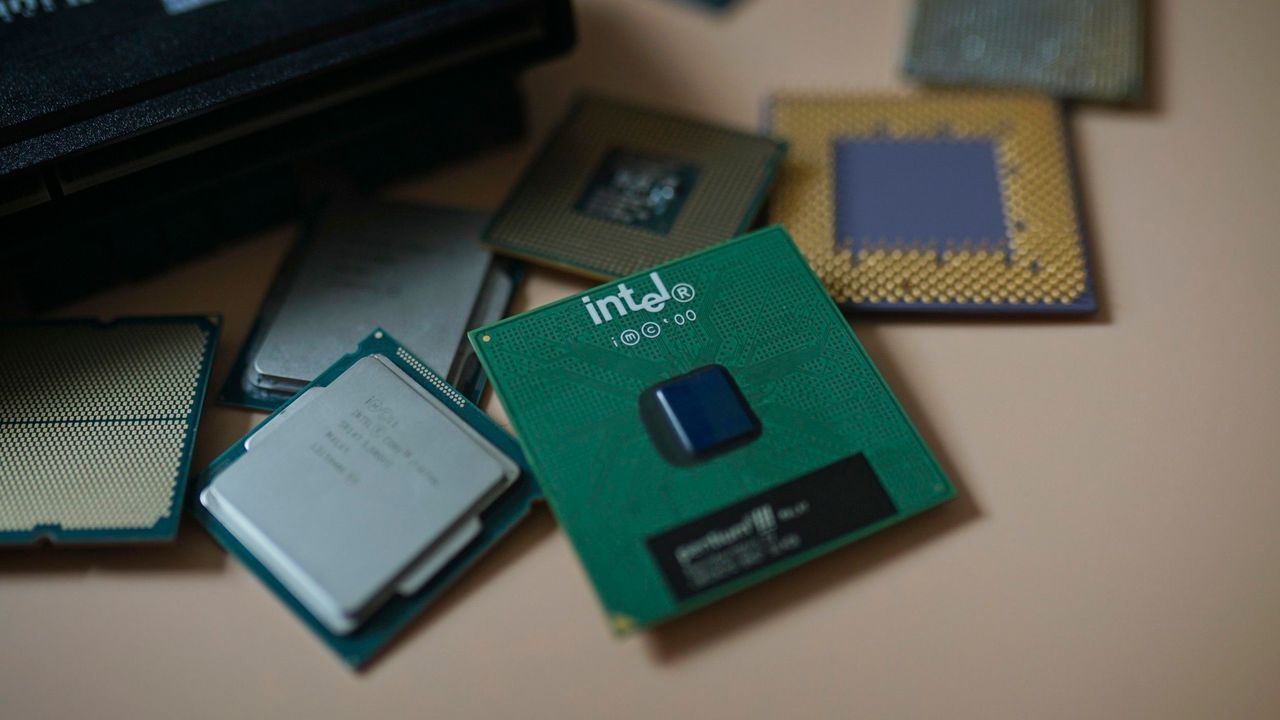
Intel is reportedly preparing a roughly 10% CPU price increase, its third in a series, ahead of a major product launch slated for March 2027, with AMD expected to raise prices between June and July.
The strategic signal matters more than the number. For a decade, x86 pricing trended flat to down as Intel and AMD fought for share and Moore's Law delivered predictable cost-per-transistor gains. Coordinated increases from both vendors within months of each other suggest that dynamic is breaking. Foundry economics have inverted: leading-edge wafers, advanced packaging, and the capital intensity of new fabs now push costs up faster than density gains pull them down. When the duopoly moves in the same direction, buyers lose the arbitrage they once relied on. Add the gravitational pull of AI datacenter demand — where GPUs and HBM command premium allocation — and general-purpose CPUs become a lower-priority, higher-margin product line rather than a volume race.
The near-term global effect is margin compression for anyone who treats compute as a pass-through cost: PC OEMs, cloud providers, and hardware-heavy SaaS firms. Expect price increases to propagate into server bills of materials and, eventually, instance pricing. The 2027 launch framing also tells buyers something: vendors are willing to protect margins now and let a future product generation justify the higher baseline.
For Japanese enterprises and SIers, this lands on an already strained hardware refresh cycle. A weak yen has made dollar-denominated silicon expensive, and many firms deferred Windows and server upgrades. A structural CPU price floor removes the option of waiting for cheaper hardware — the calculus now favors extending asset life, shifting to consumption-based cloud, or accelerating migration off on-prem estates. SIers that still bundle hardware margin into system-integration deals will see that margin squeezed; the smarter play is repositioning toward managed services and optimization consulting, where value is decoupled from silicon cost.
There is also a quieter implication for automation. RPA and on-prem AI-inference workloads that Japanese firms run to control data residency depend on affordable commodity compute. As per-core costs rise, the total-cost-of-ownership gap between self-hosted automation and cloud-based alternatives narrows, strengthening the case for hosted platforms. Japanese IT leaders should model compute as an appreciating input over the next 18 months and lock procurement and capacity commitments accordingly rather than assuming the historical deflation continues.