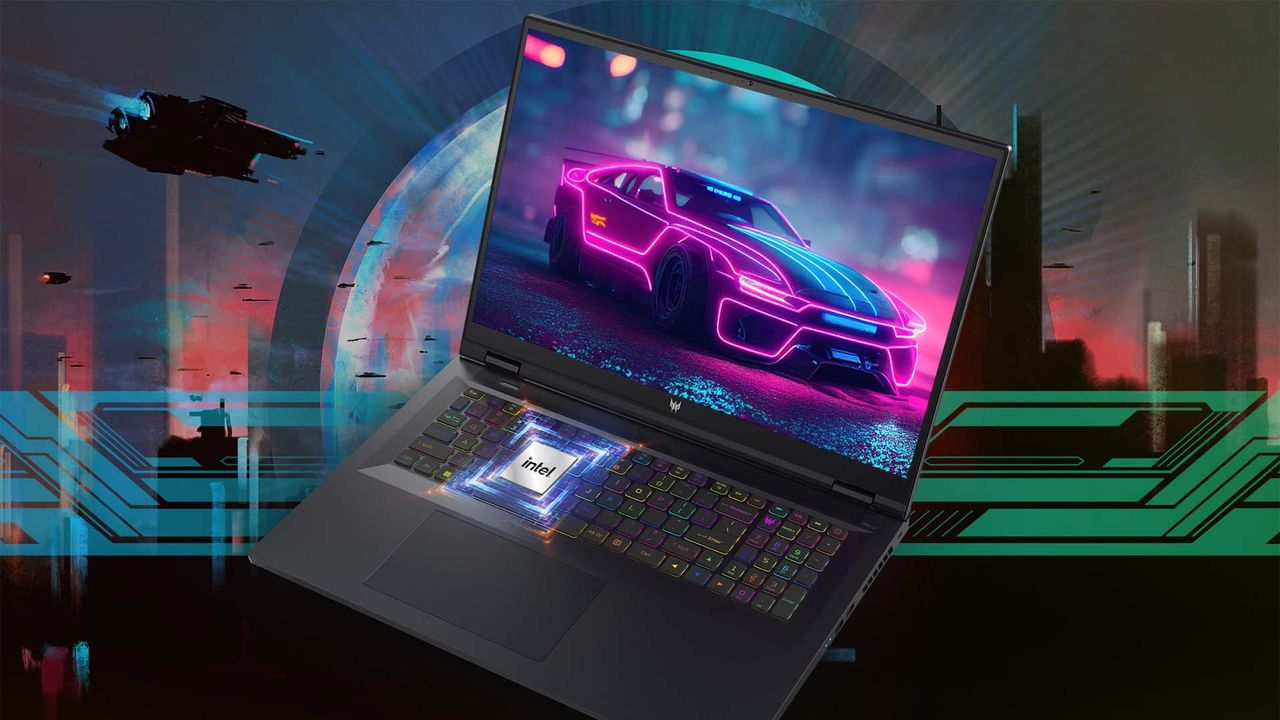
One owner's overheating Acer Predator Helios became a lucky ticket to a newer RTX 5070 Ti model with faster DDR5, but only after the Core i9-14900HX spiked temperatures during ordinary tasks like video playback. The upside came bundled with downgraded build quality alongside a better OLED panel.
The real story is not one unhappy laptop. Intel's high-core-count mobile parts have inherited the thermal and stability reputation of their desktop siblings, and that turns warranty service into an unpredictable lottery. When a vendor cannot repair a discontinued SKU, it substitutes whatever is on the shelf, mixing wins (a stronger GPU, brighter display) with losses (cheaper chassis). For consumers this feels like a gamble; for the OEM it is a margin decision made under RMA pressure. Neither party is optimizing for a coherent product, and that erodes the premium positioning gaming and creator brands depend on.
Globally, this points to a widening gap between spec-sheet performance and delivered experience. Thermals, sustained clocks, and RAM configuration now matter more than headline core counts, yet they are the hardest attributes for buyers to verify before purchase. Vendors that standardize replacement policies and publish sustained-performance data will win trust; those that improvise will keep generating viral complaint threads.
For Japan, the implications land squarely on enterprise procurement and development teams. Japanese firms and SIers increasingly issue mobile workstations to engineers running local builds, containers, and now on-device AI inference, workloads that punish thermally constrained CPUs. A fleet standardized on a throttling chip means inconsistent build times and support tickets that flow straight to internal IT or the integrator's managed-device contract. The lesson is to write sustained-performance and equivalent-or-better replacement clauses into hardware SLAs, rather than trusting model-number continuity.
Japanese OEMs and the domestic reseller channel also face a positioning question. As buyers grow wary of thermal roulette, differentiation shifts toward reliability, transparent RMA terms, and validated sustained throughput. That favors vendors willing to compete on delivered stability over peak benchmarks, an area where meticulous local support has historically been a genuine advantage.