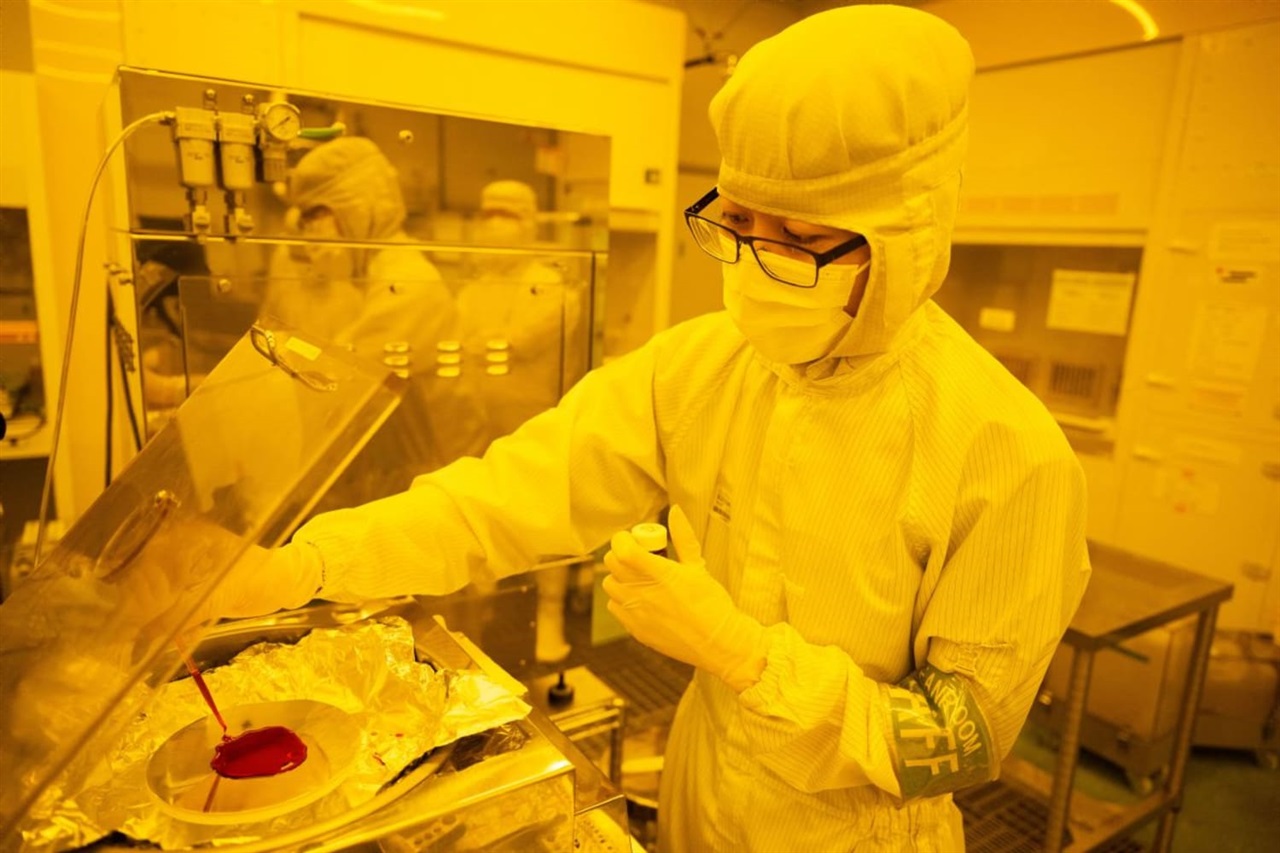
Japan's Leading-edge Semiconductor Technology Center is organizing a public-private-academic structure around Rapidus, which targets 2-nanometer mass production in 2027, with a stated focus on next-generation research and talent development.
The global read: capital is no longer the binding constraint in advanced logic—competence is. TSMC and Samsung didn't win on subsidies; they won on decades of accumulated process learning, packaging IP, and dense customer feedback loops. Japan has money and, via imec and IBM partnerships, access to the recipe. What it lacks is the layer that turns a recipe into yield: thousands of process integration engineers, design-technology co-optimization specialists, and EDA-fluent chip architects who left the field after Elpida, Renesas restructurings, and the long retreat from leading-edge logic. LSTC foregrounding talent alongside the fab is the honest signal here. It admits that a 2027 line running is not the same as a 2027 line producing sellable 2nm at commercial yield.
The strategic risk for Rapidus is a demand vacuum. Leading-edge fabs live or die on anchor customers who co-develop against the process. Absent a captive hyperscaler or a domestic fabless champion at that node, Rapidus could hit technical milestones and still starve for volume. The talent framework only pays off if it also seeds the design-side ecosystem—startups and IP houses that will actually tape out on the node.
For Japanese enterprises and SIers, the implication is less about buying 2nm wafers and more about where the engineering demand lands. A revived leading-edge base pulls scarce embedded, EDA, and verification talent toward Hokkaido and the national labs—tightening an already thin market that automotive, industrial, and the SIer channel all draw from. Firms like the Fujitsu/NEC/NTT Data tier should be positioning now for the software-defined layer: chip design toolchains, yield analytics, MLOps for process optimization, and the digital-twin and PLM integration work that a domestic fab cluster generates. That is buildable revenue regardless of whether Rapidus hits yield.
For local development and RPA-heavy shops, the second-order effect matters most. A serious national semiconductor program reframes 'digital talent' from generic cloud migration toward hard systems engineering. The teams that invest in low-level, hardware-adjacent skills—rather than staying in commoditized integration work—capture the higher-margin demand this initiative creates over the next five years.