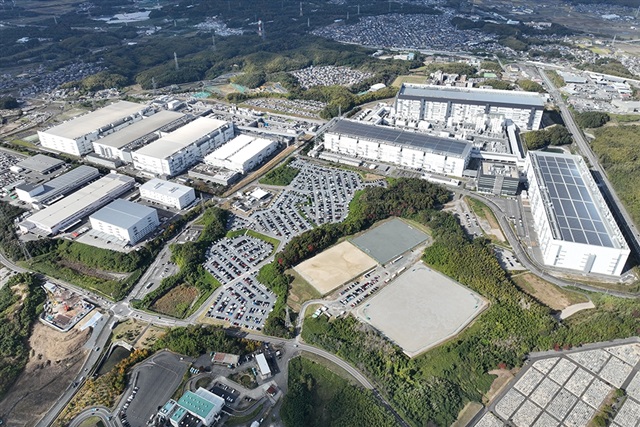
Kioxia has signaled it will not chase another aggressive round of NAND price increases and has ruled out deeper manufacturing ties with SK Hynix, leaning instead on longer customer contracts and measured capacity expansion. New CEO Hiroo Ota, in the role since April, has reportedly told sales teams to hold the line rather than push customers harder, with Apple, at roughly 20% of revenue, an implied beneficiary.
This is a counterintuitive move in a cycle where every memory maker has license to extract maximum margin. Data-center appetite for high-density storage has kept the market tight, and the reflexive playbook would be to ride the spot-price wave. Kioxia is instead trading near-term margin upside for supply-chain trust and volume predictability. The logic is defensible: memory is brutally cyclical, and suppliers who gouge during shortages tend to lose share and pricing leverage when the glut returns. Locking in multi-year contracts smooths revenue and buys the capital-planning stability Kioxia needs after years of financial turbulence and its delayed public listing.
Ruling out deeper SK Hynix integration matters strategically. It preserves Kioxia's independence and its Western Digital fab partnership rather than folding into a Korean-led bloc, keeping the competitive map fragmented enough that hyperscalers retain multiple credible NAND sources. For AI-datacenter buyers, that diversity is a hedge against a two-supplier oligopoly dictating terms.
For Japan, Kioxia remains the country's most consequential memory asset and a rare domestic anchor in a semiconductor landscape otherwise dominated by foreign fabs. Tokyo's industrial policy has bet heavily on rebuilding chip sovereignty via Rapidus and TSMC's Kumamoto plants, but storage is where Japan already holds a genuine seat at the table. A disciplined, independence-preserving Kioxia strengthens that hand.
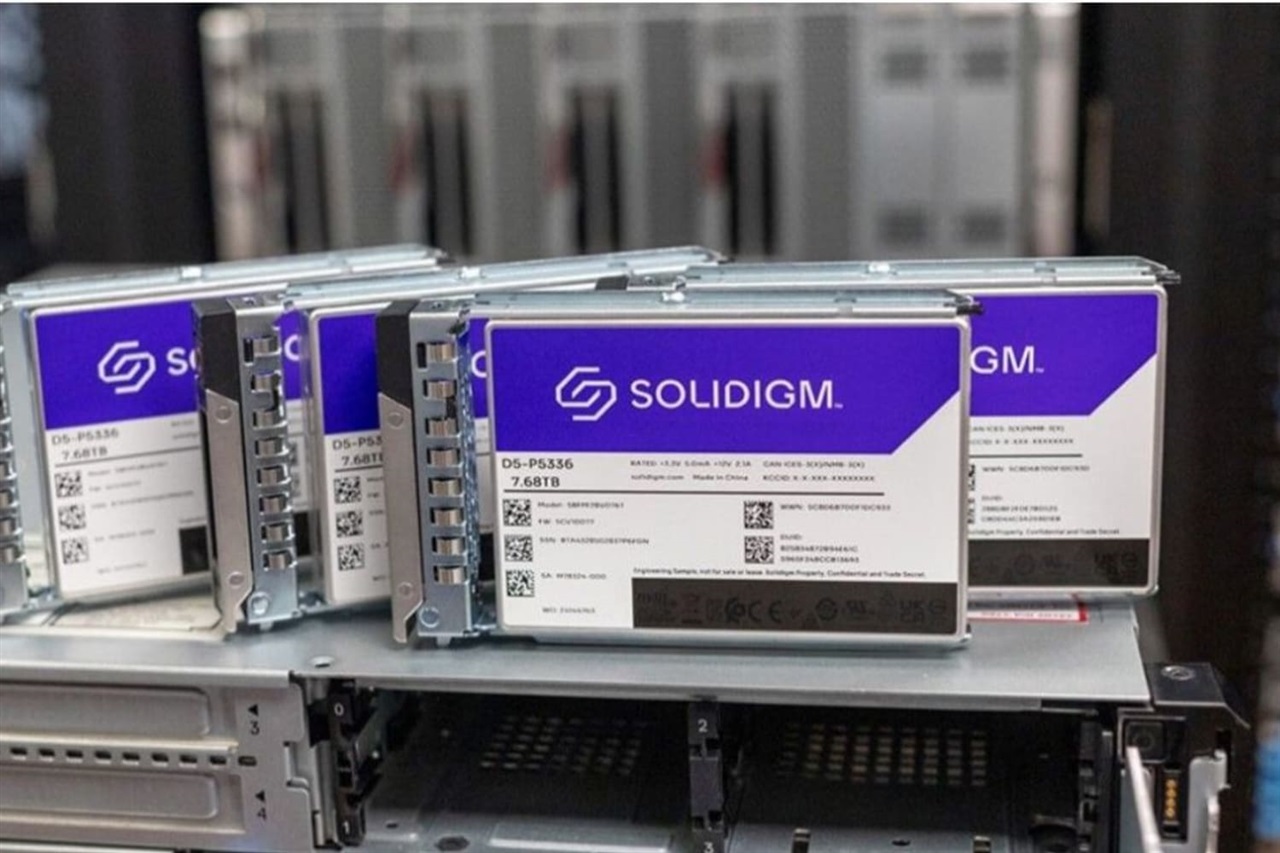
For Japanese enterprises, SIers, and cloud-infrastructure teams, the near-term read is pragmatic: NAND cost inflation may plateau rather than spike, easing storage-budget pressure on the AI and data-platform buildouts that system integrators are now provisioning for clients. Procurement teams negotiating multi-year storage contracts should treat this as a window to lock favorable terms before the next demand shock, while modeling scenarios where tight data-center supply keeps enterprise SSD availability constrained regardless of headline pricing.