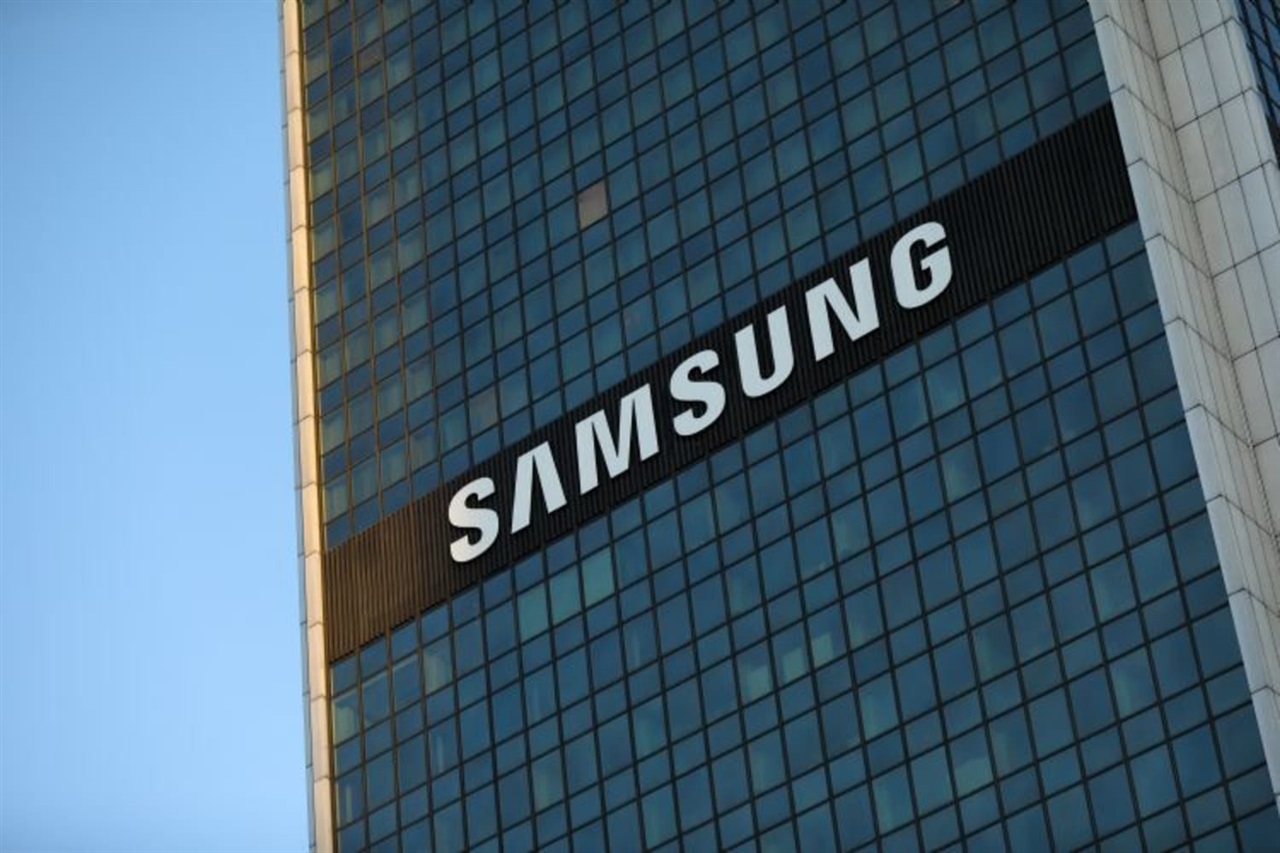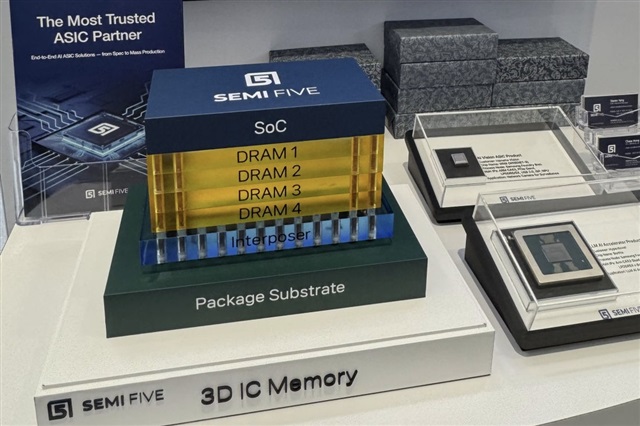
SEMIFIVE has moved HyperAccel's data center inference accelerator into mass production on Samsung Foundry's 4nm node, its first large-scale run on the process, at a moment when Samsung's SF4 line is booked to capacity. The detail that matters is not the tape-out but the timing: leading-edge slots are now the binding constraint on the AI silicon economy.
The strategic story here is the quiet bifurcation of AI compute. Training gets the headlines and the Nvidia margins, but inference is where the recurring cost lives, and every hyperscaler and well-funded model lab is now trying to escape general-purpose GPUs for purpose-built accelerators that do one job cheaply at scale. Custom-silicon houses like SEMIFIVE are the arms dealers of that shift, turning a fabless design idea into a shippable part without the customer owning a foundry relationship. What was a design problem two years ago has become a capacity-allocation problem today.
That reframes the Samsung-versus-TSMC contest. TSMC's leading edge is effectively sold out, so a credible, available 4nm alternative at Samsung is worth more than a marginal PPA advantage. For any company outside the top tier of buyers, the real question in 2026 is not which node is best but which fab will actually give you wafers. Capacity, not process leadership alone, is becoming the moat.
For Japan, this is an uncomfortable mirror. The national bet on Rapidus and the broader push to rebuild domestic leading-edge capability assume that owning the process is the prize. But this program shows the missing layer is the design-services and IP-integration ecosystem that turns Japanese fabless ambition into production parts. Japan has strong materials, equipment, and packaging positions and a thin custom-SoC middle. Without domestic equivalents to these silicon-platform firms, Japanese AI chip efforts risk depending on Korean or Taiwanese design partners and foreign fab slots regardless of what gets built at home.
For SIers and enterprise IT teams, the near-term signal is procurement, not fabrication. Inference-optimized accelerators entering volume production should widen the menu beyond GPUs and eventually pressure the unit economics of AI services embedded in systems integration contracts. The teams that start modeling multi-silicon inference architectures now, rather than assuming a single GPU vendor, will hold the pricing advantage when supply loosens.