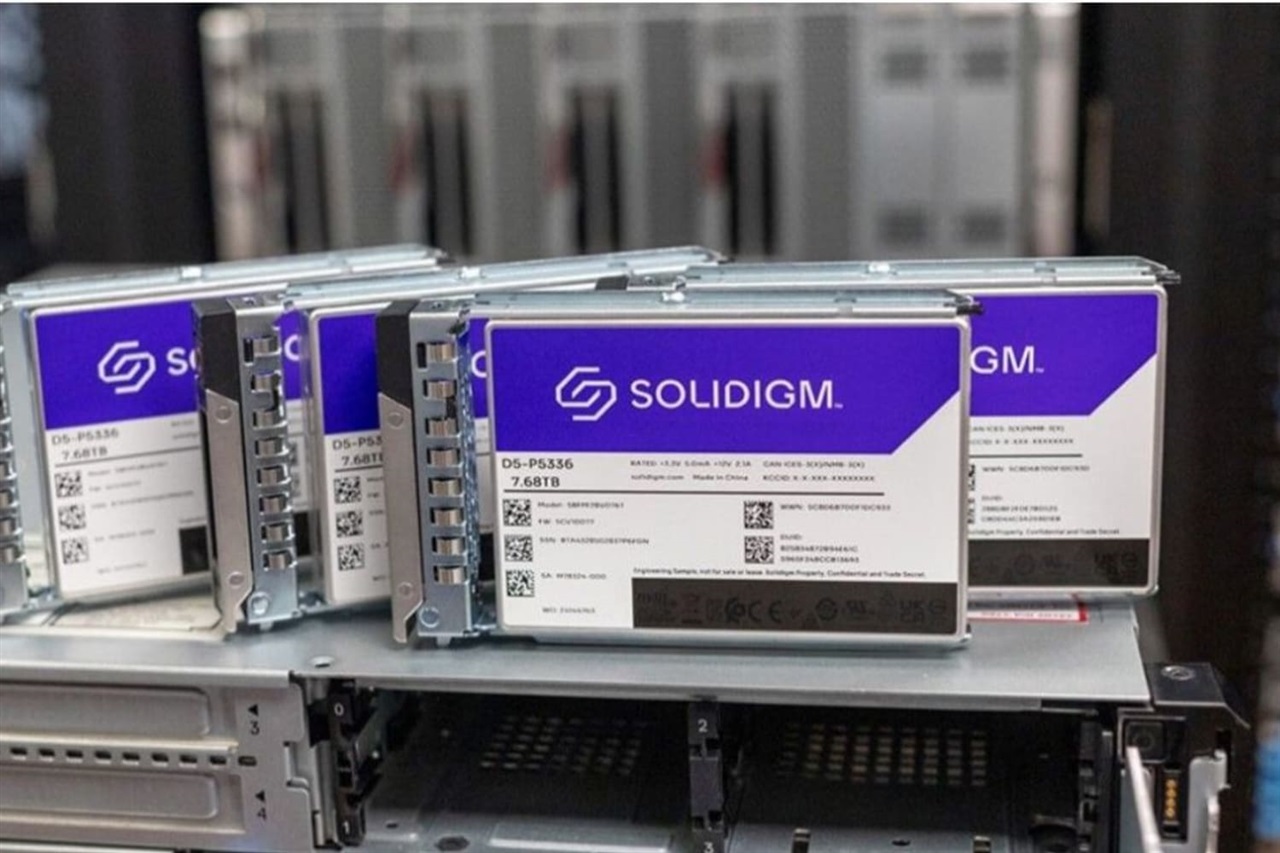
Kioxia and Sandisk plan more than $31 billion in Japanese flash-memory expansion, framed as securing stable supply and reinforcing a US-Japan manufacturing partnership as AI infrastructure demand climbs.
The number matters less than the moment. This commitment arrives just as the industry confronts a broad RAM squeeze severe enough that platform owners are now telling developers to ration memory. That backdrop reframes the announcement: it is not opportunistic capacity chasing a boom, but a defensive move to avoid being caught short in a cycle where AI training clusters, inference at the edge, and higher-density smartphones are all pulling on the same constrained pool of NAND and DRAM. Capital of this size takes years to convert into wafers, so the near-term effect is psychological—signaling to hyperscalers and OEMs that a stable, non-China-centric supply base is being deliberately underwritten. Expect memory pricing to stay firm through the build-out, and expect procurement teams to treat multi-year supply agreements, not spot buys, as the new normal.
For Japan, this is a rare instance where the country sits upstream of an AI trend rather than downstream of it. Kioxia's Yokkaichi and Kitakami footprint makes Japanese memory a genuine strategic asset in the US-Japan alliance, and the investment strengthens Tokyo's argument that it can host resilient, allied semiconductor supply. That geopolitical leverage is real, but it does not automatically flow to the domestic tech economy.
For Japanese enterprises, SIers, and development teams, the practical takeaway is cost, not pride. Rising memory prices feed directly into server refresh cycles, on-prem AI hardware, and cloud instance pricing—precisely the line items ballooning as firms pilot generative AI. SIers scoping AI projects for clients should model memory-driven infrastructure inflation into multi-year TCO now, rather than assuming the usual downward price curve. RPA and edge-device vendors reliant on cheap flash face margin pressure. The winners will be teams that treat memory as a scarce, budgeted resource: optimizing model footprints, favoring efficient inference, and locking supply terms early rather than betting the constraint eases on its own.