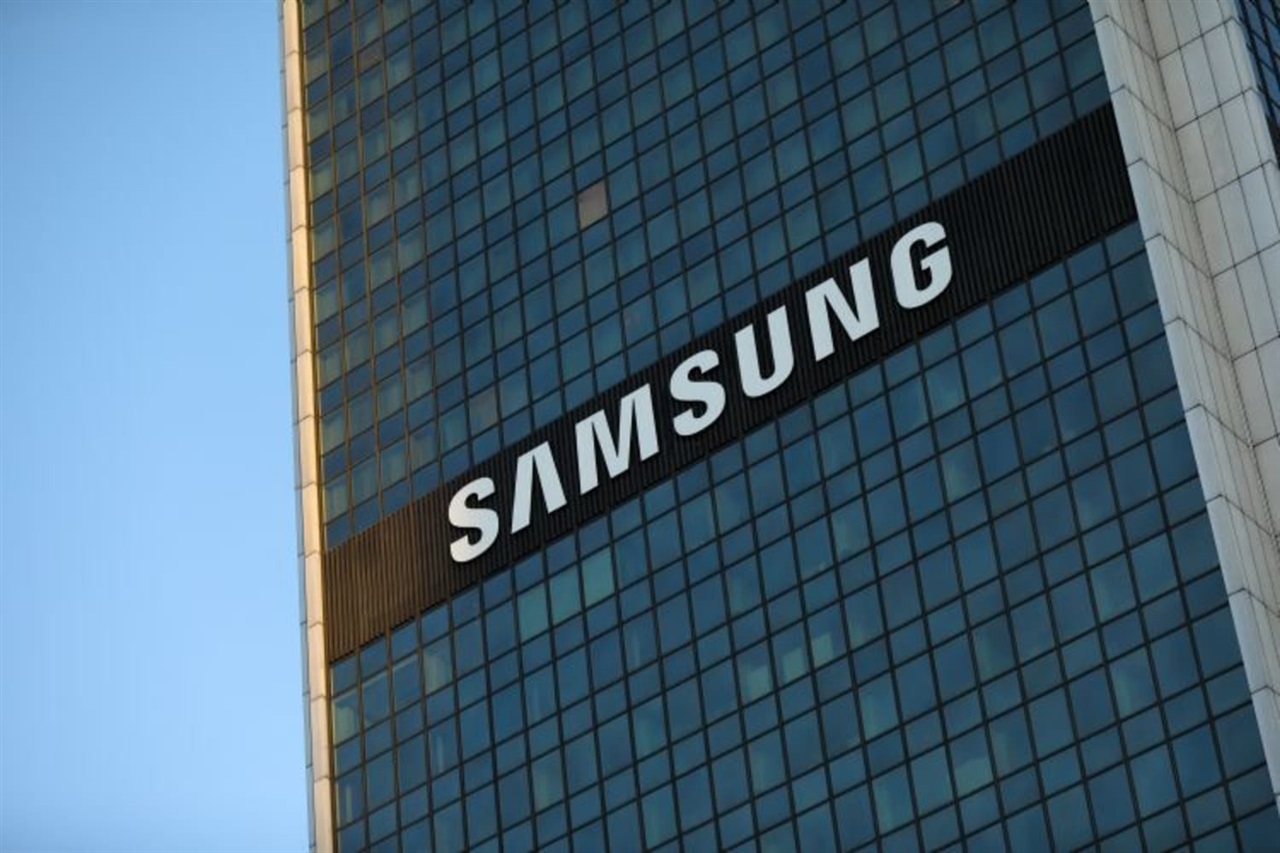
Samsung and SK Hynix keeping key memory, display, and MLCC lines running through Chuseok is not a scheduling footnote. It is the clearest operational signal yet that two of the industry's largest demand cycles, AI datacenter buildout and the annual iPhone ramp, are now peaking in the same window and drawing on an overlapping component base. When a supplier forgoes its most important national holiday, the message is that backlog, not caution, governs the floor.
The global implication is concentration risk. HBM allocation for AI accelerators and premium OLED plus MLCC volume for a new iPhone generation both flow through a narrow set of Korean and adjacent Asian suppliers. For hyperscalers, that means memory pricing and lead times are now hostage to consumer-electronics seasonality they do not control. For Apple and its rivals, it means competing for wafer starts, substrate, and passive components against an AI capex wave with effectively unlimited budget tolerance. The near-term result is firmer memory pricing and tighter advanced-packaging capacity into 2026, a dynamic that squeezes anyone buying compute or building premium hardware.
There is also a signal in the CEO transition and foldable roadmap sitting behind this demand. A foldable flagship reshapes the panel and hinge supply chain and pulls more differentiated display volume into the same constrained lines, deepening the collision rather than easing it.
For Japan, the exposure is specific and material. Japanese suppliers sit directly in this stream: Murata and TDK in MLCCs, Shin-Etsu and SUMCO in wafers, JSR and Tokyo Electron across materials and equipment. Sustained round-the-clock Korean output is a demand pull that lifts these firms but also stress-tests their own capacity discipline. The risk for Japanese component makers is over-committing to a peak that is partly cyclical iPhone demand dressed as structural AI growth.
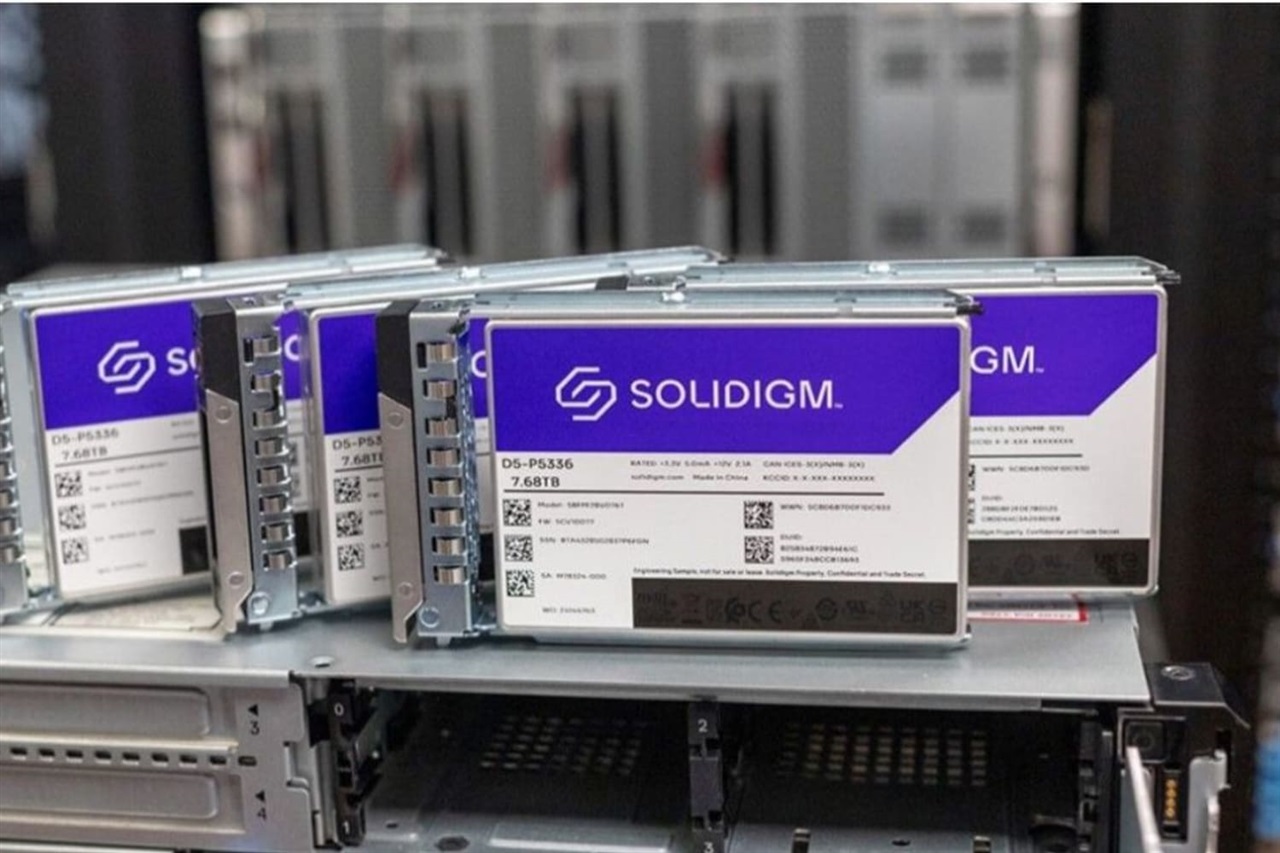
For Japanese enterprises and SIers, the practical takeaway is procurement, not manufacturing. GPU-server and storage lead times feeding domestic cloud and on-prem AI projects will tighten as memory tightens. SIers scoping AI infrastructure for enterprise and public-sector clients should build longer hardware lead times and price volatility into 2026 proposals, and hedge by designing workloads that can run on mixed or leased compute rather than assuming timely on-schedule delivery of top-bin accelerators.