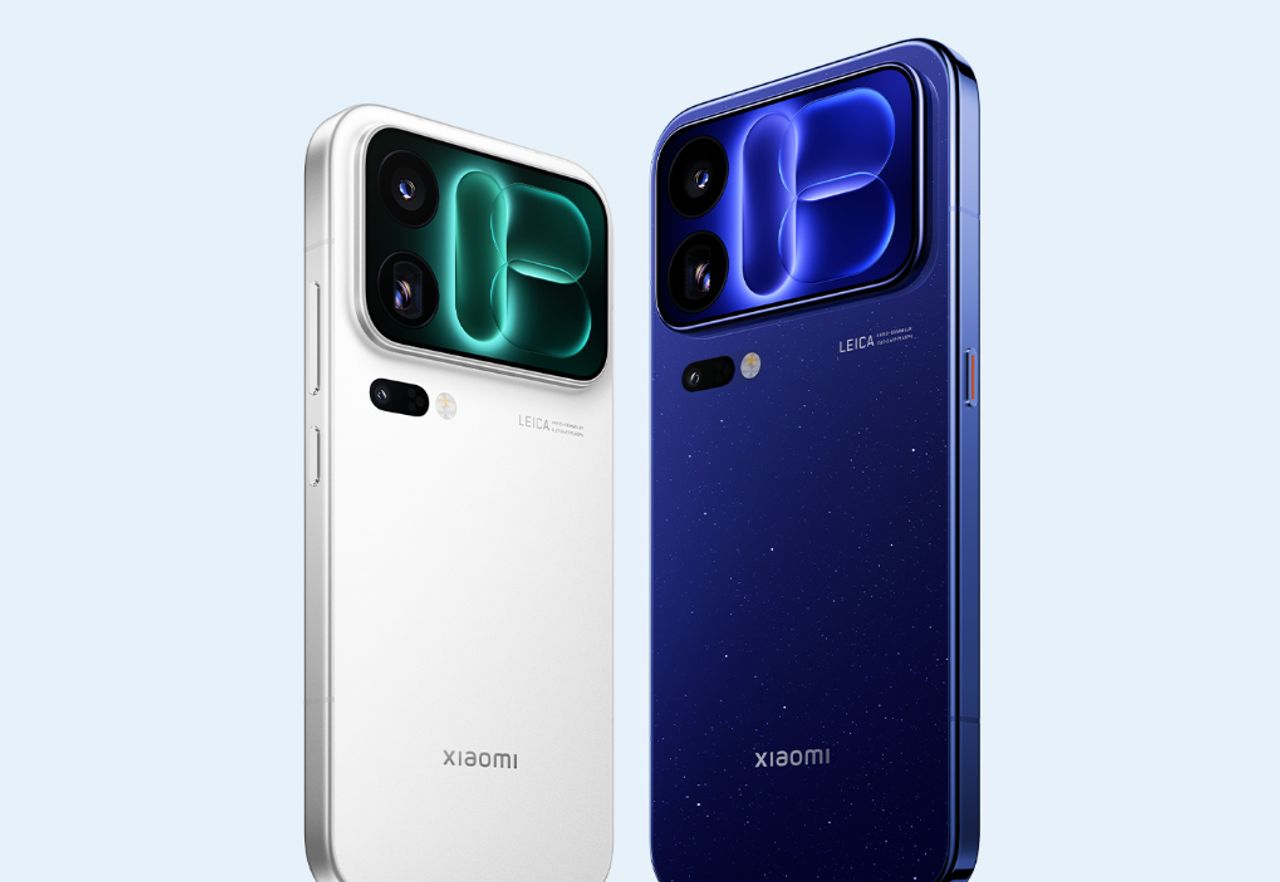
Xiaomi's 18 Pro is the vehicle, but the payload that matters to executives is foundry politics. The device is the first to carry Qualcomm's sixth-generation Snapdragon 8 Elite on a 2nm node, and Qualcomm has chosen TSMC to fabricate both of its new 2nm flagships rather than split allocation to Samsung. That single sourcing decision, more than any camera or battery spec, defines the competitive contours of leading-edge mobile silicon for the next 18 months.
Globally, this cements a familiar pattern: at every node transition, the highest-margin, highest-visibility design wins gravitate to TSMC because yield maturity and power-performance headroom at launch determine flagship differentiation. Samsung's second-generation 2nm ramp and its aggressive customer-acquisition push are real, but winning marquee accounts like Qualcomm requires proving yield at volume, not just tape-out capability. The risk for the industry is structural concentration. When the world's premium mobile SoCs, plus AI accelerators and much of the datacenter roadmap, all funnel through one Taiwan-based supplier, geopolitical and single-point-of-failure exposure compounds with each node. Buyers gain performance; the supply chain loses resilience.
For Xiaomi specifically, being first-to-2nm is a positioning move against Apple and Samsung in the premium China tier, but it also ties its flagship cadence directly to TSMC's allocation priorities, where Apple typically sits at the front of the queue. That dependency shapes launch timing and margins in ways spec sheets never reveal.
For Japan, the read-through runs through the materials and equipment layer rather than the handset. Japanese suppliers — photoresist, high-purity chemicals, wafer and specialty-gas vendors, and precision equipment makers — are embedded in exactly the 2nm supply chains this news reinforces. A durable TSMC-Qualcomm relationship at the leading edge sustains demand for these upstream inputs, which is where Japan's real semiconductor leverage sits, not in domestic logic fabrication. It also raises the stakes for Rapidus: the 2nm frontier is now a shipping product in a Chinese flagship, compressing the window in which a late entrant can claim relevance.
For Japanese enterprises and SIers, the practical implication is device-fleet and edge-AI planning. As 2nm NPUs push more inference on-device, corporate mobility strategies and the AI features SIers build into enterprise apps should assume rising on-handset compute rather than defaulting to cloud round-trips. Procurement teams evaluating premium Android fleets should also watch node-driven supply timing, since foundry allocation, not vendor promises, will govern availability of the newest silicon.