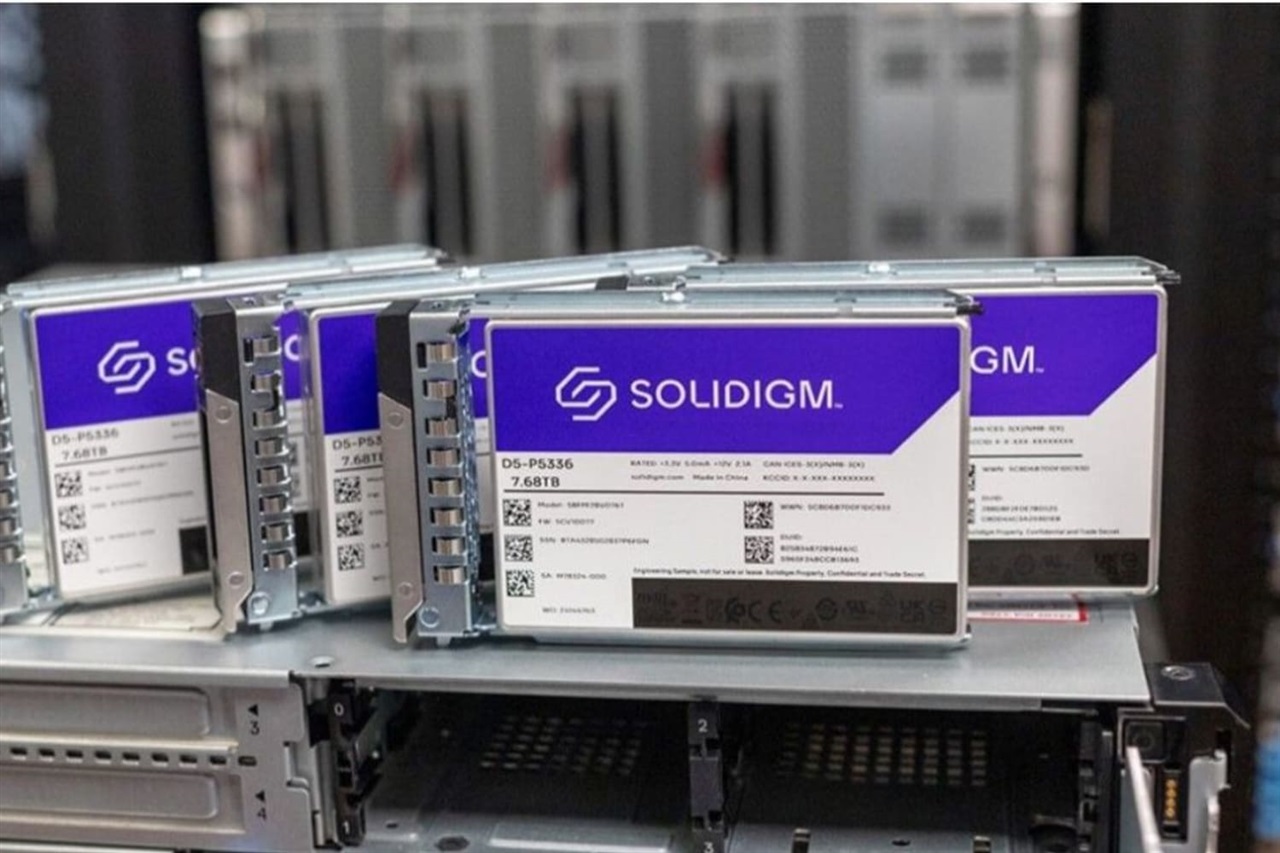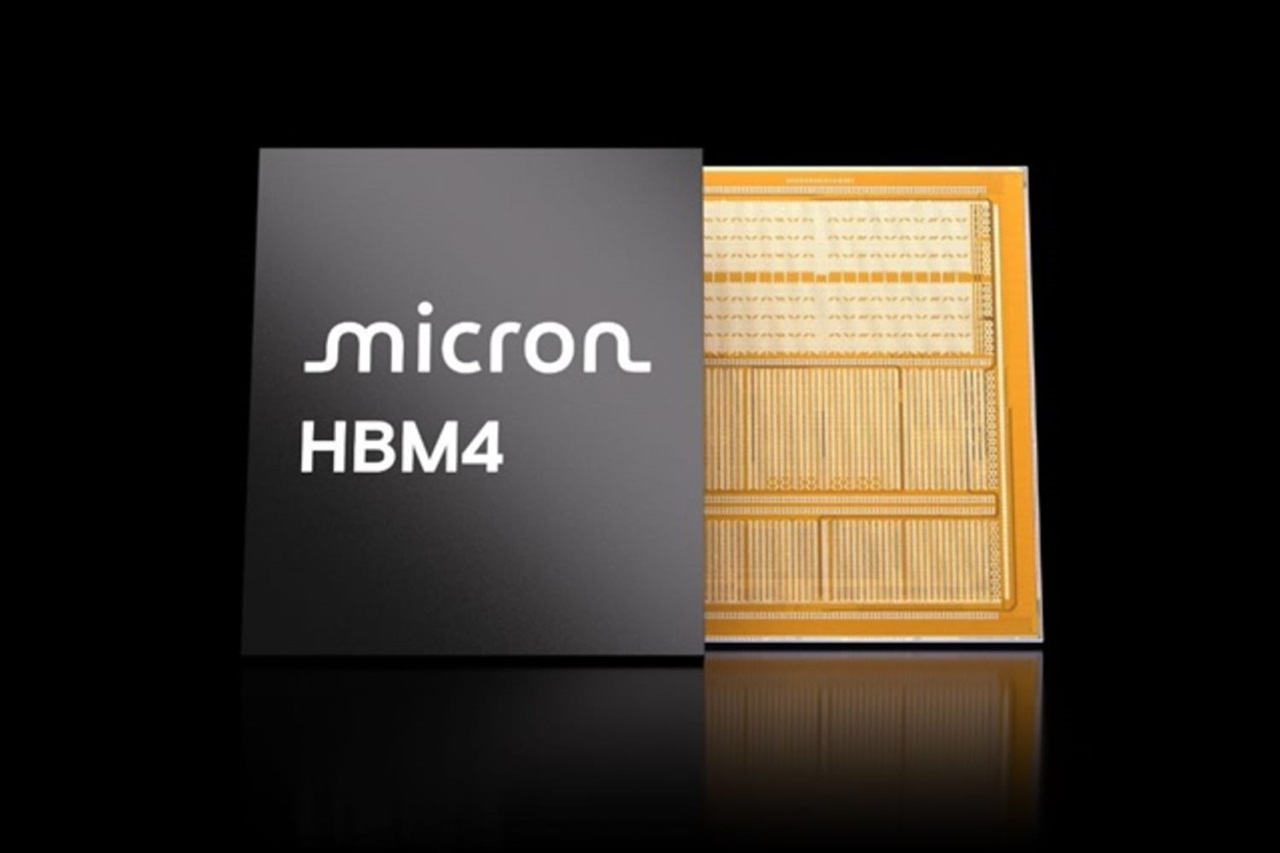
The signal here is not the shortage itself but who is now signing the contracts. Long-term agreements spreading from Samsung, SK hynix, and Micron down to Sandisk, Nanya, and CXMT means buyers no longer trust that spot markets or the top three alone can cover them. That is a structural shift: memory is being treated less like a commodity you buy when you need it and more like a strategic input you lock in years ahead, the way cloud firms already contract for power and GPUs.
The global mechanism is a diversion of wafer capacity toward HBM and high-margin AI memory, which starves conventional DDR5 and NAND supply. The result flows straight into device economics. PC and server OEMs face rising bills of materials with limited ability to pass through cost without denting demand, and hyperscalers absorbing memory scarcity on top of the power constraints hitting AI datacenter buildouts. Pulling Chinese suppliers like CXMT into Western supply chains also carries a policy tail: any export-control tightening could strand those contracts overnight.
For Japan, the exposure is unusually direct. Kioxia sits inside the NAND squeeze, and a tighter, higher-priced market is a margin tailwind but also a capacity-allocation dilemma. On the demand side, Japanese PC and server vendors and the enterprises that buy from them face refresh cycles getting more expensive just as Windows and AI-PC upgrades were meant to drive volume.
The sharper pain lands on SIers and corporate IT. Japanese enterprise procurement still runs on annual budgets and fixed-price integration deals, a model that assumes stable hardware pricing. When memory costs jump mid-project, fixed-bid contracts erode margin, and the SIer eats the difference. Firms running large on-prem estates or scaling RPA and on-prem AI inference will feel it fastest, since those workloads are memory-hungry.
The practical move for Japanese buyers and integrators is to shift from just-in-time to just-in-case: negotiate multi-year memory clauses, build price-escalation terms into integration contracts, and stress-test 2026 hardware budgets against a market that has stopped behaving like a commodity.