Amazon is lifting Echo, Fire TV and Kindle prices by as much as 60%, blaming rising memory and storage component costs. Separately, SK Hynix detailed how it is using advanced packaging, including Intel's EMIB, to scale next-generation HBM toward 3D structures.
These two data points describe a single macro event: the memory market has flipped from glut to scarcity, and AI is the cause. Every wafer and packaging line diverted to high-margin HBM for accelerators is capacity no longer producing commodity DRAM and NAND. When SK Hynix, Micron and Samsung optimize for HBM economics, the marginal bit of standard memory gets scarcer and pricier. That cost is now surfacing at the far end of the chain, in a $50 smart speaker. The strategic signal for executives is that AI infrastructure spending is no longer a line item confined to hyperscaler capex. It is a tax on all silicon-bearing hardware, from routers to refrigerators to game consoles, and it will compress margins across consumer electronics through at least the next product cycle.
The deeper story is architectural. HBM's move into EMIB-class packaging and eventual 3D stacking means memory is becoming a co-designed, capacity-constrained specialty product rather than a fungible commodity. That structurally reduces the supply elasticity that historically corrected memory price spikes within a few quarters. Buyers should plan for a longer, stickier upcycle.
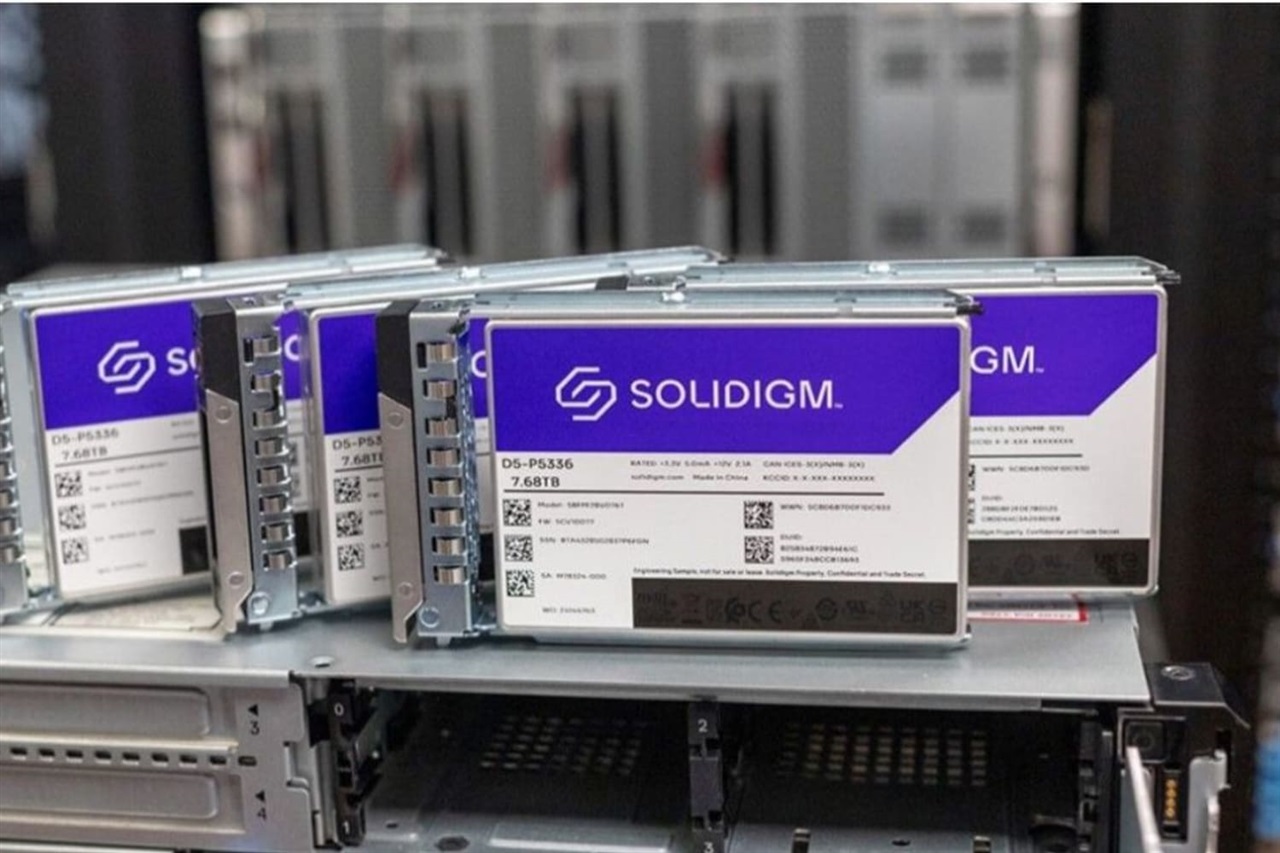
For Japan, the exposure runs deep and cuts both ways. Kioxia sits directly in the NAND supply squeeze, which strengthens its pricing power but sharpens the strategic stakes of its capex and any consolidation moves. On the demand side, Japanese device makers face real pain: Nintendo's next-gen consoles, Sony's hardware lines, and countless embedded-electronics firms carry heavy memory bills of materials, and yen weakness amplifies every dollar-denominated increase. Enterprise IT feels it too. SIers planning server refreshes, on-prem AI clusters, and endpoint fleet upgrades for 2026-2027 should assume double-digit memory-driven hardware inflation and rebuild procurement and TCO models now, rather than absorbing surprise cost overruns mid-project. The winning play for Japanese buyers is to lock forward supply agreements, prioritize memory-efficient architectures, and treat the AI memory tax as a permanent planning assumption, not a passing shock.