India's Raana Semiconductors is in advanced talks to raise roughly $10.4 million in Series A funding to expand its work in semiconductor and advanced-material crystal growth. The number is tiny by chip-industry standards, but the segment it targets is not.
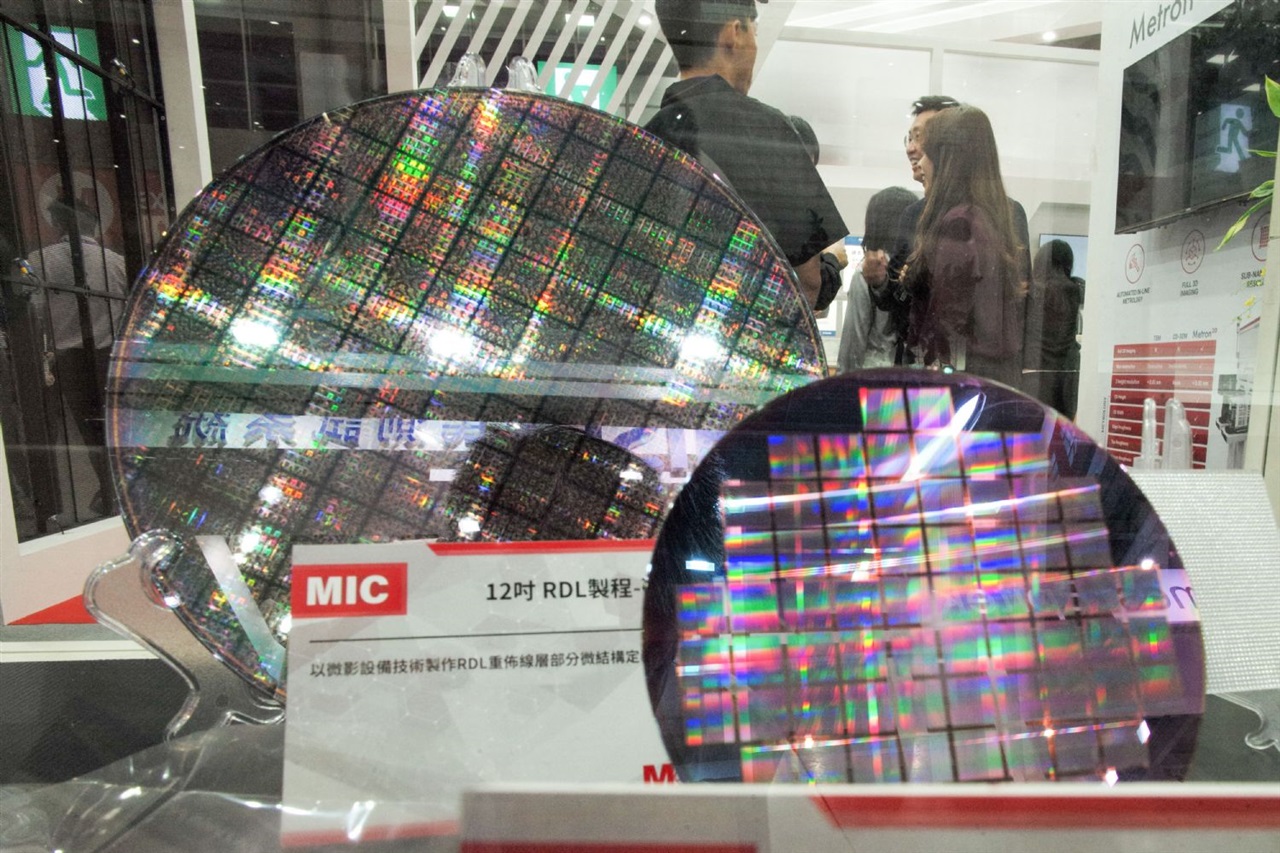
Most policy attention and capital in the semiconductor buildout flows to fabs and packaging, the visible end of the chain. Crystal growth sits far upstream: the ingots and substrates from which wafers are sliced, and increasingly the compound-semiconductor materials like silicon carbide and gallium nitride that power EVs, fast chargers, and radar. This layer is capital-light relative to a leading-edge fab yet strategically dense, because a fab is only as reliable as the material feedstock beneath it. A funding round this size buys R&D and pilot capacity, not scale, which tells you Raana is positioning as a specialist supplier rather than a national champion. It also fits India's realistic path into semiconductors: start where the entry cost is lower and the knowledge moat is chemistry and process discipline rather than EUV lithography.
For global executives, the signal is that materials sovereignty is becoming its own theme inside the broader chip-nationalism story. Governments have learned that subsidizing a fab means little if substrates, gases, and photoresists still come from two or three suppliers concentrated in one geography. Expect more small, sovereign-backed materials plays across India, the Middle East, and Southeast Asia.
For Japan, this is squarely relevant. Japanese firms are among the most entrenched incumbents in exactly this upstream layer, dominating silicon wafers and holding deep positions in specialty materials and compound-semiconductor substrates. An Indian entrant at seed-to-Series-A scale is not a near-term threat to that position, but it is an early marker of where competition and second-source demand will emerge over the next decade. The pragmatic move for Japanese materials suppliers and trading houses is engagement rather than dismissal: India-Japan supply-chain diplomacy is already active, and licensing, joint pilots, or minority stakes let incumbents shape an emerging ecosystem while diversifying their own manufacturing footprint away from single-country risk.
For Japanese SIers and enterprise buyers the direct impact is thin, but the derivative one matters. Materials supply is the hidden variable behind the memory and component cost inflation now reaching consumer hardware. A more diversified upstream base is, over time, a hedge against the pricing shocks that ripple all the way into procurement and IT capex.