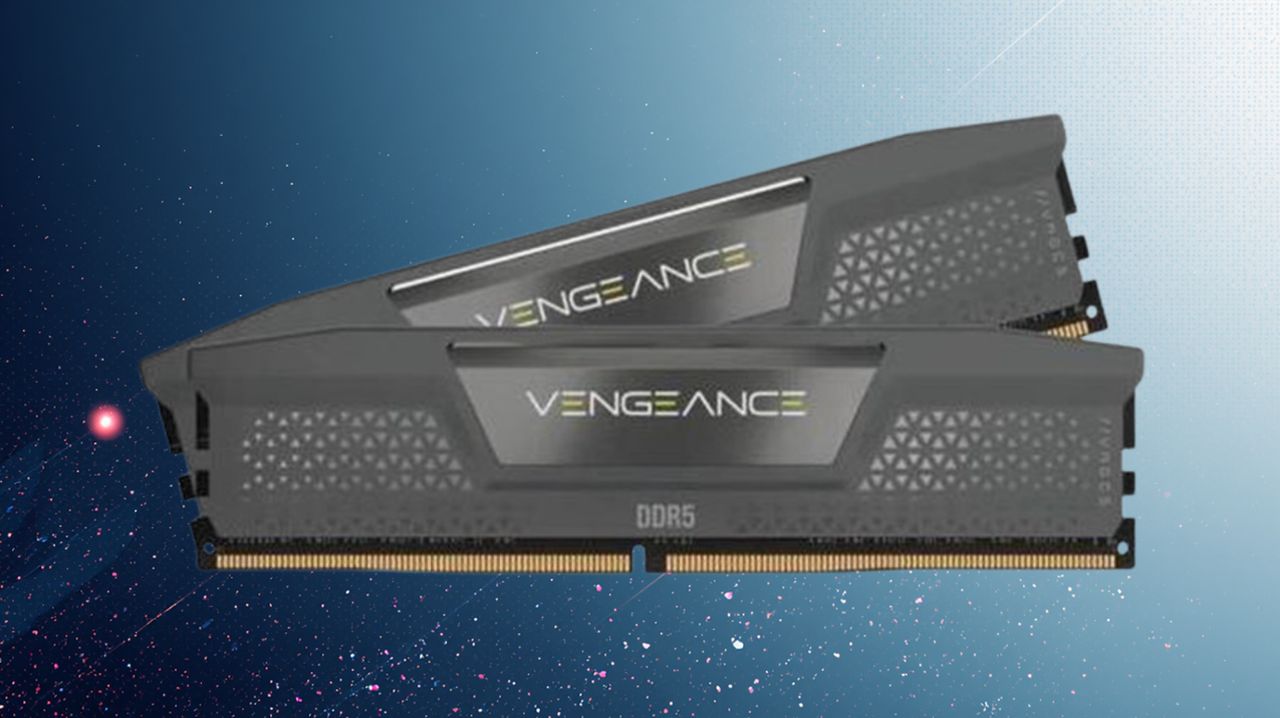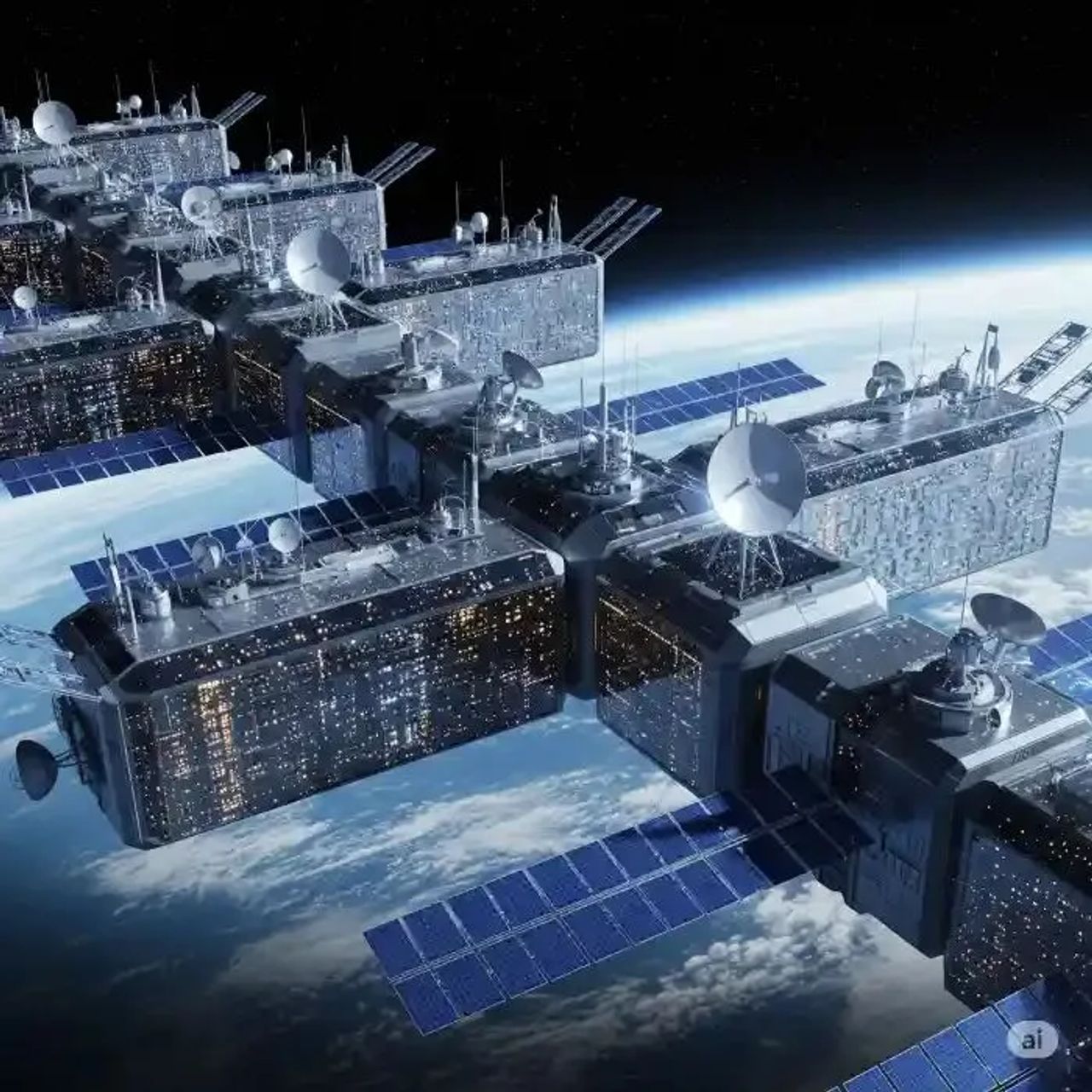
SpaceXAI's first Starmind satellite, slated to launch next year, is to be built on Nvidia's Vera Rubin NVL72 rack-scale system—effectively porting a terrestrial AI datacentre design into orbit. That single detail matters more than the moonshot framing suggests.
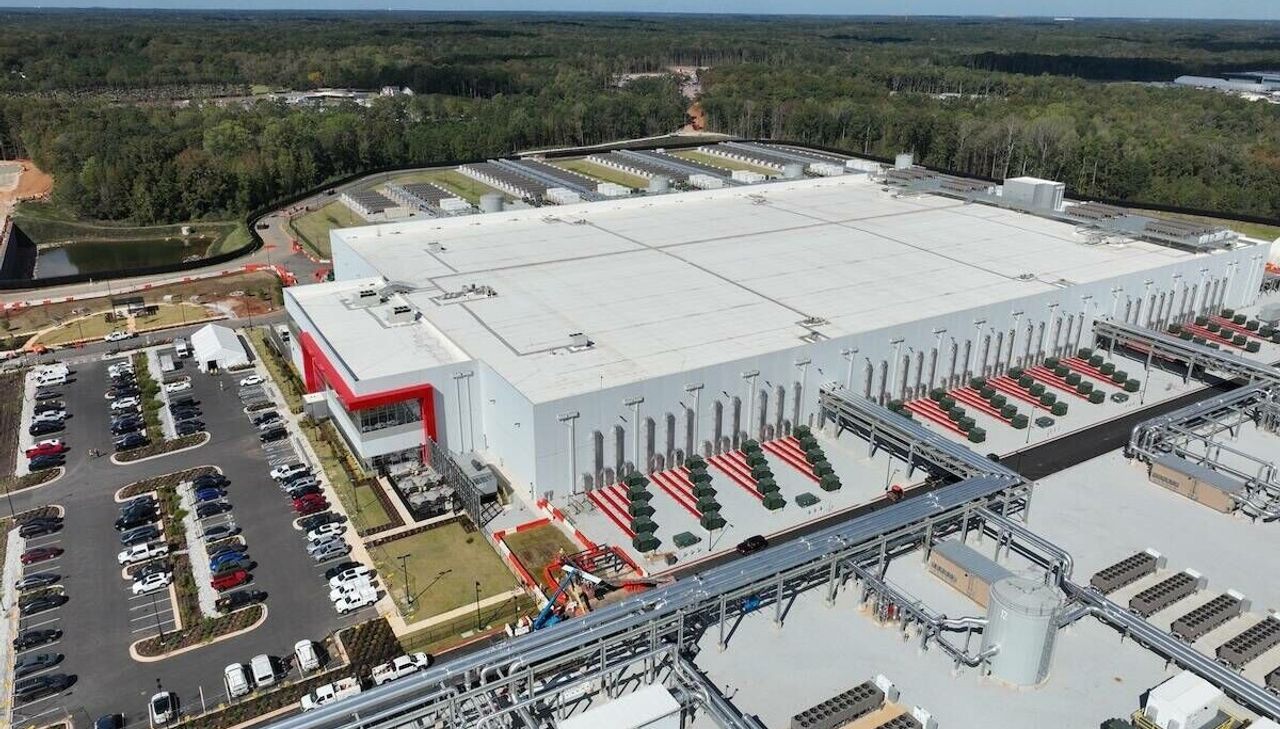
The strategic logic is about physics, not spectacle. AI training is now gated less by chips than by power, water, and thermal headroom, and grids in the US, Ireland, and Northern Virginia are already saturated. Orbit offers near-constant solar input and radiative cooling into a vacuum with no municipal permitting fight. If launch costs keep falling, the marginal argument shifts from 'why space' to 'why not park the least latency-sensitive workloads—model training, batch inference, archival compute—where power is free at the panel.'
The counterweights are real. Radiative cooling is slow and hard to scale to megawatt racks, radiation degrades commercial silicon, and you cannot send a technician to reseat a failed node. Downlink bandwidth caps what you can move in and out, so orbital compute suits self-contained jobs, not chatty enterprise apps. Expect this generation to be a proving ground, not a revenue center. The signal for executives is directional: Nvidia is now designing for environments no hyperscaler controls, and compute geography is becoming a competitive variable.
For Japan, the read is sharper than it first appears. Domestic datacentre expansion is throttled by grid capacity, land scarcity, and cooling costs—the exact constraints orbit sidesteps. NTT and Japanese carriers have publicly floated space-integrated computing concepts, and this move validates that thesis while raising the bar on execution. Japanese SIers should treat orbital and edge-distributed compute as a coming architecture question, not science fiction: workload placement, data residency, and latency budgeting will need frameworks that assume compute may sit off-planet.
The near-term opportunity for Japanese firms sits in the supply chain and the ground segment—radiation-hardened components, thermal materials, precision optics, and downlink infrastructure where Japan retains genuine strength. RPA and enterprise dev teams see no immediate change; core business systems stay firmly terrestrial. But CTOs and investors should watch whether orbital compute reframes the AI capacity race from 'who buys the most GPUs' to 'who can power and cool them anywhere,' a contest where Japan's energy and space-tech assets could finally count.