Two Chinese Apple suppliers reported sharply different first-half results, with Lens Technology's net income nearly halving to 577 million yuan (US$85.8 million) on revenue down 12.4 per cent to 28.9 billion yuan, as rising memory prices ate into margins.
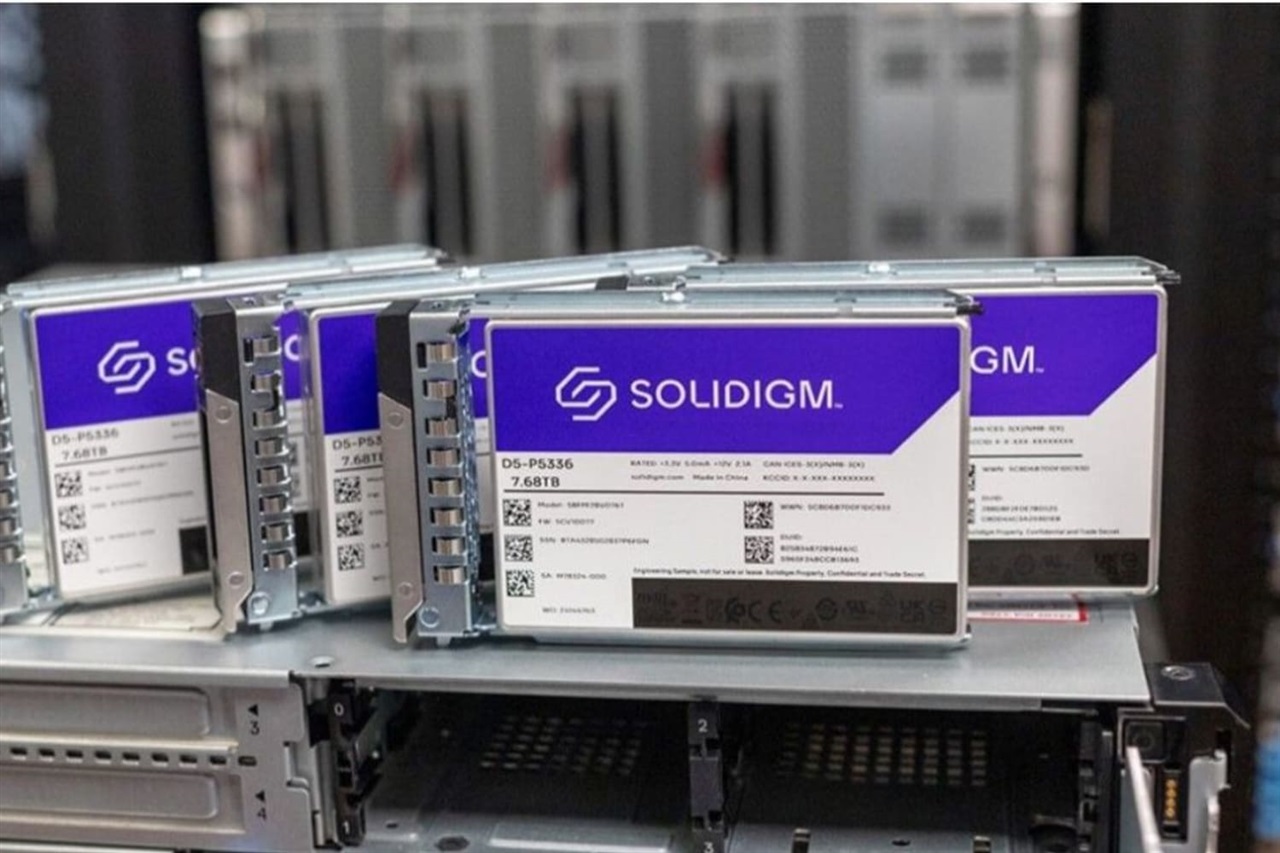
The real story sits upstream. The current memory supercycle is not driven by phones or PCs but by AI infrastructure, where hyperscalers are absorbing high-bandwidth memory and premium DRAM capacity faster than fabs can add it. That demand pull is draining supply from the consumer tier and repricing the commodity components that every handset assembler and glass maker builds around. The result is a margin transfer up the value chain: memory vendors capture the pricing power while downstream fabricators, who cannot pass costs to Apple's fixed bill of materials, eat the squeeze. The divergence between suppliers is a preview of how AI capex indirectly taxes the entire consumer electronics economy.
For executives, the lesson is that AI's balance-sheet gravity now reaches into product lines that have nothing to do with AI. A foldable or feature-rich iPhone cycle may lift unit volumes, but volume gains at compressed component margins do not rescue suppliers whose costs are set in a market they do not control. Betting on a second-half hardware rebound to offset input inflation is a fragile thesis when the inflation itself is structural, not seasonal.
For Japan, the implications cut two ways. Kioxia and the broader Japanese memory and materials base stand to benefit from tight NAND and DRAM pricing, and equipment and chemical suppliers gain leverage as fabs prioritize AI-grade output. But Japanese electronics assemblers, automotive-electronics buyers, and any manufacturer reliant on commodity memory face the same cost wall as Apple's suppliers, with weaker pricing power to absorb it.
For Japanese SIers and enterprise IT teams, this is a procurement and planning signal. Server, storage, and edge-device refresh budgets should assume elevated memory costs persisting through the AI buildout, not a near-term normalization. On-premise AI deployments and RPA-adjacent hardware upgrades will carry heavier bills, strengthening the case for cloud consumption models where memory cost risk sits with the provider. Fixed-price system integration contracts signed against last year's component assumptions are the exposure to watch.