The core shift is simple to state and hard to engineer around: modern CPU cores and GPUs can execute arithmetic far faster than the memory subsystem can deliver the data those units need. Peak throughput on a spec sheet is now a ceiling most workloads never touch, because the real bottleneck is bandwidth and latency, not compute.
Globally, this reframes how the industry should value silicon. For a decade the headline metric was FLOPS, and marketing followed. But AI inference, recommendation systems, and large-scale analytics are overwhelmingly bandwidth-bound, which is why high-bandwidth memory has moved from a niche to the single most contested component in the datacenter supply chain. The strategic consequence is that whoever controls advanced memory and the packaging that stitches it next to compute captures disproportionate margin. GPU vendors increasingly compete on memory capacity and bandwidth per package as much as on core design, and the scarcity of HBM has become a gating factor on how fast AI capacity can actually be deployed. Energy follows the same logic: moving data costs far more power than the arithmetic itself, so efficiency roadmaps are now memory-and-interconnect stories, not clock-speed stories.
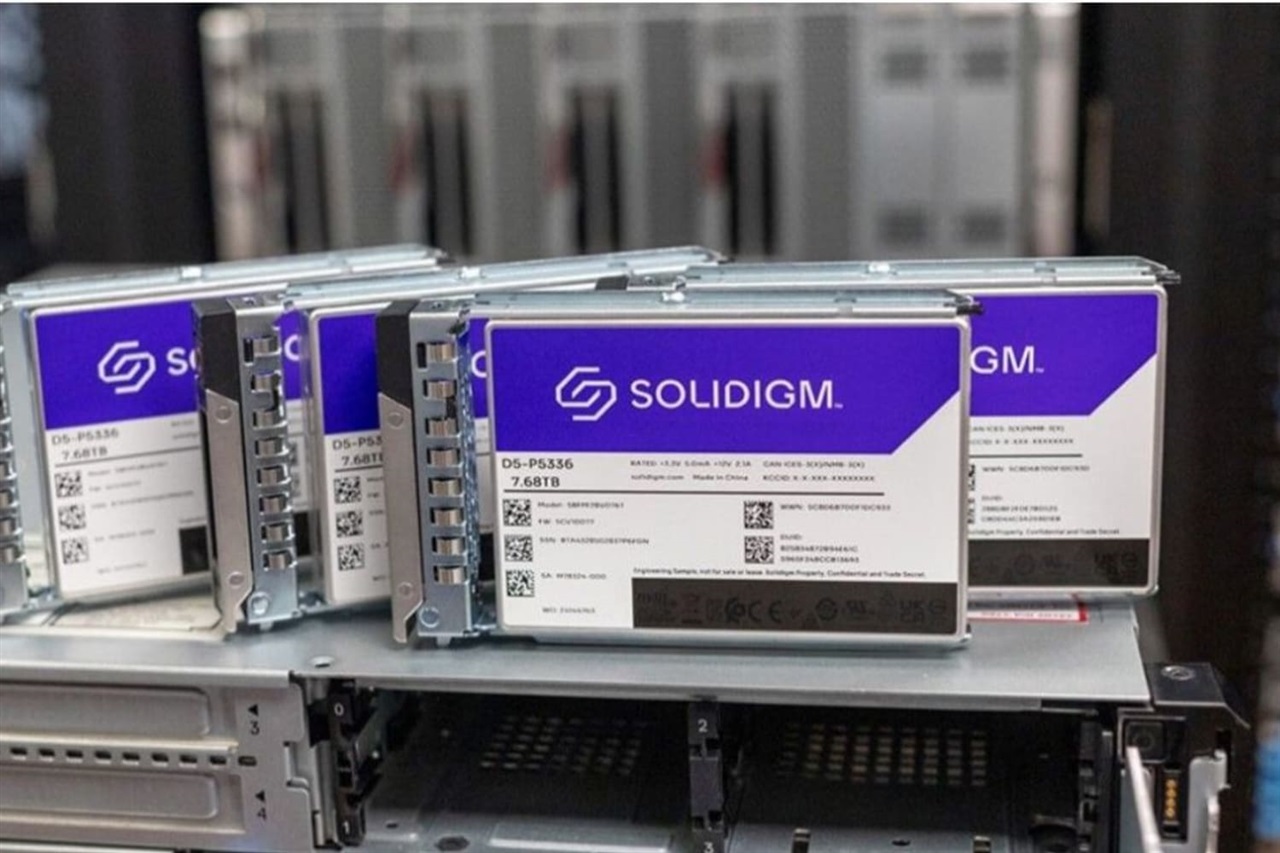
For Japan, the implication is unusually favorable in one layer and cautionary in another. Japan sits deep in the memory and advanced-packaging value chain through NAND production, semiconductor materials, and precision equipment, which means rising demand for bandwidth-centric architectures flows toward domestic suppliers of substrates, photoresists, bonding, and test. That is a durable position that FLOPS-era commentary tends to overlook.
The cautionary note lands on enterprise buyers and SIers. Japanese integrators still spec AI infrastructure on GPU count and theoretical throughput, then discover in production that memory bandwidth and data-locality choices determine whether a cluster delivers a fraction or the whole of its rated capability. The teams that win procurement in 2025 will benchmark on memory-bound workloads, model total cost including power for data movement, and design pipelines that keep working sets close to compute. For local development teams, the practical takeaway is architectural: quantization, caching strategy, and data layout now move the needle more than chasing the next headline accelerator.
Executives should treat memory as a strategic dependency, not a commodity line item. Capacity planning, vendor diversification, and workload-aware benchmarking are the levers that separate deployed AI value from stranded, underfed silicon.