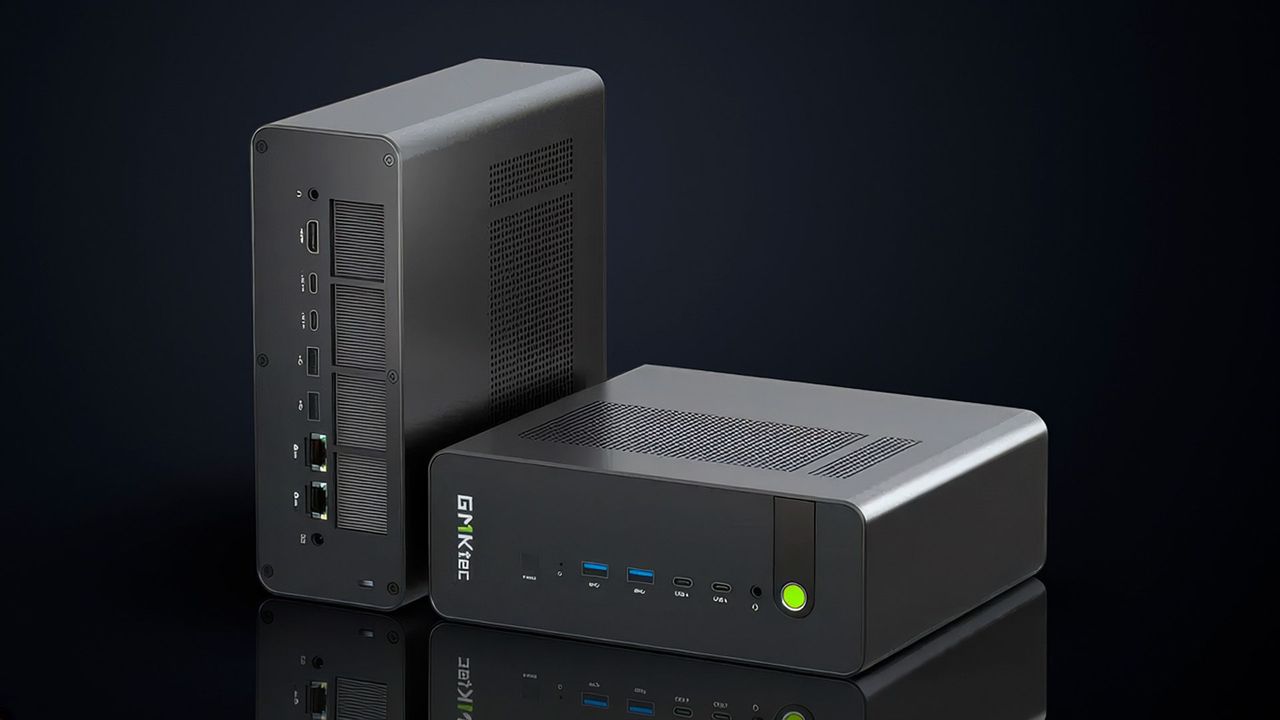
MSI has added a mini PC, the EdgeMesa N AI+, built on NVIDIA's top RTX Spark N1X SoC with 128GB of unified memory and up to 4TB of storage, positioned squarely at local AI workloads.
The strategic signal matters more than the spec sheet. For two years the industry assumed frontier AI would live in hyperscale datacenters, metered by the token. A wave of OEMs now standardizing on NVIDIA's Spark platform suggests a parallel track is forming: capable local inference on hardware that sits under a desk rather than in a rented rack. 128GB of unified memory is the threshold that lets sizable open-weight models run without constant cloud round-trips, and that changes the economics. Recurring API spend becomes a one-time capital purchase, latency drops, and sensitive data never leaves the building. NVIDIA wins either way, since it sells the silicon at both ends, but the cloud providers face a quieter erosion of the assumption that all AI demand routes through them.
The risk is that local hardware ages fast. A box optimized for today's model sizes can look underpowered in eighteen months, and buyers who over-invest in edge fleets may find themselves holding depreciating assets while the frontier moves on. The winners will treat local AI as a complement to cloud, not a replacement.
For Japan, this hits a genuine pain point. Regulated sectors — finance, healthcare, government, manufacturing — remain wary of sending proprietary or personal data to overseas cloud regions, and data-residency anxiety has slowed enterprise AI adoption. On-premise inference boxes offer a cleaner compliance story than any cloud contract, and that is a real opening.
For SIers, this is a services opportunity rather than a hardware one. The margin is not in reselling mini PCs; it is in the integration layer — fine-tuning open models on client data, wiring local inference into existing bas幹 systems, and managing fleets of edge devices. This also gives RPA vendors a credible next act: swapping brittle rule-based scripts for local language models that read documents and handle exceptions without cloud exposure. Japanese development teams that build reusable on-prem AI patterns now will be positioned to lead when domestic enterprises finally move past pilots.