Nscale is reportedly in talks for roughly $3.5B in pre-IPO financing, arriving on the heels of a $45B compute agreement with Anthropic. The signal matters more than the number: a specialized AI-infrastructure provider, not a hyperscaler, is now the vehicle absorbing frontier-model demand.
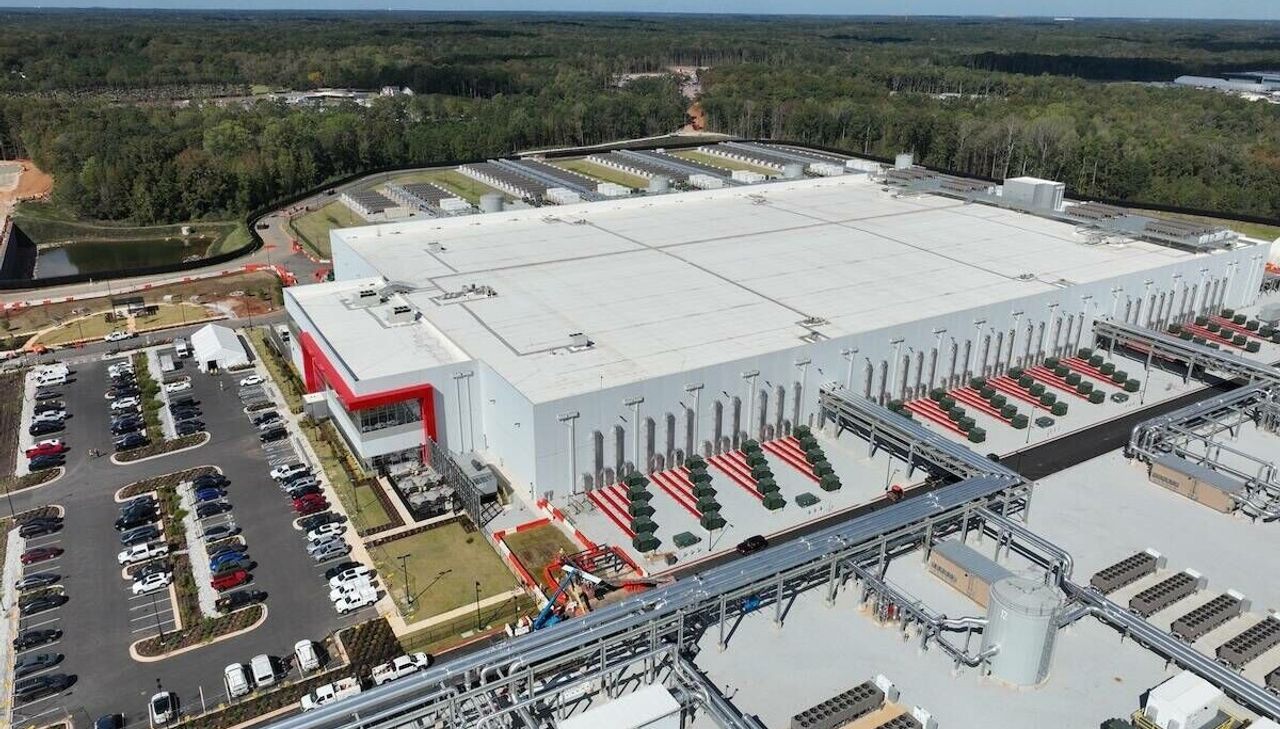
The global read is a structural shift in where capital lands. For two years the story was chip scarcity; the emerging bottleneck is energy and interconnect. A gigawatt of contracted demand from a single lab reframes datacenters as long-duration power assets with a semiconductor overlay, which is precisely why the debate has moved from compute scaling to energy scaling. That reprices the entire stack — grid access, cooling, transformers, and land now sit alongside GPUs as the scarce inputs. It also concentrates risk: neoclouds are underwriting multi-billion-dollar commitments against a handful of anchor tenants, so any softening in model demand or a pivot to more efficient architectures would leave stranded capacity and heavy debt service.
For Japan, the constraint is not ambition but electrons. Domestic buildout tied to global labs runs straight into a grid with limited headroom and slow interconnection timelines, and the country's dependence on imported energy makes gigawatt-class AI campuses a national-policy question, not just a procurement one. Expect the center of gravity to shift toward Hokkaido and Kyushu, where power and cooling are more available, and toward trading houses and telcos able to bundle land, generation, and offtake.
Japanese SIers face a sharper strategic fork. The RPA-and-integration franchise that defined firms like the majors is being subsumed into a higher-stakes game: brokering GPU capacity, designing power-aware architectures, and managing the sovereignty tradeoffs of routing sensitive enterprise workloads through foreign-controlled compute. The teams that treat energy planning and capacity contracts as core engineering — rather than a facilities afterthought — will capture the margin. Those that keep selling headcount-based integration risk being reduced to resellers of someone else's cloud.
The practical takeaway for enterprise buyers here: lock capacity and power terms early, and treat compute sourcing as a supply-chain discipline with the same rigor once reserved for silicon.