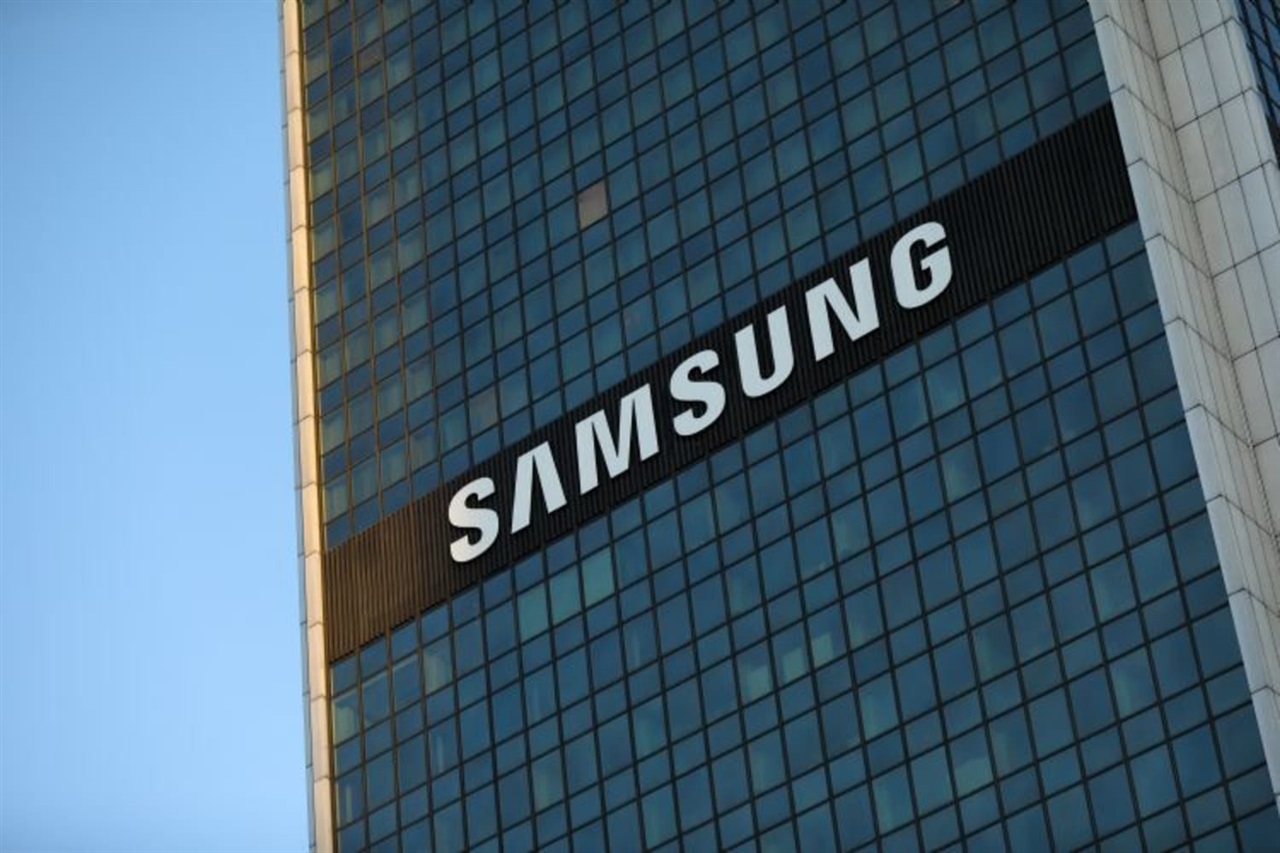
Samsung's first-half sales to both China and the US climbed sharply as the AI-driven memory upcycle lifted its chip business, yet Nvidia did not appear among its five largest customers despite deepening HBM cooperation.
That absence is the real signal. In an era where high-bandwidth memory is the gating component for AI accelerators, the vendor that dominates HBM supply to Nvidia effectively earns the highest-margin seat in the industry. Samsung's broad revenue strength, spread across mobile, conventional server DRAM, NAND, and a wide customer roster, is healthy but tells a different story than a concentrated, qualification-driven HBM relationship. It suggests Samsung is monetizing the upcycle through volume and price recovery rather than through the premium HBM lane that has become the industry's profit center. The strategic risk is structural: if a rival continues to own the top accelerator socket, Samsung captures the cyclical upside but not the durable pricing power.
The China-overtakes-US dynamic deserves equal attention. Robust Chinese demand reflects aggressive stockpiling and a domestic AI buildout racing ahead of tightening export controls. That concentration is a double-edged position. It cushions near-term revenue, but it exposes Samsung to policy shocks if Washington broadens memory-related restrictions, leaving a large slice of demand politically contingent rather than commercially secure.
For Japan, the second-order effects matter more than the headline. The AI memory upcycle tightens global DRAM and HBM supply, and that flows directly into hardware costs for Japanese cloud operators, server buyers, and enterprises refreshing AI infrastructure. Procurement teams and SIers planning 2026 GPU and server rollouts should budget for sustained memory-price pressure and lengthening lead times, not a return to slack conditions.
Japan's real leverage sits upstream. Its semiconductor materials and equipment suppliers are embedded in advanced packaging and memory fabrication, so an HBM-led boom is a tailwind for that segment regardless of which memory maker wins the Nvidia socket. For Japanese enterprises and integrators, the practical takeaway is to treat memory as a strategic input: diversify supplier exposure, hedge against China-linked policy volatility, and factor component scarcity into AI project timelines rather than assuming commodity-style availability.