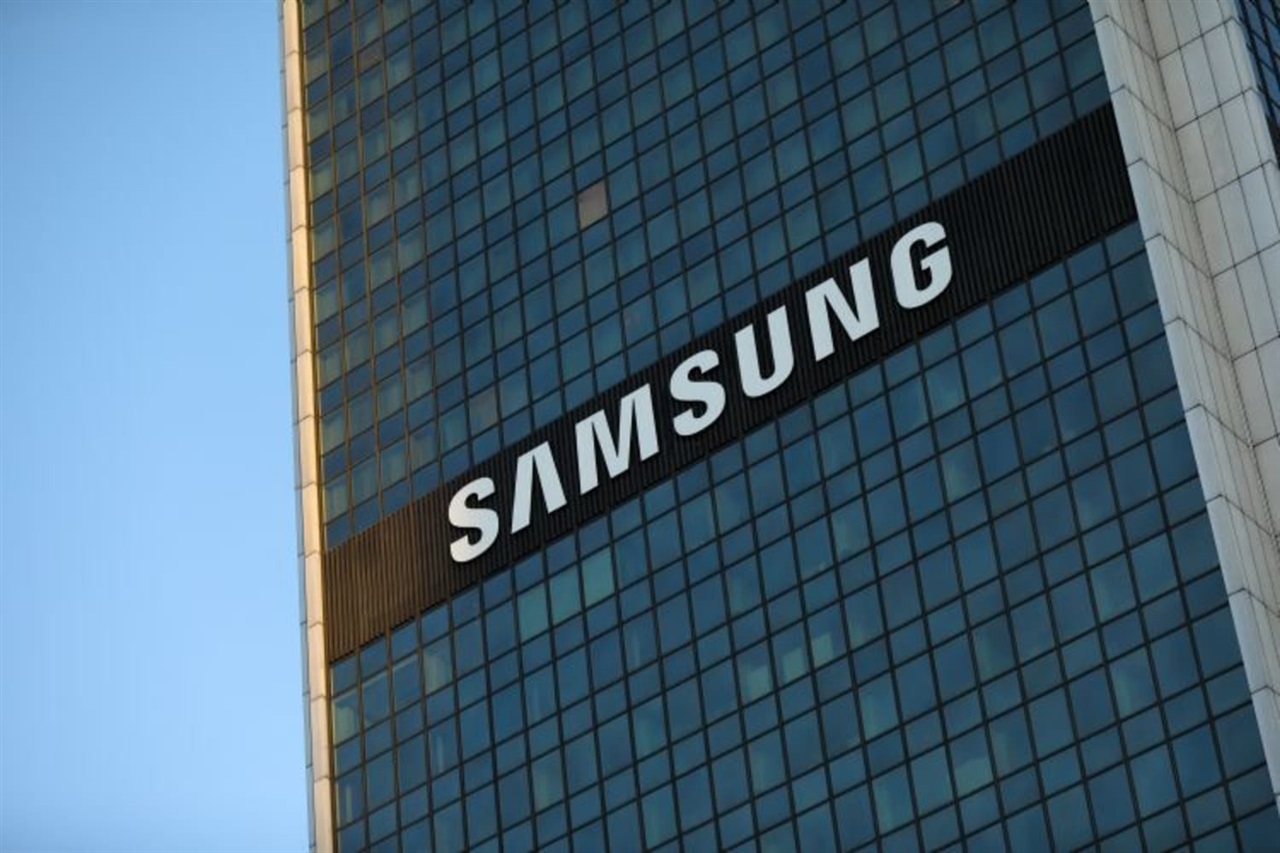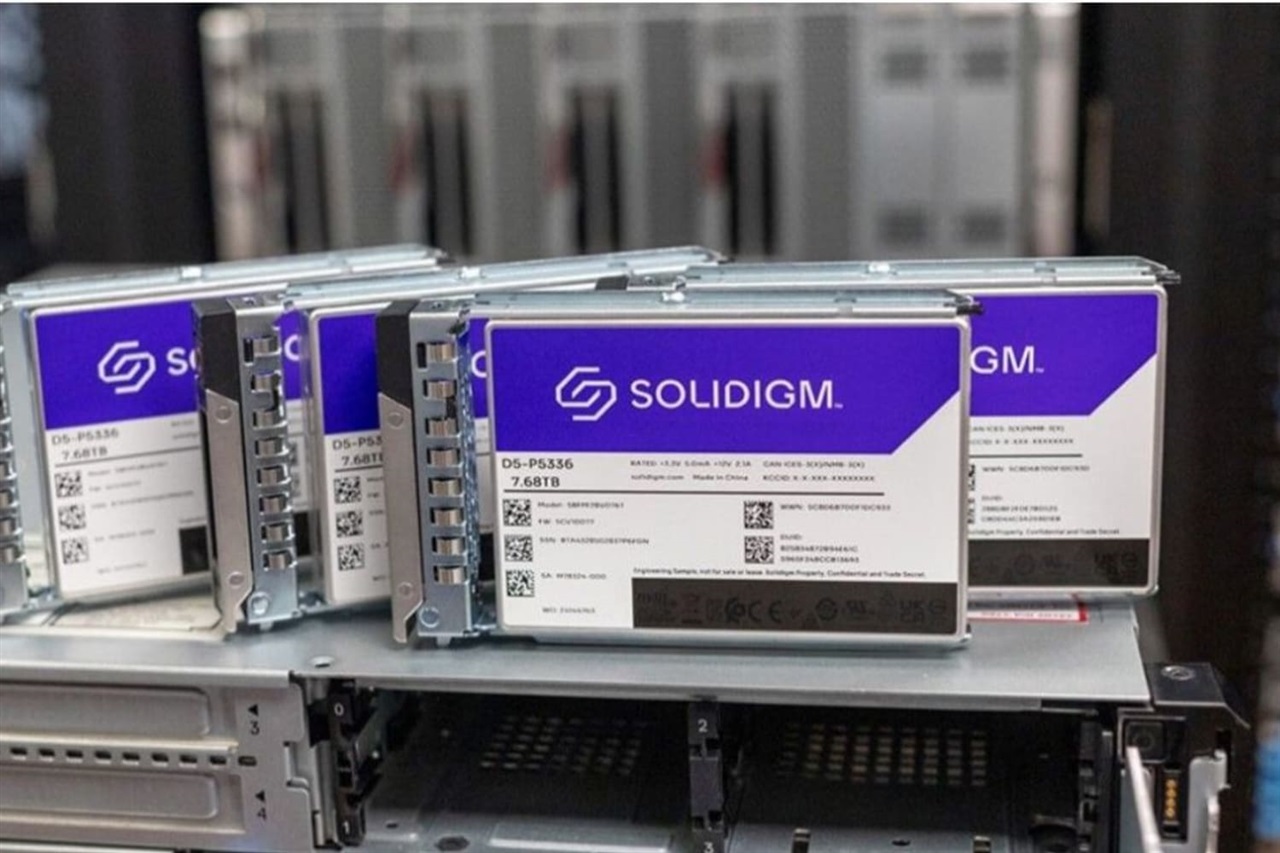
Samsung plans to lift mid- and low-end Galaxy A production from August to November 2026 as rising memory prices push rivals to retreat from thin-margin models. In parallel, more than half of its 4-nanometer foundry capacity is reportedly going to HBM4 base dies. The two moves are the same story read from opposite ends: AI-driven memory demand is reshaping the economics of the entire handset stack.
The strategic logic is elegant. When DRAM and NAND prices climb, the pain falls hardest on cheap phones where memory is a large share of the bill of materials. Smaller OEMs facing squeezed margins either raise prices or thin out their portfolios. Samsung, sitting on captive memory and foundry capacity, can absorb the cost internally and flood the segment competitors are abandoning. Vertical integration stops being a balance-sheet line and becomes an offensive weapon: the company effectively taxes its rivals through the same memory scarcity it helps create by prioritizing HBM4 for AI accelerators.
The risk is that Samsung is fighting itself for wafers. Every 4nm slot devoted to HBM base dies is a slot not making mobile SoCs or other logic, and the HBM boom is far more profitable per wafer than budget phones. If AI compute demand stays hot, the internal opportunity cost of chasing low-end share could outweigh the market-share gains. This is a bet that volume leadership in emerging markets still matters enough to justify diverting resources away from the highest-margin business in the industry.
For Japan, the read-through is sharp. Domestic handset players like Sony and Sharp compete precisely in the mid-tier bands Samsung is targeting, and they lack captive memory to cushion input-cost shocks. Rising memory prices compress their margins exactly as a vertically integrated giant escalates volume. More consequential is the component layer: Kioxia and other Japanese memory and materials suppliers benefit from the pricing cycle, while Japanese image-sensor and passive-component makers feeding the smartphone chain face demand that shifts toward Samsung's supply orbit.
Japanese SIers and enterprise IT teams should treat this as a leading indicator, not phone news. The HBM4 capacity signal confirms that AI infrastructure is pulling upstream silicon away from general-purpose logic. That tightens supply and lifts prices for the servers, edge devices, and memory-heavy hardware underpinning enterprise AI and RPA rollouts. Procurement and multi-year infrastructure budgets planned for 2026 should assume elevated memory costs and constrained lead times as the base case, not a tail risk.