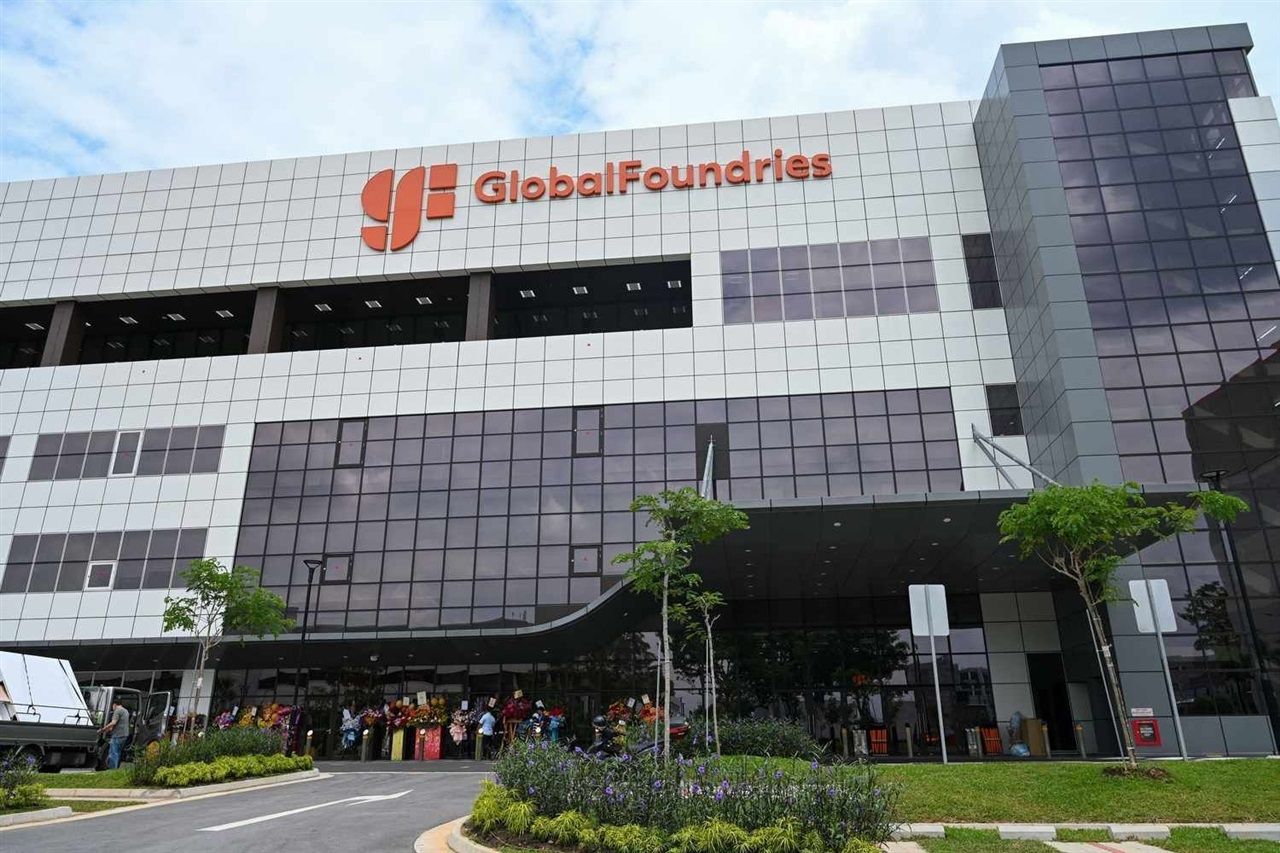
GlobalFoundries and Marvell expanded a multi-year agreement to raise silicon germanium (SiGe) production at GF's Burlington, Vermont facility, targeting the optical connectivity that links AI and cloud data centers.
The strategic signal here is bigger than one fab deal. The industry conversation has fixated on leading-edge logic and HBM, but the real constraint in large AI clusters is increasingly the interconnect. Moving data between tens of thousands of accelerators at low latency and acceptable power demands optical links, and SiGe is the workhorse process behind the high-speed drivers, trans-impedance amplifiers, and SerDes that make those links viable. This is a mature, specialty node — not 3nm — yet its scarcity can throttle a whole datacenter buildout. Locking in multi-year capacity is a defensive move against exactly that risk.
It also reframes how buyers should think about resilience. Frontier compute is not a single-part story; it is a chain where the weakest specialty node sets the ceiling. Marvell's positioning in custom silicon and optical DSP suggests the value is migrating toward whoever controls the connectivity IP and its manufacturing base, not only the accelerator. Expect more hyperscalers and networking players to sign long-dated capacity commitments at specialty foundries, and to treat optical component supply as a board-level procurement concern.
For Japan, this plays to genuine strength. The country's suppliers in lasers, optical modulators, connectors, fiber, and photonics packaging sit directly in this value chain, and rising optical-interconnect demand is a structural tailwind for that base rather than a threat. The opening is real but conditional: it favors firms that scale packaging and assembly capacity and integrate into the transceiver roadmaps of US networking leaders, rather than staying discrete-component vendors.
For Japanese SIers and enterprise IT teams building AI infrastructure, the practical takeaway is to design for interconnect as a first-class constraint. Capacity planning that models only GPU availability will misprice lead times; optical transceiver supply, power, and cooling now gate real-world cluster delivery. SIers that can advise clients on end-to-end fabric design — not just server procurement — capture the higher-margin architecture work, while those treating networking as an afterthought risk delivery slippage as this specialty supply tightens.