SK Hynix reportedly walked away from talks with LG Electronics over outsourcing part of the backend design for a next-generation enterprise SSD controller, though it told DIGITIMES no such controller-design commissioning was ever on the table. The denial matters less than the direction of travel.
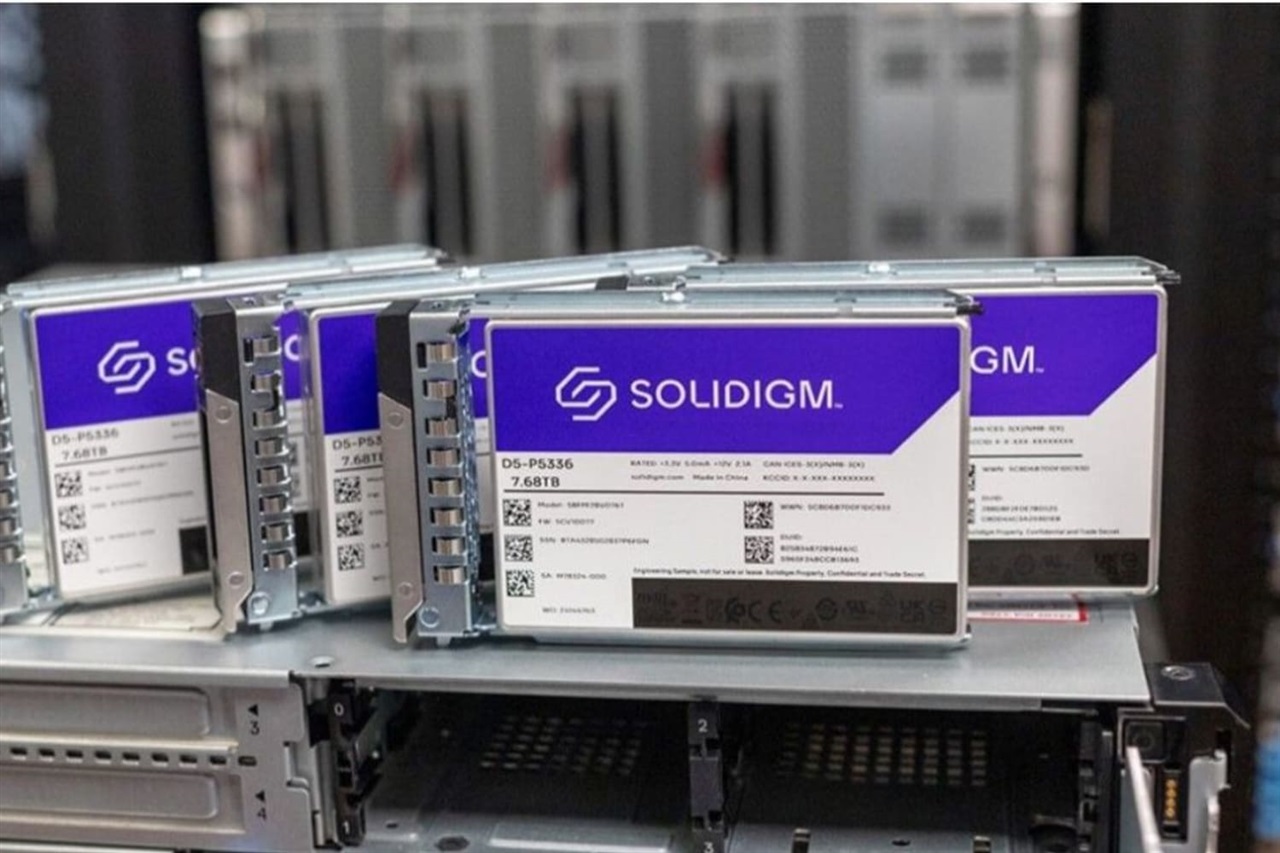
The controller is the intelligence layer of an enterprise SSD, governing latency, endurance, power efficiency, and how well a drive keeps GPUs fed during training and inference. As AI datacenters turn storage from a commodity into a performance bottleneck, memory makers have a strong incentive to internalize controller IP rather than lean on merchant silicon. Whoever owns the controller owns the tuning, the margin, and the differentiation. That is why the more telling thread here is the expansion of work with a design-house partner: SK Hynix appears to be building controller capability through ASIC specialists rather than a consumer-electronics outsourcer, keeping the core architecture close while offloading physical implementation. It is the same vertical-integration logic that pushed hyperscalers into custom accelerators, now arriving in storage.
For the broader industry, this compresses the field. If the top NAND vendors each fold controller design in-house, independent controller suppliers lose their largest customers, and the eSSD stack consolidates around a few vertically integrated players. Buyers of AI infrastructure gain tighter hardware-software co-optimization but lose sourcing leverage and second-source flexibility, a real risk when a single vendor controls both the media and its brain.
For Japan, the read-through runs straight to Kioxia. As a leading NAND producer without the same captive controller depth, Kioxia faces the strategic question of whether to build, buy, or partner for controller IP as rivals integrate upward, and Japan's design-house and packaging ecosystem could become the natural place to do it. For Japanese SIers and datacenter operators standing up AI capacity, the practical takeaway is procurement discipline: eSSD roadmaps will increasingly be dictated by whoever controls the controller, so contracts should assume less interchangeability and price in supplier lock-in. Enterprise IT teams evaluating AI storage tiers should test drives on their actual workloads rather than trusting spec sheets, because vertically tuned controllers make real-world behavior diverge from headline numbers.