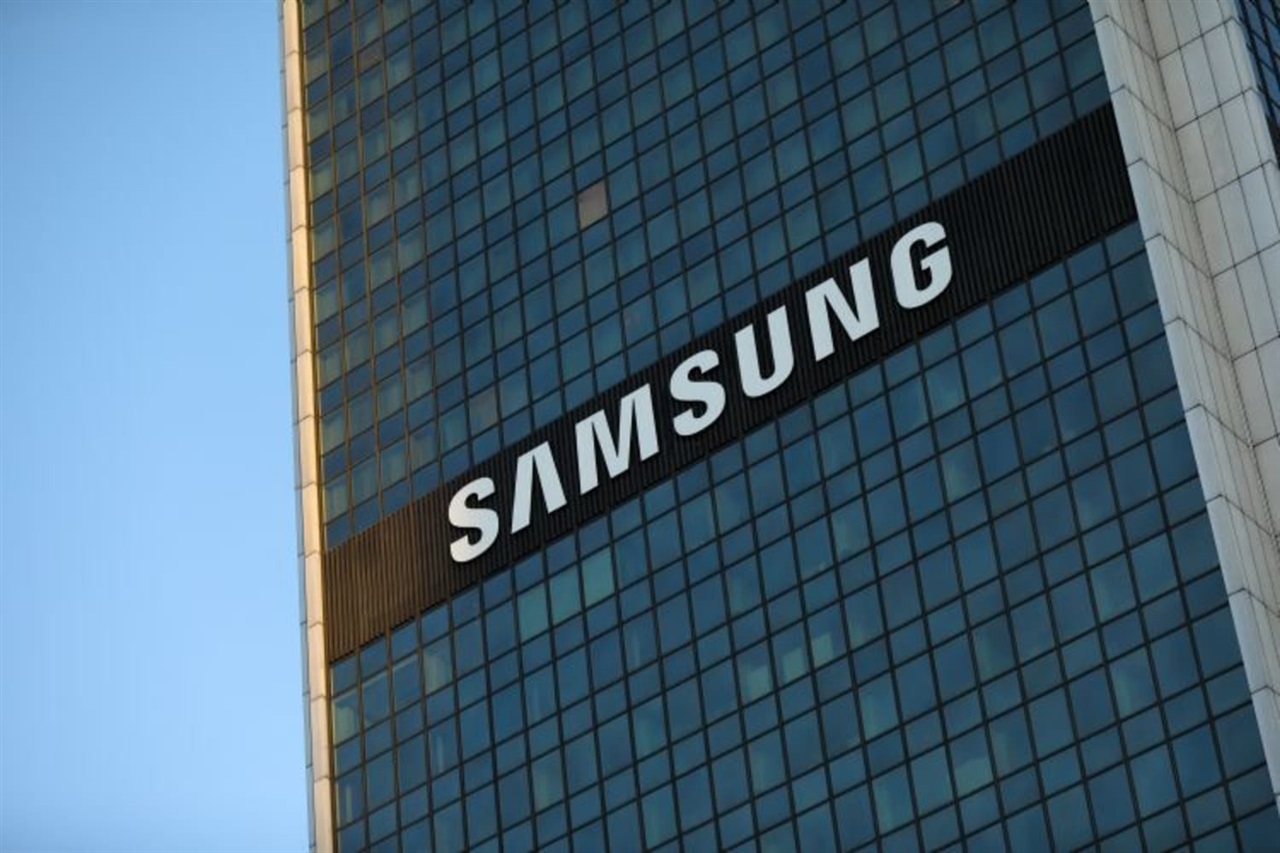
Four US firms have committed a combined $2 billion to South Korean semiconductor materials, equipment, and clean-energy projects, reinforcing bilateral supply-chain ties and feeding Seoul's three strategic "Mega Projects."
The strategic signal matters more than the headline number. What we are watching is the hardening of a US-Korea axis in the physical layer of chipmaking: industrial gases (Air Products), ion-implantation tooling (Axcelis), advanced materials (Corning), and the power infrastructure (Pacifico Energy) that increasingly gates fab expansion. Washington's incentive architecture is no longer just about luring fabs to American soil; it is about wiring allied ecosystems together so that a disruption in one node has redundancy in another. For Korea, the payoff is reduced single-source exposure and a credibility boost for domestic champions courting further foreign capital. For the US, it is optionality against both Chinese materials dominance and the concentration risk that sits inside a handful of specialty suppliers.
The under-discussed variable here is energy. Committing clean-power capital alongside chip inputs acknowledges that the binding constraint on next-generation fabs is increasingly the grid, not the cleanroom. Whoever secures firm, low-carbon electricity near fabrication clusters gains a durable siting advantage, and that logic will repeat across every serious semiconductor region this decade.
For Japan, this is a quiet erosion of a prized strategic asset. Japanese suppliers have long held commanding positions in photoresists, high-purity chemicals, silicon wafers, and precision materials, a dominance that became geopolitically visible during the 2019 export-control friction with Seoul. That episode taught Korea an expensive lesson, and it has been methodically localizing and diversifying ever since. US capital now underwrites that diversification directly. The result is not an overnight loss of share but a slow compression of the pricing power and negotiating leverage that Tokyo's materials makers have enjoyed. Japanese firms should read this as pressure to move up-stack into materials that are genuinely hard to replicate and to embed themselves inside allied co-investment frameworks rather than competing against them.
For Japanese SIers and enterprise IT teams, the second-order effect is demand. A more capital-intensive, multi-country semiconductor supply web needs sophisticated traceability, quality-management, and supply-chain-visibility systems spanning materials, tooling, and energy procurement. That is a concrete integration opportunity, provided vendors build for cross-border, multi-vendor data environments rather than the closed keiretsu-style deployments that still dominate too many domestic manufacturing IT stacks.