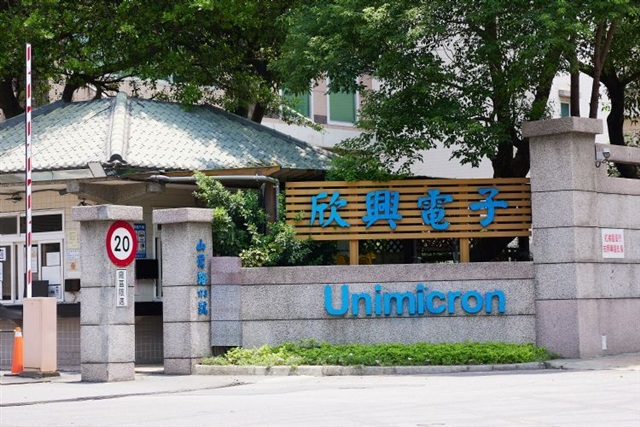
Taiwanese prosecutors searched Unimicron, one of the world's largest ABF substrate makers, in a case tied to how product origin was labeled. The specifics remain thin, but the signal is not.
ABF (Ajinomoto build-up film) substrates are a quiet chokepoint in advanced computing. They carry the high-density interconnects that CPUs, GPUs, and AI accelerators depend on, and capacity is concentrated across a handful of Taiwanese and Japanese suppliers. Any legal cloud over a top-tier maker forces buyers to reprice supply risk that they had treated as settled. The more consequential issue is what an origin-labeling probe implies in the current trade regime. As Washington tightens tariffs and tracks transshipment, where a component is 'made' has shifted from a paperwork detail to a material cost and legal exposure. Investigations of this kind tend to widen. Prime contractors and OEMs will want to know their own declared country-of-origin holds up under audit, because liability flows downstream to whoever files the customs paperwork.
Expect procurement teams to demand deeper traceability, dual-sourcing, and contractual indemnities on origin. That raises unit costs and lengthens qualification cycles at exactly the moment AI demand is straining substrate supply.
For Japan, the exposure is direct. Ajinomoto supplies the ABF film itself, and Ibiden and Shinko Electric are core substrate producers, so any share shift or pricing move ripples through Japanese balance sheets and the packaging supply chain that Japanese chipmakers and equipment vendors sit inside. Japanese electronics firms navigating US tariff rules face the same origin-declaration scrutiny, and a high-profile case raises the compliance bar for everyone shipping into the US.
For Japanese SIers and enterprise IT teams, the opening is in supply-chain traceability systems: origin verification, customs data lineage, and audit-ready records across multi-tier suppliers. This is unglamorous integration work that manufacturers have underinvested in, and it maps well to RPA-driven document handling and data-integration mandates. The firms that treat origin compliance as a data problem, not a legal afterthought, will absorb tariff volatility with less friction than rivals still tracking it in spreadsheets.