Seventeen integrated-circuit firms signed agreements worth over RMB6 billion to cluster around Yangtze Memory in Wuhan, spanning equipment, materials, inspection, components, and design under the local Wutongshu Plan.
The strategic signal matters more than the headline number. What's being assembled here is not a single fab but a co-located supply web, the exact stack that export controls have targeted. Washington's restrictions were designed to choke China off at the tool and materials layer; the response is to build that layer domestically and physically adjacent to the anchor customer. Clustering compresses qualification cycles, shortens iteration loops between chipmaker and supplier, and lets a memory producer like YMTC de-risk foreign dependency component by component. It is import substitution executed as industrial geography.
For global players, the read is bifurcated. Near term, Chinese localization is still years behind at the leading edge, so demand for foreign lithography, deposition, and high-purity materials persists. Medium term, every qualified domestic alternative in inspection, wet chemicals, or test permanently removes an addressable market. The financing backdrop sharpens this: with the Fed signaling higher-for-longer, capital-intensive fab buildouts everywhere face steeper hurdle rates, but state-backed Chinese clusters answer to policy timelines, not rate cycles. That asymmetry lets Beijing keep spending while private-market capex tightens.
For Japan, the exposure is unusually direct. Japanese suppliers dominate several of the precise categories on Wuhan's shopping list, photoresists, silicon wafers, deposition and etch tools, and metrology. In the short run, Chinese ecosystem expansion is a revenue tailwind for firms like Tokyo Electron and Shin-Etsu. The structural risk is that Japan is training and funding the demand that ultimately validates its domestic substitutes. Tokyo's alignment with US controls also means Japanese vendors carry compliance and revenue-cliff risk that Chinese local champions do not.
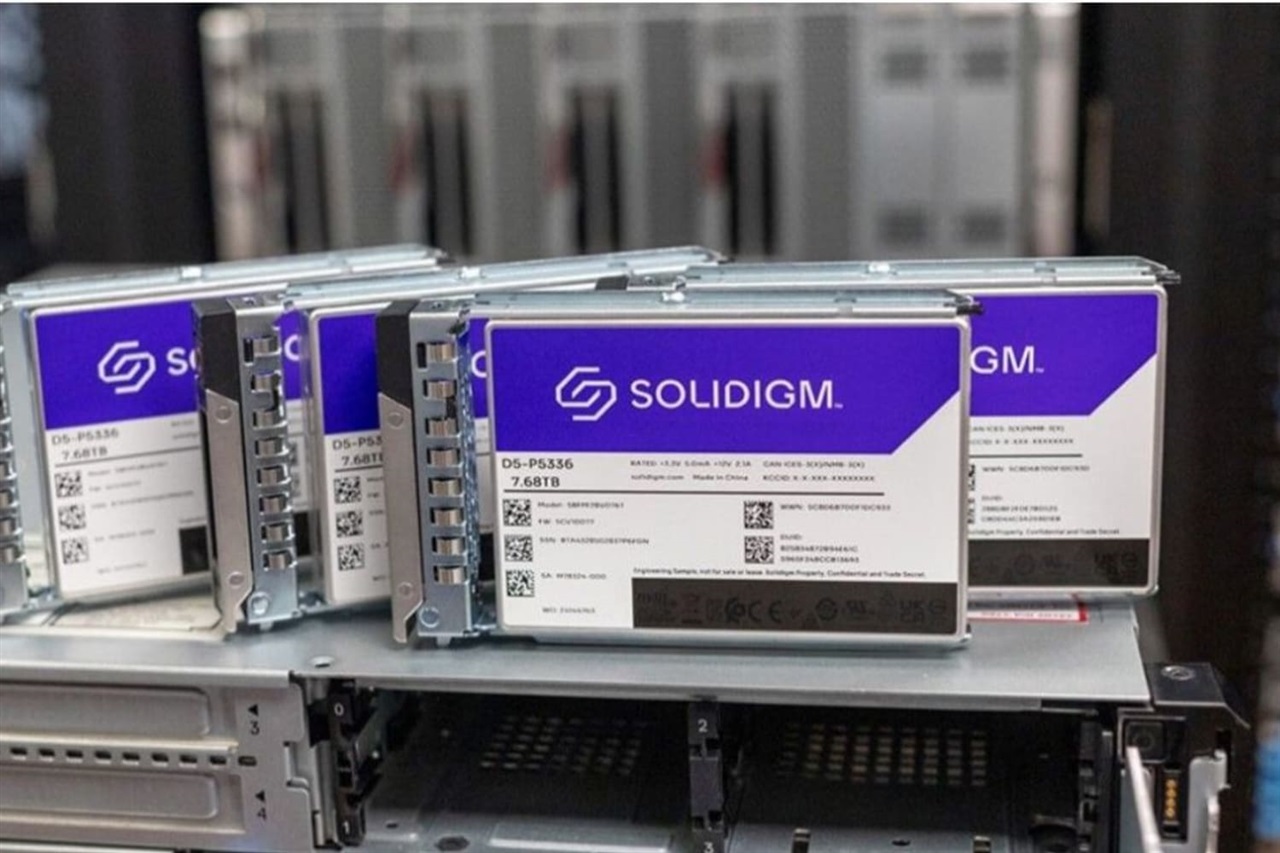
Japanese SIers and enterprise IT teams should treat this as a resilience-planning input, not distant geopolitics. A more self-contained Chinese memory supply chain reshapes NAND and DRAM pricing, lead times, and second-sourcing options that flow straight into server, storage, and edge-device procurement. The practical move is to model dual-supply scenarios now, map which of your hardware BOMs depend on China-origin or China-adjacent capacity, and build that sensitivity into multi-year infrastructure and RPA hardware refresh plans before the pricing signal forces the decision.