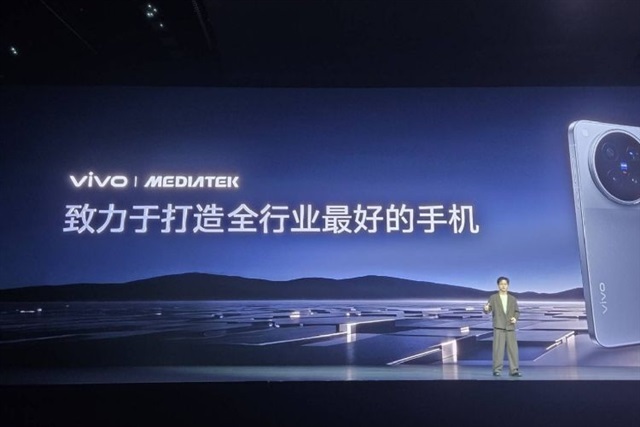
Vivo used its X500 launch to reframe the premium smartphone contest around imaging rather than raw silicon, a telling move in a year when the economics of the category are inverting. With memory pricing climbing and IDC projecting worldwide shipments to fall 16.7% in 2026 to just over one billion units, the industry is quietly abandoning volume as its scorecard. The new math is margin per unit, and camera systems are one of the few differentiators consumers still pay a premium for once processors and displays have converged.
The global implication is a bifurcating market. Vendors that can defend a premium narrative absorb rising bill-of-materials costs and pass them on; everyone else gets squeezed between component inflation and price-sensitive buyers who simply hold their existing phones longer. That extends replacement cycles, compresses the mid-tier, and hands pricing power to whoever controls scarce inputs, memory being the clearest example right now. Imaging is Vivo's attempt to build a moat that survives a shrinking pie, and rivals from the same tier face the same strategic fork.
For Japan, the most direct exposure sits in the component layer rather than in handset brands. Japanese image-sensor and optics suppliers are structurally advantaged when flagships compete on camera quality, since an imaging arms race pulls demand toward higher-value sensors even as total unit volumes decline. That is a rare tailwind in a contracting market, and it rewards suppliers positioned in the premium tier over those chasing commodity volume.
Japanese carriers and retailers face the opposite pressure. Higher device prices driven by memory inflation collide with a domestic market already sensitive to handset cost and installment structures, likely lengthening upgrade cycles further and pushing more consumers toward refurbished and mid-life devices. Operators leaning on premium device attach rates for ARPU should plan for softer hardware refresh, not stronger.
For Japanese SIers and enterprise development teams, the signal is about the mobile install base rather than the launch itself. Slower refresh cycles mean the fleet of devices in the field ages, widening the range of OS versions, chipsets, and camera capabilities that apps must support. Teams building mobile-first or imaging-dependent enterprise apps should budget for longer device-support tails and test matrices, not the rapid hardware turnover that quietly subsidized past assumptions.