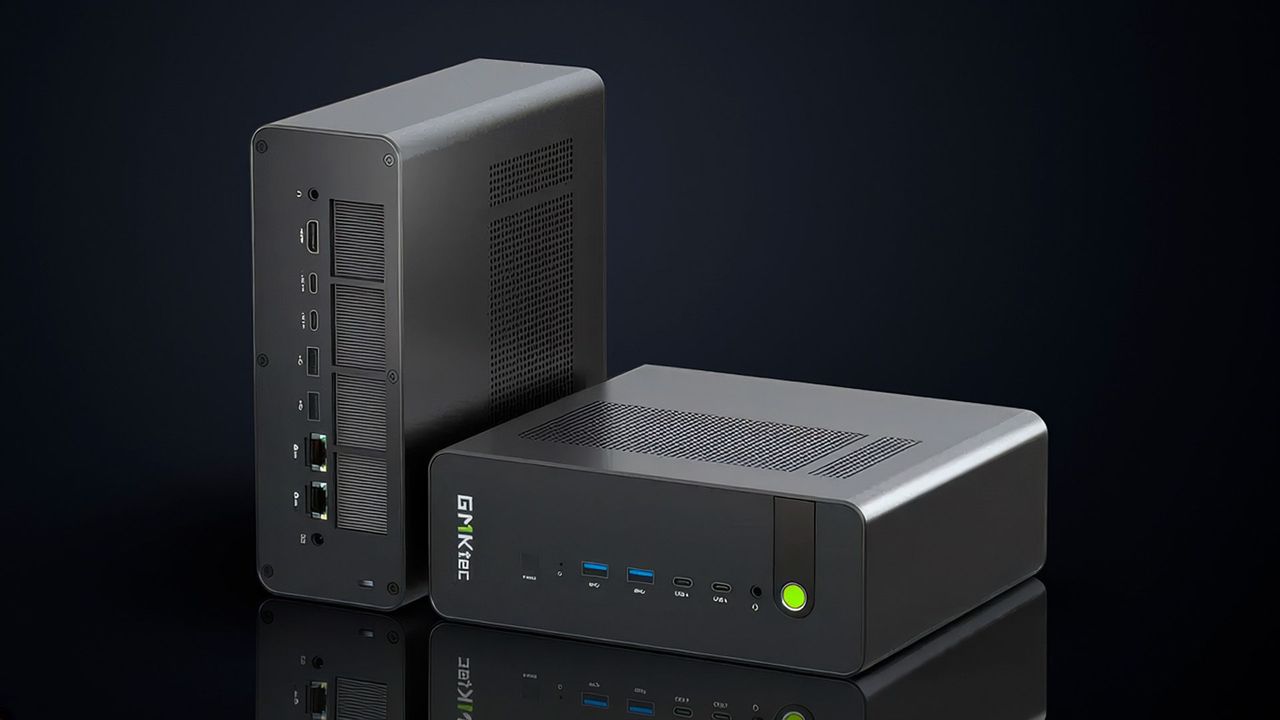
The headline fact is mundane: a CyberPower desktop pairing Intel's Core Ultra 7 270K Plus with an Nvidia RTX 5060 Ti and DDR5 fell 21% to $1,399, a $370 cut. The strategic signal underneath it is not.
Mid-tier discrete GPUs have quietly become the entry point for private AI. A card in the RTX 5060 Ti tier now carries enough VRAM to run quantized open-weight models locally, which reframes a gaming rig as a developer inference box. When system builders start clearing this tier at aggressive markdowns, it tells you supply is loosening and the premium that Nvidia extracted through the shortage years is compressing at the volume end of the market. That matters more than any single deal, because the economics of AI experimentation shift the moment a capable local machine costs less than a year of cloud GPU credits. Intel's angle here is equally telling: bundling Core Ultra silicon with an NPU into a value gaming build is a bid to make on-device AI a default consumer feature rather than a datacenter-only capability, and it keeps pressure on AMD across the same price band.
For Japanese buyers, the calculus is distorted by a weak yen. Dollar-denominated markdowns like this rarely translate cleanly to Japanese retail, where import costs and distributor margins keep imported prebuilt systems structurally more expensive. That widening gap is a real friction for local startups and indie developers who want to prototype AI features without renting cloud accelerators, and it strengthens the case for domestic builders and BTO vendors who can hold price points the yen would otherwise erode.
For SIers and enterprise dev teams, the takeaway is architectural, not promotional. As sub-$1,500 workstations become genuinely useful for running open models, the argument for on-prem and edge inference gets harder to dismiss, particularly for clients in finance, healthcare, and the public sector where data residency rules complicate sending prompts to overseas APIs. RPA and automation teams should read this as an early indicator: workflow tools will increasingly assume a local model is available, and integrators who can design hybrid setups that keep sensitive inference on affordable in-house hardware while reserving the cloud for heavy training will hold a durable advantage over those still defaulting to API-only designs.