AMD's relaunch of the Ryzen 7 5800X3D, paired with tests showing nearly identical gaming results on old versus new AM4 motherboards, is a small technical footnote with a large strategic subtext. It arrives exactly as the memory shortage reprices the entire consumer hardware stack.
The real story is upgrade economics inverting. When DRAM and NAND costs spike, as they now are worldwide, the marginal payoff of a full platform swap collapses. A new socket typically drags in a new motherboard and DDR5, precisely the components climbing fastest. That makes AMD's unusually long AM4 support look less like nostalgia and more like a competitive moat: customers can drop a cache-heavy chip into hardware they already own and skip the memory tax entirely. Vendors that forced buyers onto fresh sockets face the opposite pressure. Expect refresh cycles to stretch, the used-board market to firm up, and OEMs to quietly re-emphasize last-gen platforms while the crunch persists.
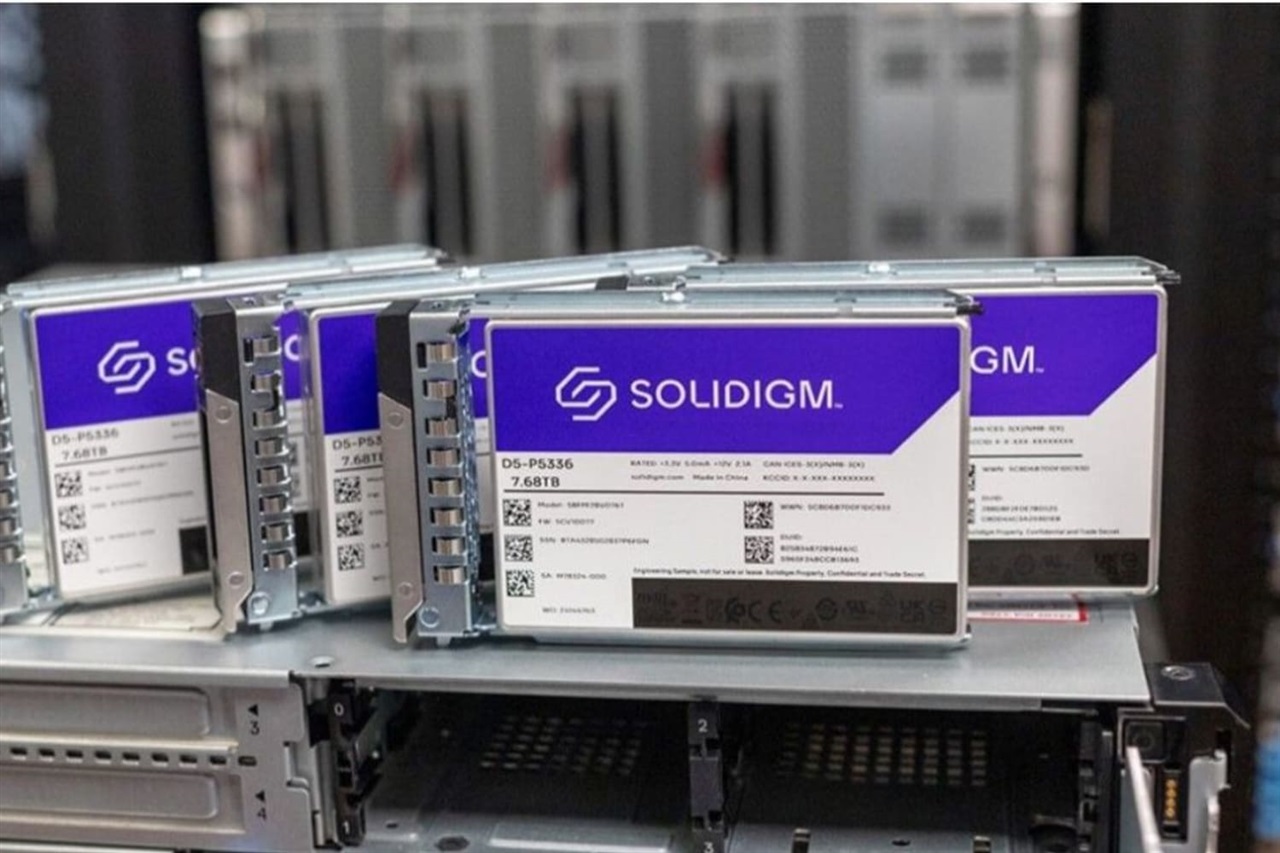
This is the consumer-side mirror of what is hitting datacenters, where AI-server pricing and even mainstream devices are being marked up on the same component squeeze. Longevity, not raw performance, becomes the buying criterion.
For Japan, the effect is sharper. A weak yen already inflates imported memory prices, and the country's deep DIY and self-build culture means cost-conscious buyers will lean hard on AM4 and secondhand parts rather than pay for DDR5. At the enterprise layer, Japanese firms are famous for long hardware lifecycles, and rising DRAM costs validate that caution while raising the price of any on-prem server refresh.
For SIers and internal dev teams, the takeaway is concrete. Hardware TCO is climbing, so proposals should model memory-cost volatility explicitly and favor lifecycle extension, workload consolidation, and cloud migration where it genuinely lowers exposure. The integrators who reframe the DRAM crisis as a TCO-optimization conversation, rather than a routine upgrade cycle, will win the budget arguments over the next several quarters.