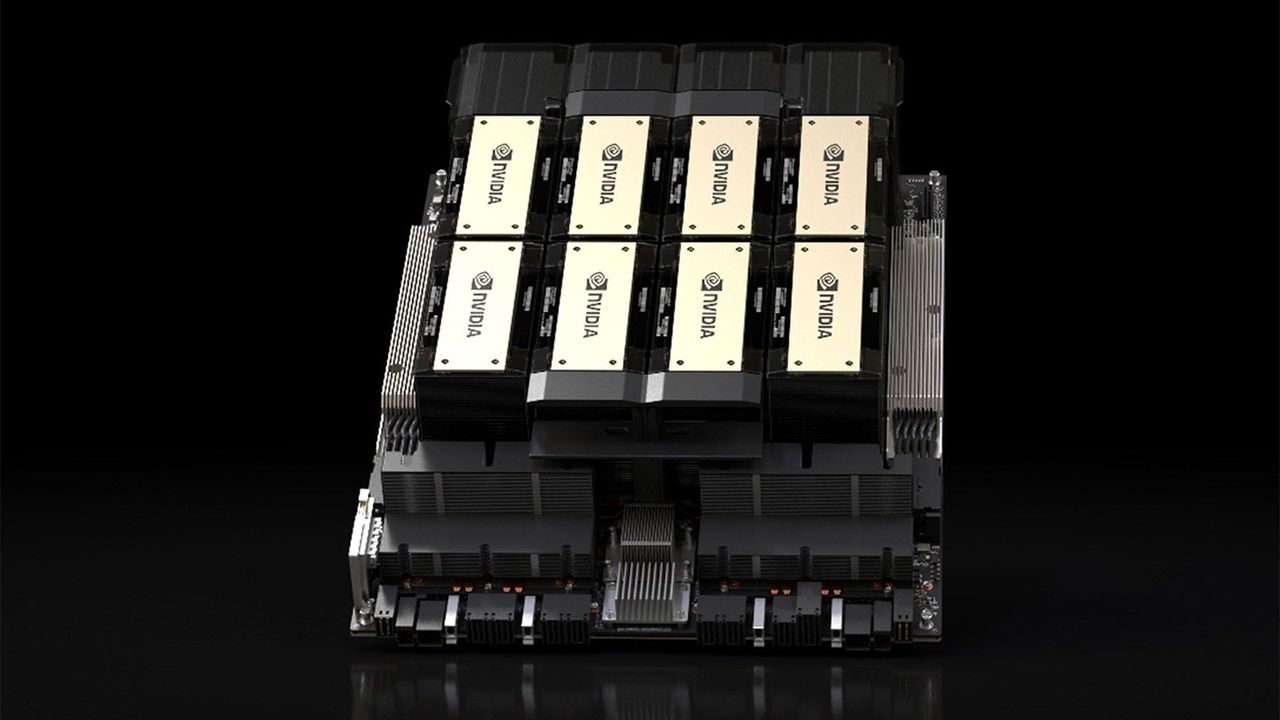
China has cleared its first H200 imports for ByteDance and Tencent under individually vetted licenses, yet most of each firm's U.S.-approved allotment reportedly must remain offshore. The signal matters more than the volume: the world's second-largest AI market is now treating Nvidia as a conditional, revocable supplier rather than a default one.
The strategic read is that access without reliability is a weak product. When procurement depends on case-by-case approval on both sides of the Pacific, hyperscalers cannot plan capacity, and unplannable supply is functionally expensive supply. That is precisely why Chinese buyers have kept pouring capital into Huawei's Ascend line and other domestic accelerators. The near-term performance gap is real, but for state-adjacent tech giants, sovereignty and continuity now outrank raw FLOPS. Nvidia keeps the revenue it can book today while quietly training its largest growth market to live without it.
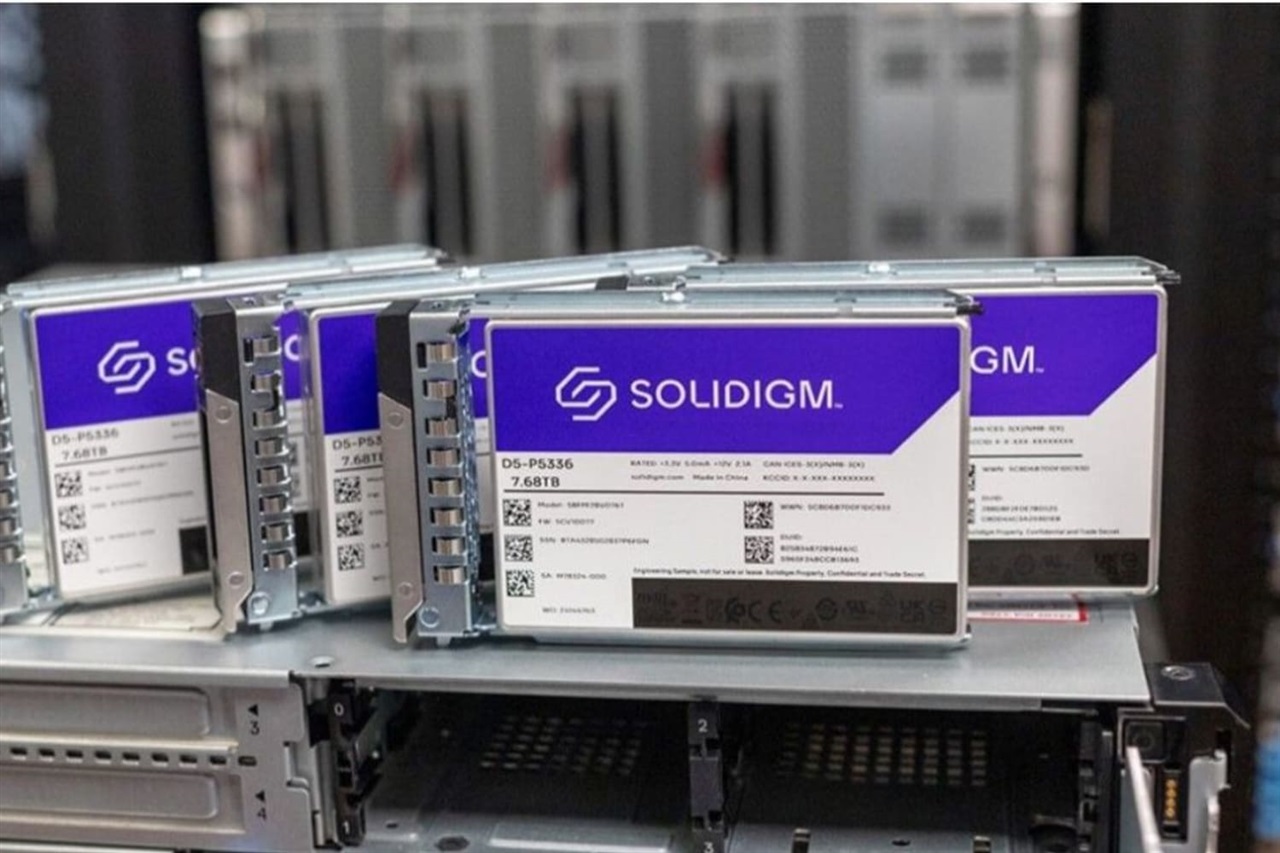
This lands alongside a sharper global signal: Nvidia has told major customers that AI server prices will climb more than 15 percent. Combined with the DRAM and NAND crunch already lifting consumer hardware costs, the entire datacenter buildout is entering a higher-cost regime. Compute is no longer just scarce — it is structurally more expensive, and that reprices every AI business plan built on cheap inference.
For Japanese enterprises and SIers, the takeaway is dual. First, the bifurcation of the chip world into U.S. and Chinese stacks raises the odds that Japanese firms operating in or sourcing from China will eventually need dual-architecture AI strategies — a real integration burden that SIers should start scoping now rather than after a mandate lands. Second, the 15 percent server-price hike flows directly into cloud GPU rates and on-prem AI appliance costs that Japanese buyers pay. Budgets penciled in during the era of falling compute costs will not survive contact with 2026 pricing.
The practical guidance for local dev teams and vendors: treat GPU capacity as a managed, rationed resource, not an elastic utility. Prioritize inference efficiency, model distillation, and workload consolidation over brute-force scaling. For SIers, the differentiated offering shifts from 'deploy the biggest model' toward 'extract maximum value per watt and per yen of compute' — a consulting posture that suits Japan's cost-disciplined enterprise base and hedges against a supply chain that no longer rewards assuming abundance.