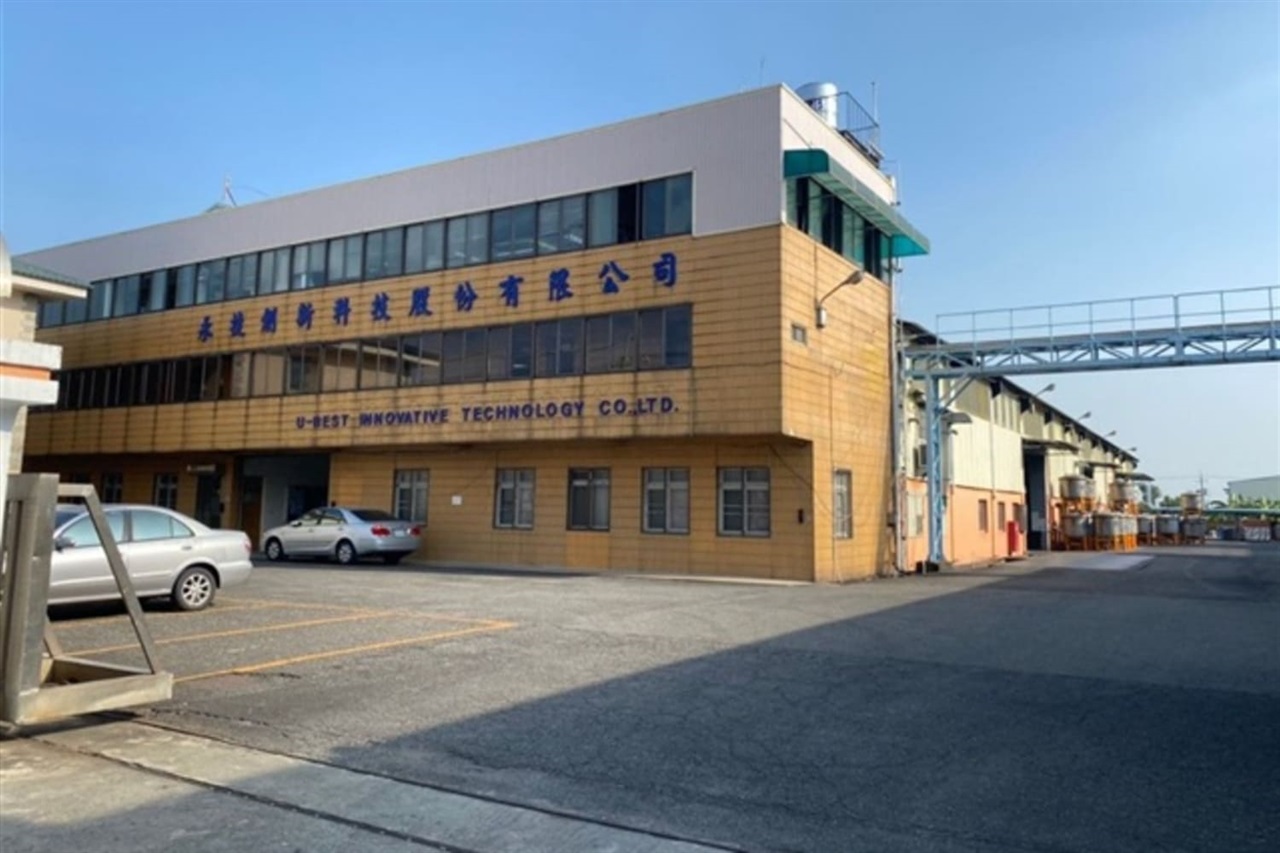
U-Best, a unit of Taiwan's Sun Yad Group, is accelerating fluorine-free coating development to capture replacement demand from EU and US PFAS restrictions, aiming at foldables, semiconductors, and displays by early 2027.
The strategic story here is not chemistry, it is timing. PFAS restrictions convert a slow-moving regulatory calendar into a hard qualification deadline for every high-end device maker. Coatings that deliver hydrophobicity, thermal stability, and dielectric performance sit deep inside foldable hinges, chip packaging, and display stacks, where any material swap triggers months of requalification. That friction is precisely why an early mover matters: the supplier that gets a compliant, spec-equivalent alternative validated first tends to lock in design wins for the full product cycle. A 2027 launch window is aggressive but rational, front-running the EU phase-ins rather than reacting to them.
The global risk is a performance cliff. "Forever chemicals" earned their nickname because fluorine chemistry is genuinely hard to match on durability and surface energy. Fluorine-free substitutes that fall short on any single metric force device makers into painful trade-offs between compliance and product quality, and that gap becomes a competitive lever for whoever closes it first.
For Japan, this is both exposure and opportunity. Japanese fluorochemical and specialty-materials firms hold entrenched positions in the high-purity coatings and films that feed advanced packaging and displays. PFAS regulation directly pressures that installed base, and a nimble Taiwanese challenger targeting the same premium applications signals that incumbency alone will not hold the line. The firms that treat regulation as an R&D forcing function, reformulating ahead of mandates, defend their franchise; those that defend legacy chemistry risk ceding qualified slots they may never recover.
For Japanese device makers and their SIer and manufacturing-IT partners, the near-term work is unglamorous but decisive: mapping PFAS exposure across the bill of materials, tracing multi-tier supplier compliance, and building the traceability systems that turn a regulatory audit into a routine query rather than a fire drill. Materials substitution is becoming a data-governance problem as much as a chemistry one, and that is where local integrators can add durable value.