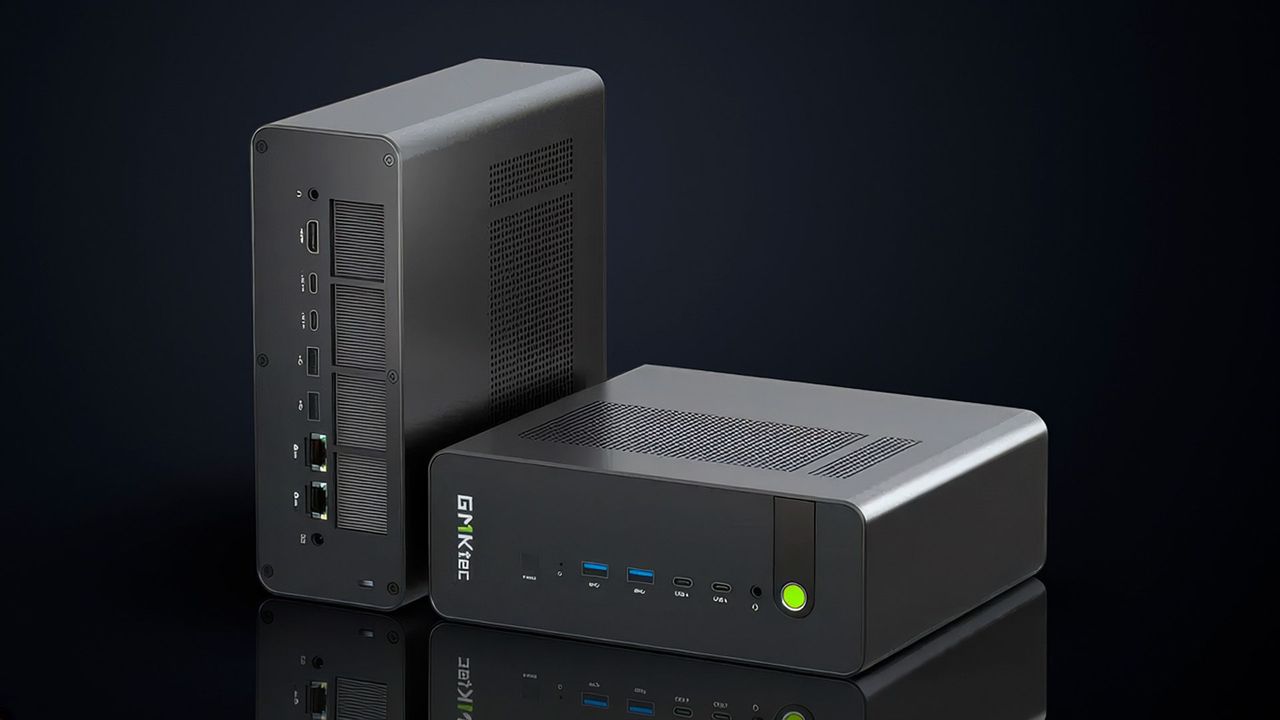
The underlying fact is simple. A tinkerer built a custom carrier board to drop a Raspberry Pi CM5 and an M.2 NVMe drive into a retired HP server chassis, giving obsolete hardware years of new life.
The strategic signal is bigger than one weekend project. The industry's default assumption has been that compute is disposable: a three-to-five-year refresh cycle, then landfill. Arm-based compute modules quietly break that logic. A CM5 delivers enough throughput for file serving, home-lab virtualization, containerized microservices, and light edge inference at a fraction of the power draw and cost of the x86 boxes it replaces. As datacenter capex balloons into the tens of billions for frontier AI, the opposite end of the market is discovering that most workloads never needed that horsepower in the first place. The economic wedge is power and heat, not raw FLOPS.
There is a second implication for hardware vendors. Chassis, backplanes, and drive bays outlast the silicon inside them by a decade or more. A standardized compute module that slots into legacy enclosures turns the server itself into a long-lived platform and the CPU into a cheap, swappable cartridge. That threatens the refresh-cycle revenue model even as it aligns with tightening e-waste and repairability regulation in the EU and elsewhere.
For Japan, this maps onto a structural strength and a structural weakness at once. Japanese manufacturing floors, regional banks, and public-sector systems are full of equipment that must run for 15 to 20 years, long past the vendor support window. This is precisely where Arm compute modules and NVMe retrofits shine: keeping industrial controllers, inspection rigs, and point-of-sale fleets alive without a forklift upgrade. Japan's monozukuri culture and its willingness to maintain rather than discard make it a natural early adopter of longevity engineering.
The weakness is that SIers here have built recurring revenue on exactly the opposite: multi-year hardware refresh contracts and vendor-locked support renewals. A world where a client can extend a system's life with a commodity module cuts into that base. The smarter move for Japanese SIers is to reposition around retrofit engineering, security hardening of extended-life systems, and managed edge fleets built on standardized modules. For RPA and local dev teams, the same CM5-class hardware becomes a cheap, low-power substrate for on-prem automation and edge agents, letting them prototype and deploy without renting cloud compute. Longevity is quietly becoming a competitive discipline, not a hobbyist curiosity.