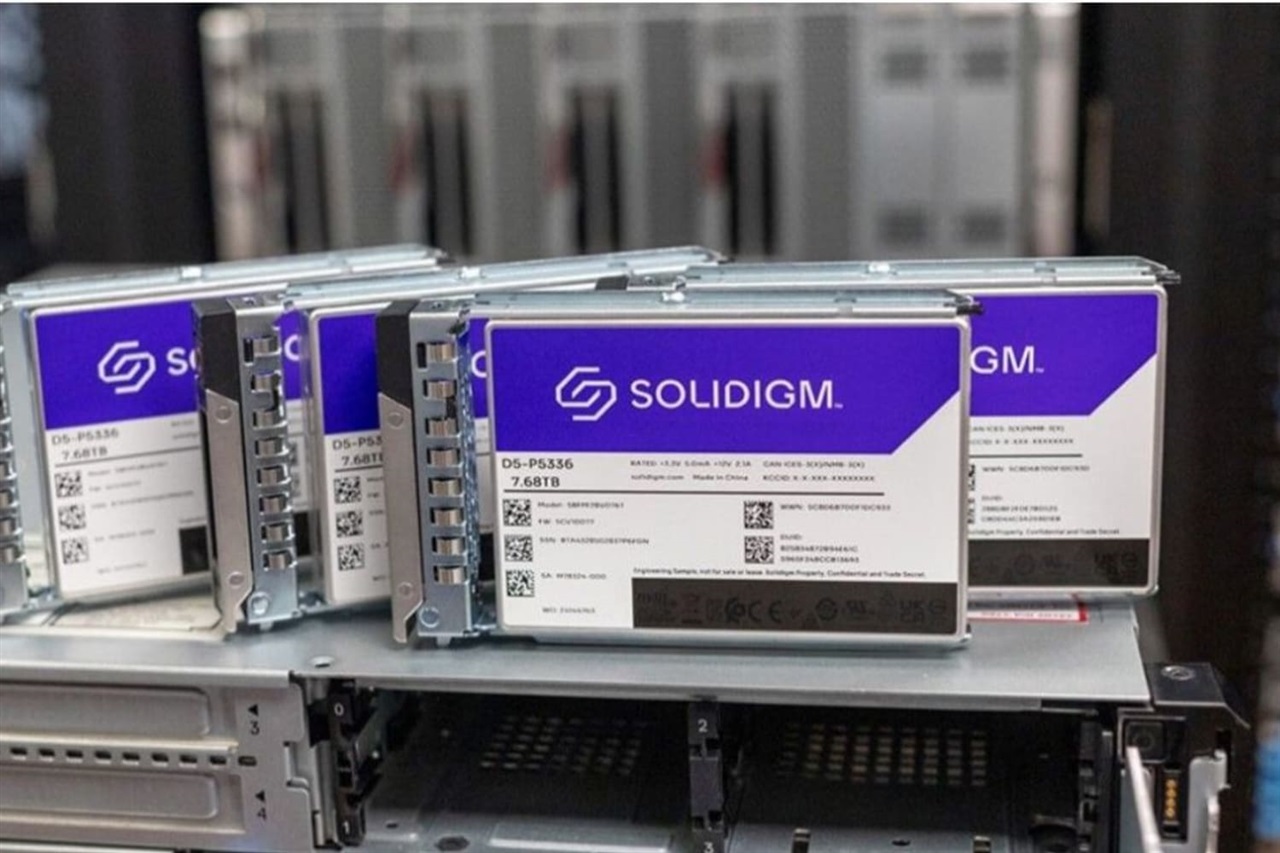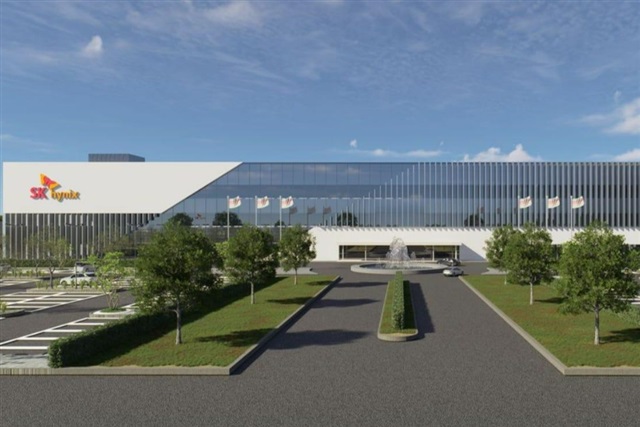
SK hynix spending over a month studying US and other sites for a front-end memory fab is not a routine expansion story. It is a signal that memory has crossed from commodity to strategic asset. American customers pressing for wafer production closer to home reflect a deeper shift: after years of treating DRAM and HBM as fungible spot-market inputs, hyperscalers and OEMs now want supply security baked into geography. When AI accelerators are gated by high-bandwidth memory, the fab's location becomes a boardroom variable, not a procurement footnote.
The global read is that memory is entering a structural squeeze. AI buildout is absorbing HBM capacity that would otherwise flow to conventional DRAM, and that scarcity is already pushing laptop and PC costs upward. A US front-end fab would ease political and tariff exposure for SK hynix, but front-end memory economics are brutal: the capital intensity, water, power, and yield-ramp timelines mean any US output is years away and will carry a cost premium. Customers asking for local supply may not fully price in what local supply costs.
For Japan, the implications are sharp on two fronts. Kioxia and the broader NAND-heavy Japanese memory base sit adjacent to this DRAM tightness, and any HBM-driven capacity reallocation reshapes the competitive field they operate in. More immediately, Japanese PC and device makers face margin compression as memory prices climb, at a moment when the weak yen already inflates dollar-denominated component costs. Hardware refresh cycles for enterprise fleets get more expensive precisely as firms want to deploy AI-capable endpoints.
Japanese SIers and enterprise IT teams should treat this as a planning input, not distant news. Multi-year infrastructure and endpoint refresh budgets built on stable memory pricing need revisiting, and hardware-dependent proposals may see thinner margins or slipping delivery timelines. The pragmatic hedge is to lean harder into cloud consumption and memory-efficient architectures, and to lock component-sensitive contracts earlier rather than assuming spot availability.
The larger lesson for decision-makers: AI's cost gravity is propagating down the stack from GPUs into memory, power, and now factory geography. Firms treating memory as an always-available input are exposed. Those mapping their AI roadmaps against physical supply constraints will negotiate from a stronger position over the next 18 to 24 months.